Antique Silver Tableware
Antique and vintage silver for the table, from Georgian teapots and stirrup cups to Victorian silver gilt cutlery, novelty cruets, Russian cloisonné enamel spoons and German drinking cups, with later pieces by Cartier and English 20th-century silversmiths.
5.0 by our buyers on Google · 4,000+ customers
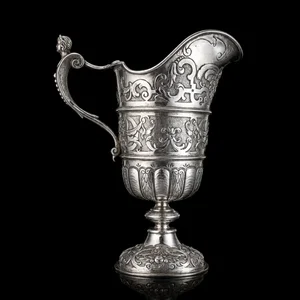
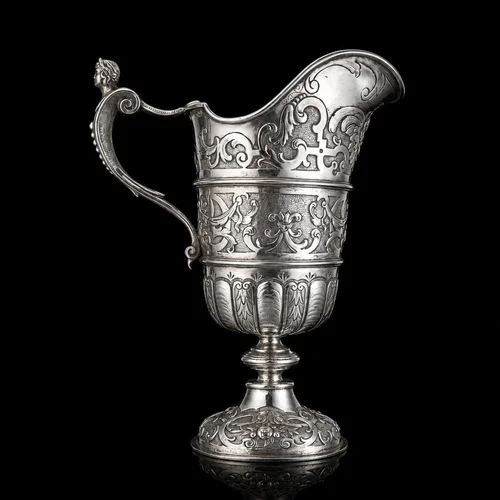
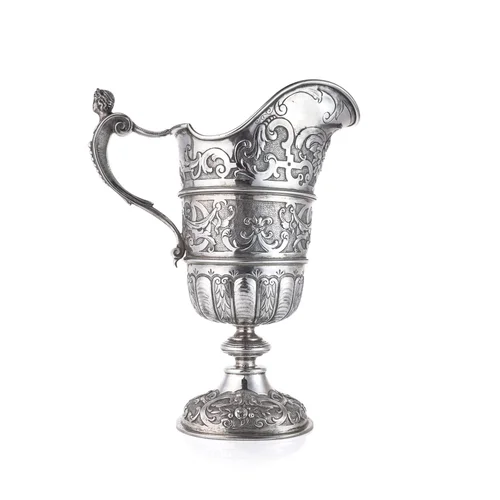 Hanau Silver Presentation Ewer, George III Revival, Late 19th Century£3,950
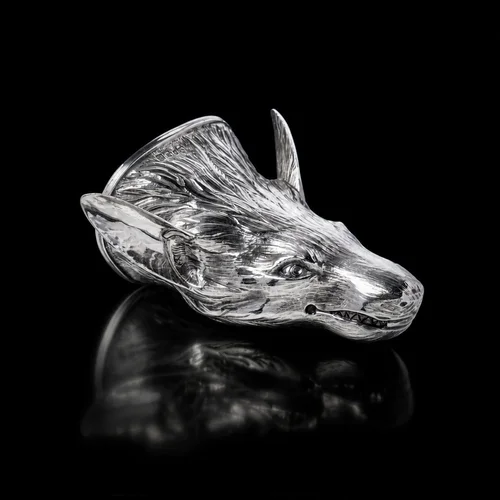
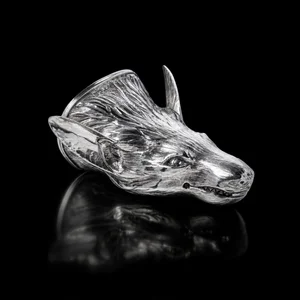
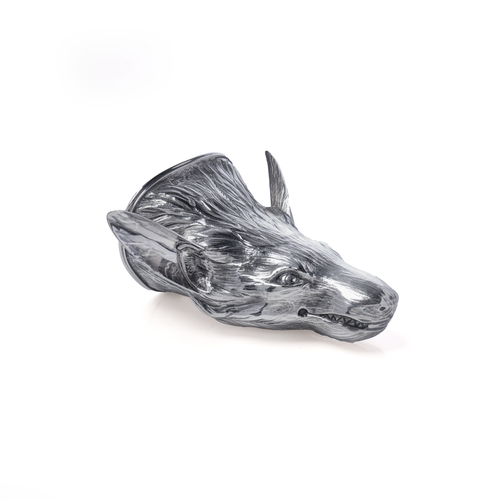 George III Silver Stirrup Cup by Henry Tudor & Thomas Leader, Sheffield 1807£8,450
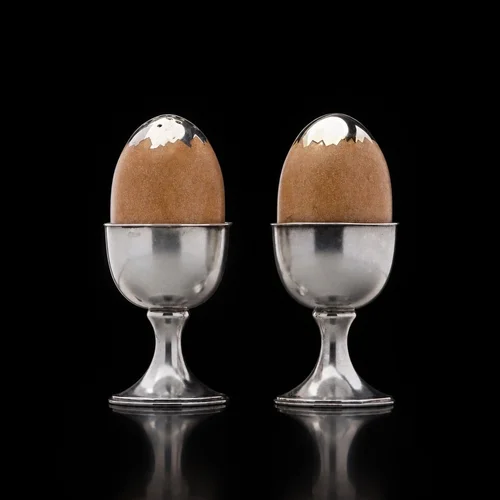
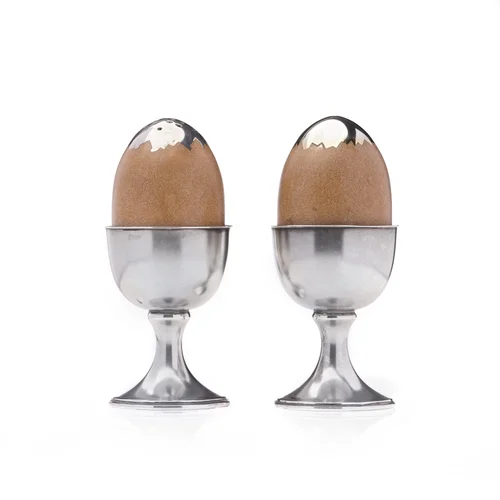 Anthony Gordon Elson Sterling Silver Salt & Pepper Shakers£2,500
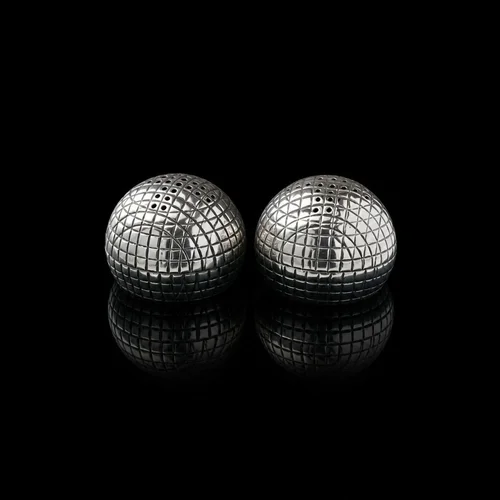
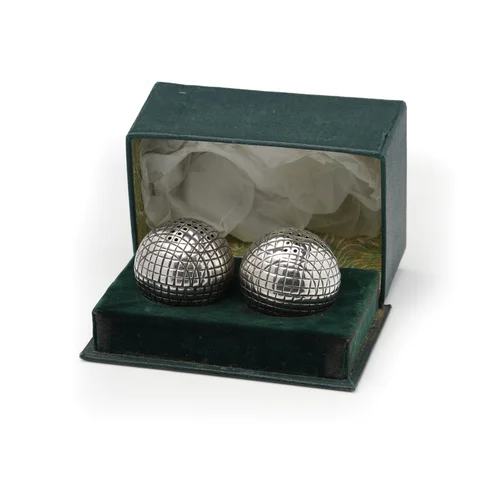 Antique Golf ball Silver Salt and Pepper Shakers, London, 1893£995
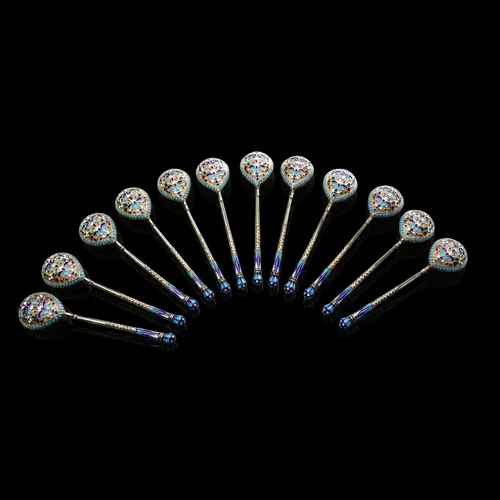
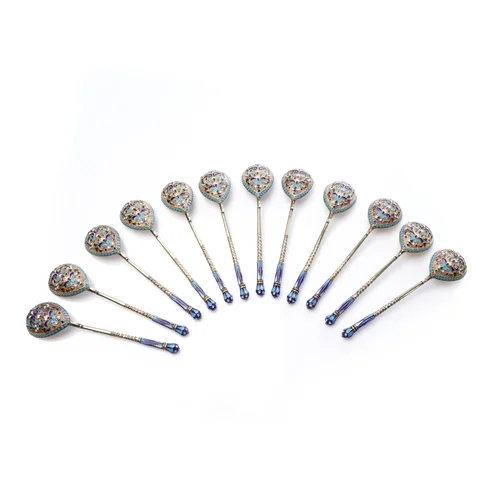 Antique Russian Set of 12 Cloisonné Enamel and Silver Spoons£1,950
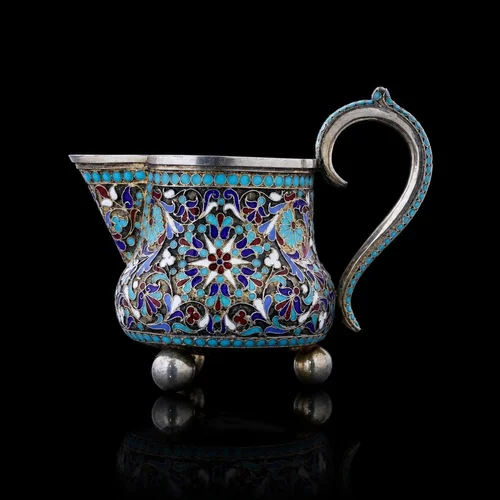
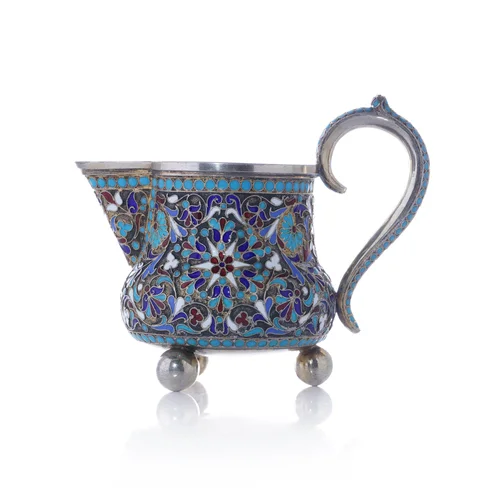 Antique Russian Cloisonné Enamel and Silver Gilt Milk Jug£1,950
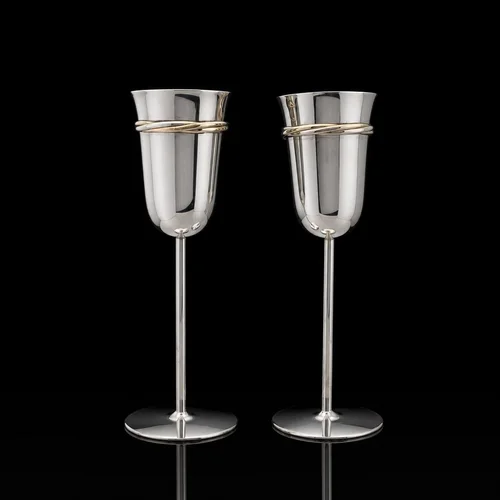
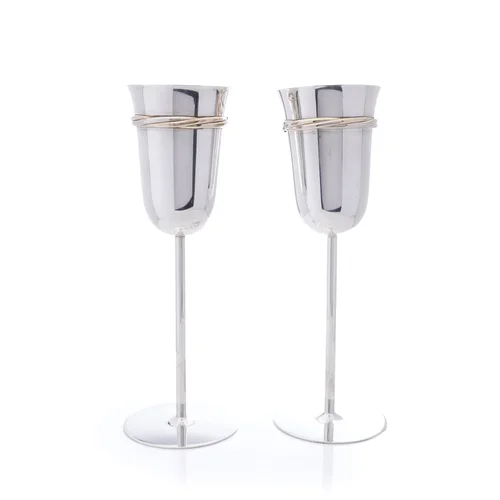 Cartier Vintage Sterling Silver Trinity-Style Pair of Champagne Flutes£1,850
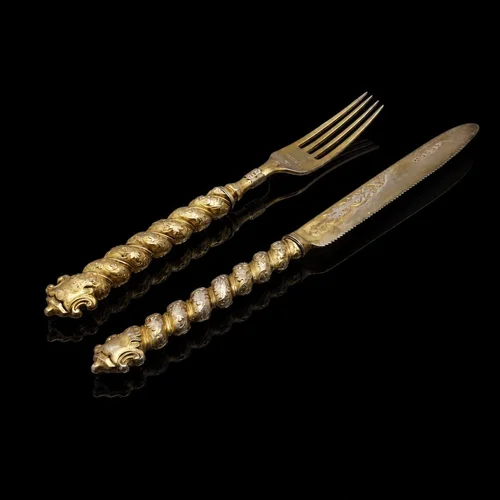
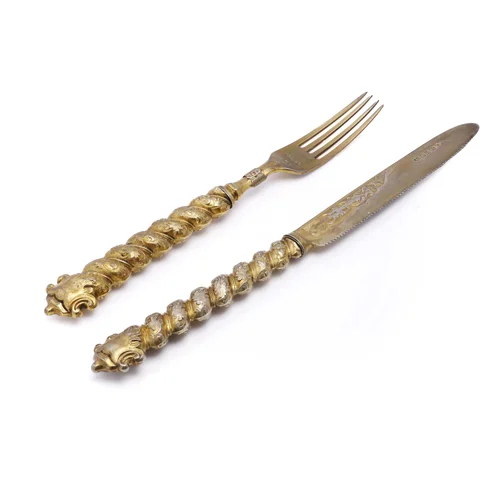 Aaron Hatfield & Sons. silver gilt cutlery set, 1851£595
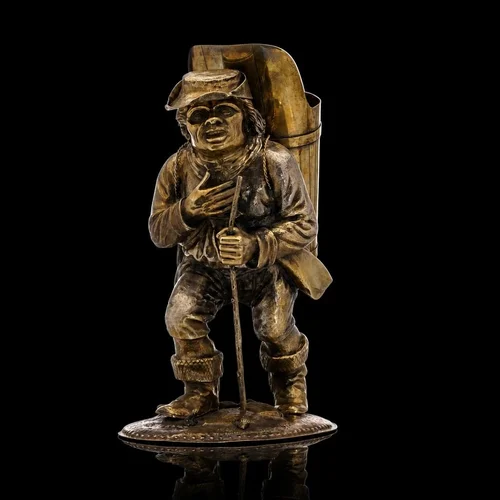
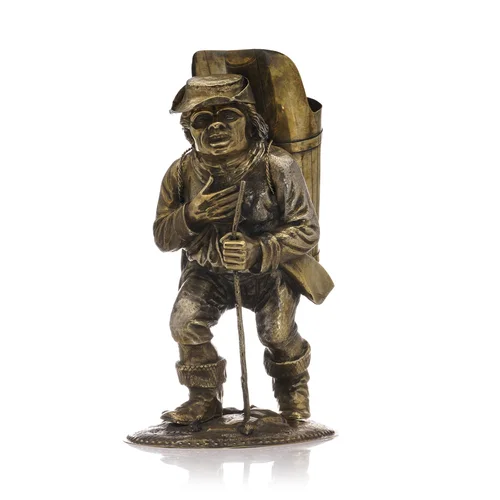 Antique 18th century silver gilt drinking cup, Germany£8,950
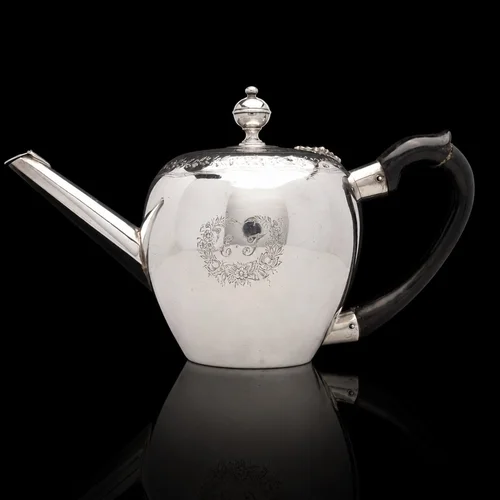
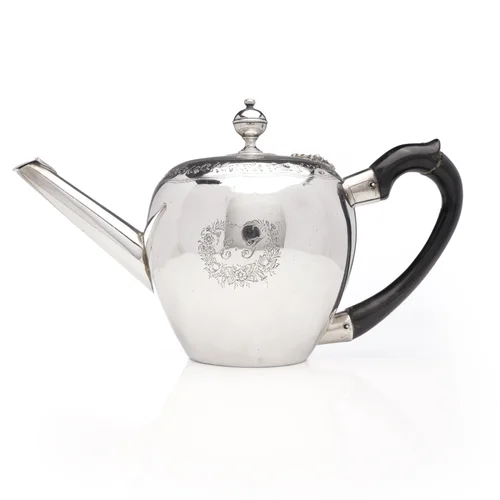 Georgian sterling silver bachelor bullet teapot, 1799£3,400
Recently sold
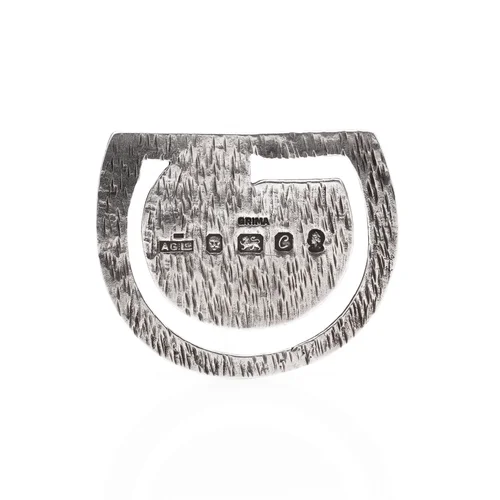 Andrew Grima vintage sterling silver money clip/book dividerSold
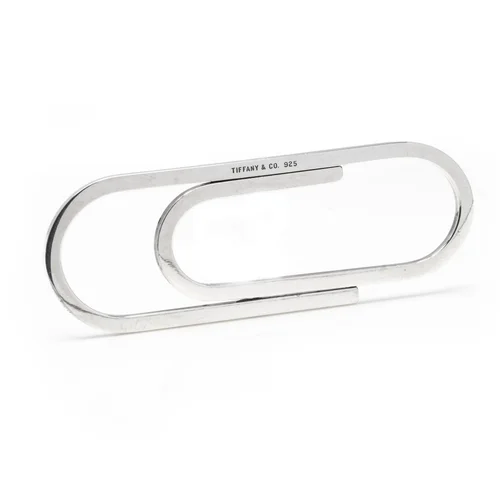 Tiffany & Co. 925 silver money clipSold
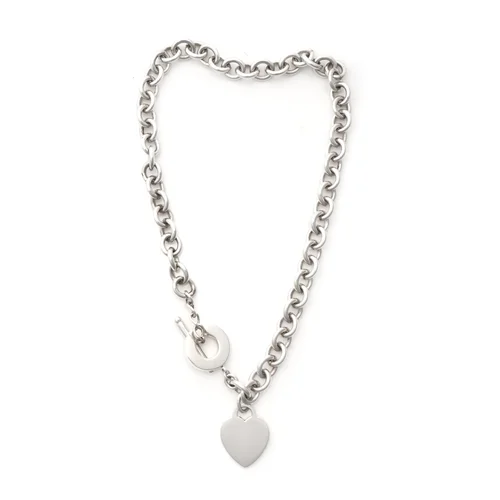 Tiffany & Co. sterling 925 silver chain necklaceSold
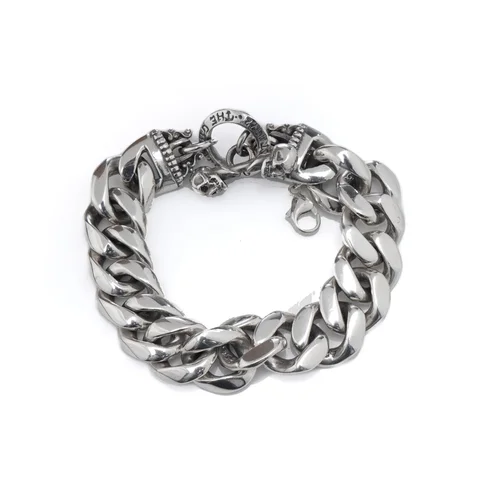 The Great Frog sterling silver 925 thick link braceletSold
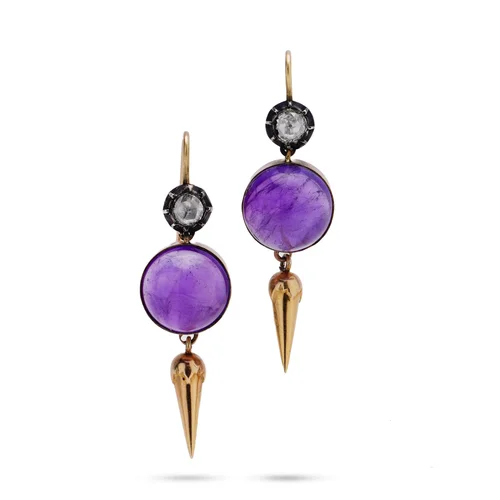 Antique Victorian 15KT gold and silver cabochon amethysts drop earringsSold
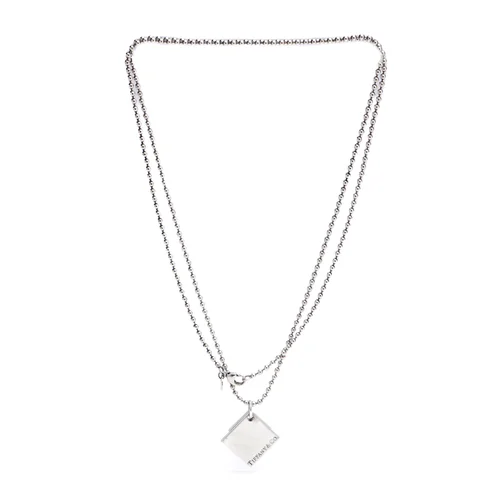 Tiffany & Co. 925 sterling silver chain necklace with two square pendantsSold
What counts as tableware
Tableware covers silver made for eating, drinking and serving: flatware and cutlery, tea and coffee services, jugs, cups, salts, cruets, sauce boats and trays. Much of it was made in sets, and complete or matched sets are harder to find than single pieces, because services were often divided between heirs.
Georgian and Victorian tea silver
Tea drinking spread through Georgian Britain, and silver teapots changed shape with fashion. Early 18th-century pots are pear or bullet shaped; later Georgian pots are oval, drum or boat shaped, often with bright-cut engraving. A small pot made for one person is called a bachelor teapot. Victorian tea services grew larger and more ornate, with chasing, embossing and revival styles.
Cutlery patterns
English silver flatware is made in named patterns. Old English, Fiddle, Hanoverian, King's and Queen's are the best known, and each has variations such as thread or shell. A matched set shares the same pattern and ideally the same maker and date. Silver gilt cutlery was made for dessert and fruit courses.
Marks and makers
British tableware is fully hallmarked, often on every piece, so the maker, town and year can be read. Look for marks on the base of teapots, the back of cutlery stems, and the rims of cups. Lids and detachable parts should carry matching marks; a mismatched lid is a later replacement.
What to check
On teapots, check the hinge, the handle (often ivory or wood insulators) and the spout join for splits. On cutlery, look at fork tines for wear and spoon bowls for thinning. Check that engraved crests have not been removed.
Silver gilt
Silver gilt, sometimes called vermeil, is silver coated with a thin layer of gold. It was used for dessert cutlery, salt spoons and the insides of cups and salts, because gold resists the staining caused by salt, egg and fruit acids. Check gilding for rubbed patches where the silver shows through.
Questions
Can you put sterling silver cutlery in the dishwasher?
It is not recommended. Detergents can stain and pit silver, and knives with filled or bonded handles can loosen in the heat. Washing by hand in warm soapy water and drying straight away keeps silver cutlery in good condition.
Can you use sterling silver cutlery every day?
Yes. Silver cutlery was made to be used, and regular use and washing gives it a soft, even patina and reduces tarnish. Wash it promptly after contact with eggs, salt or vinegar, which tarnish silver quickly.
How do you clean antique silver cutlery?
Wash in warm water with a mild washing-up liquid, dry with a soft cloth, and remove tarnish with a silver cloth or a gentle polish. Avoid silver dips and abrasive cleaners, which remove metal and soften the detail of the pattern.
How can you tell if silverware is sterling or plated?
Sterling carries a hallmark or a 925 or "sterling" stamp. Plated pieces are marked EPNS, EP, A1 or with maker's names and pseudo-marks, and often show copper or yellow metal where the plating has worn on edges and high points.