Antique English Silver
Antique and vintage English silver from the Georgian period to the late 20th century: Georgian teapots and stirrup cups, Victorian silver gilt cutlery, card cases and novelty pieces, Edwardian silver gilt clocks, work by Asprey, Liberty and Stuart Devlin, and Victorian silver crowns. Each listing reads the hallmarks for you: maker, standard, assay office and year.
5.0 by our buyers on Google · 4,000+ customers
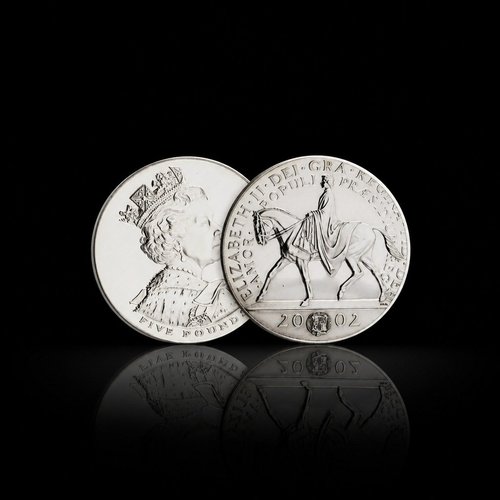
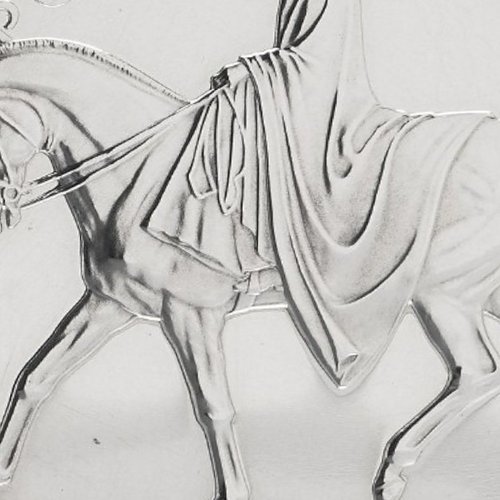 Golden Jubilee 2002 Five Pound Crown, Queen Elizabeth II Equestrian Portrait£195
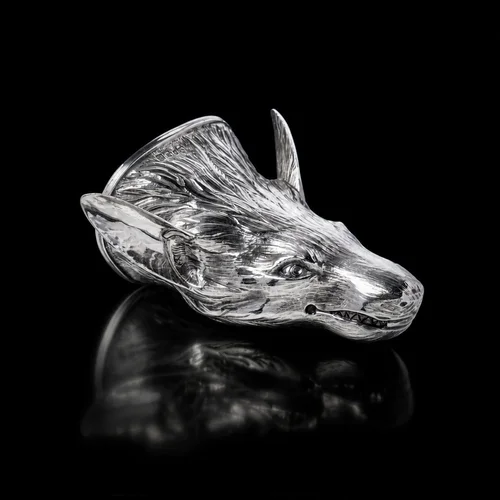
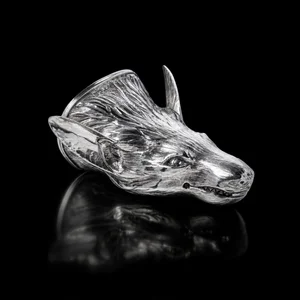
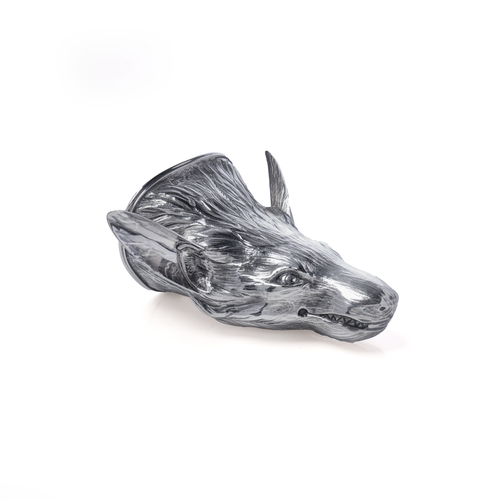 George III Silver Stirrup Cup by Henry Tudor & Thomas Leader, Sheffield 1807£8,450
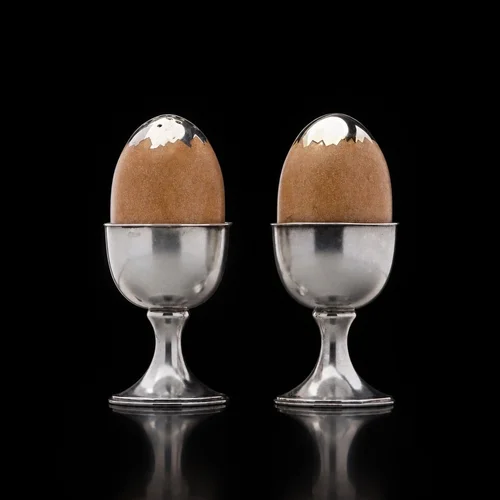
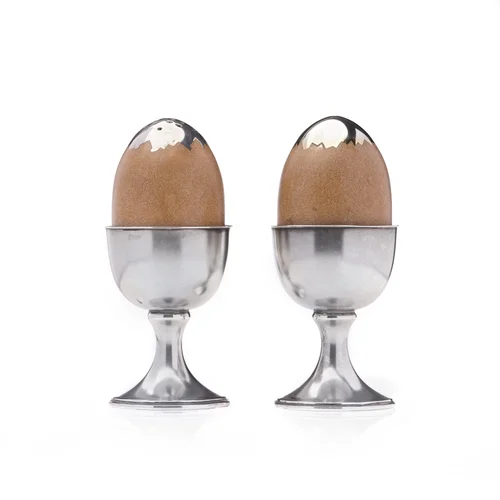 Anthony Gordon Elson Sterling Silver Salt & Pepper Shakers£2,500
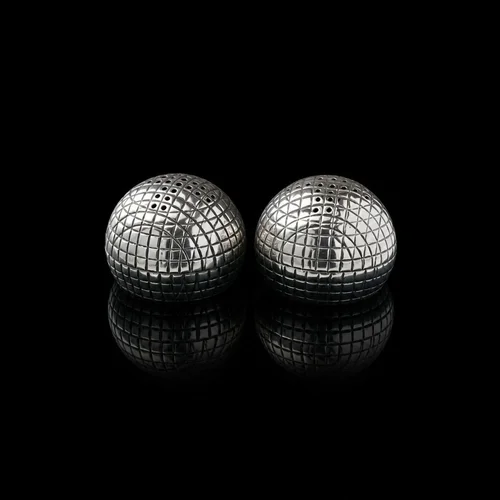
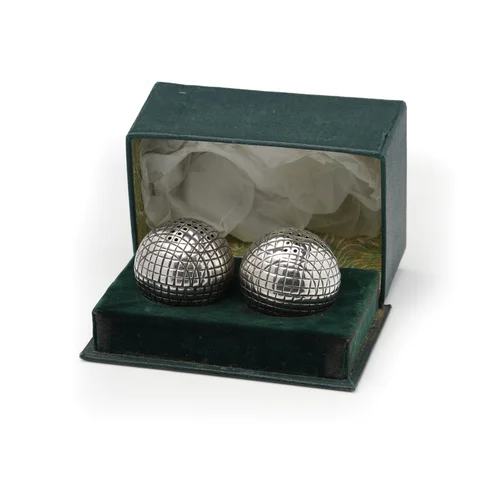 Antique Golf ball Silver Salt and Pepper Shakers, London, 1893£995
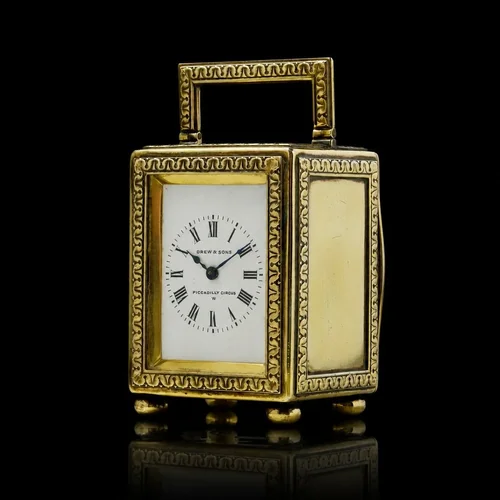
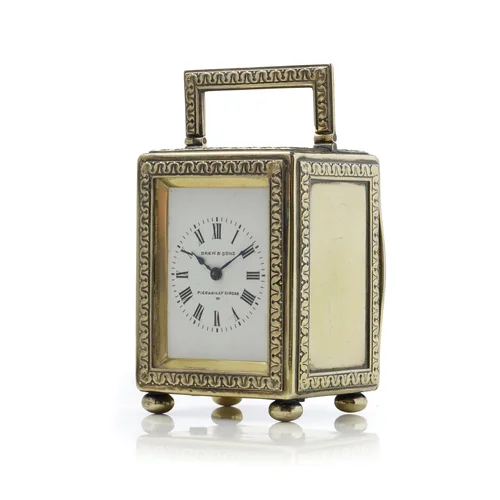 Edwardian Silver-Gilt Carriage Clock by Drew & Sons, London, 1913£1,250
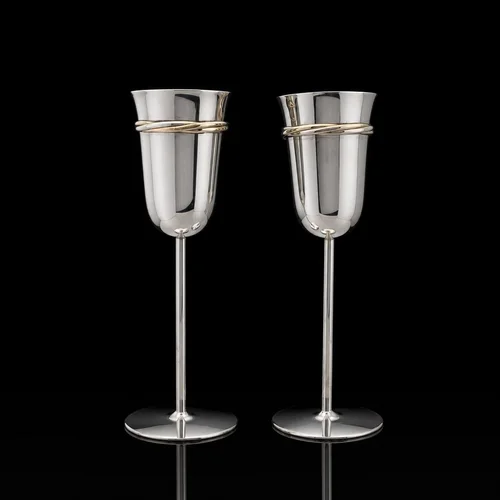
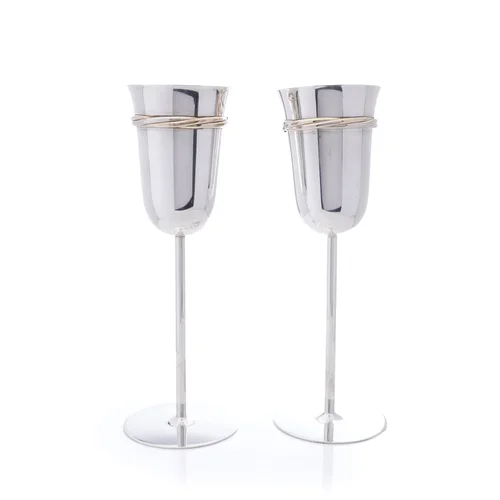 Cartier Vintage Sterling Silver Trinity-Style Pair of Champagne Flutes£1,850
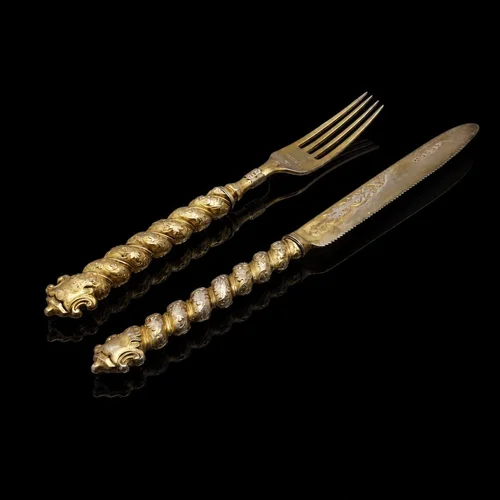
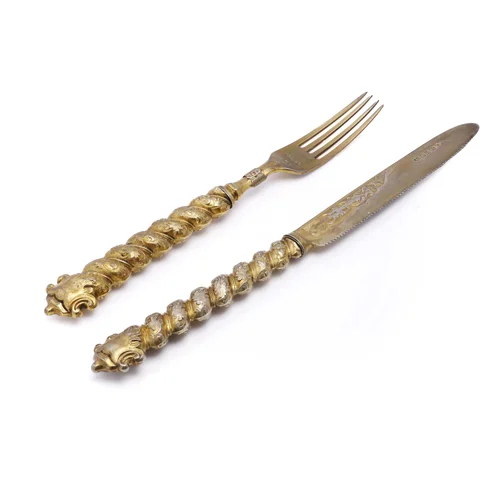 Aaron Hatfield & Sons. silver gilt cutlery set, 1851£595
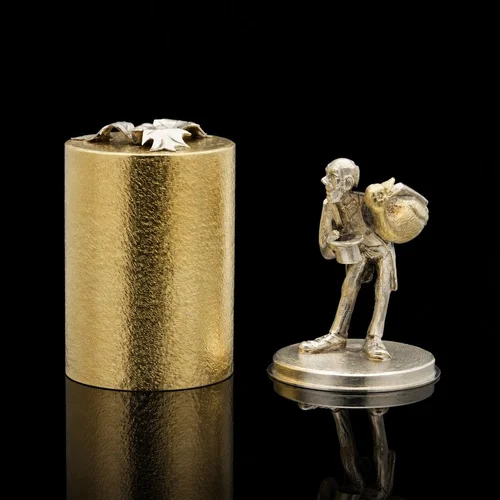
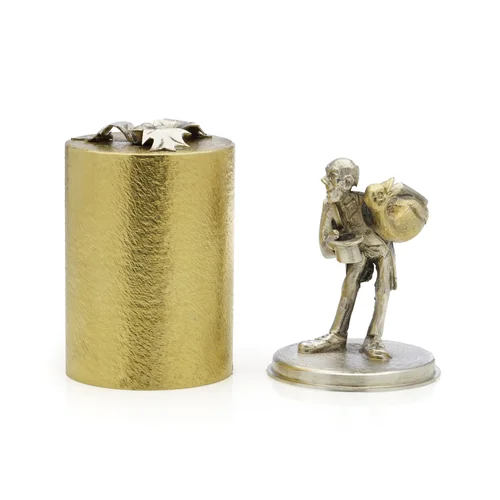 Stuart Devlin vintage limited edition silver gilt Surprise Gift£1,250
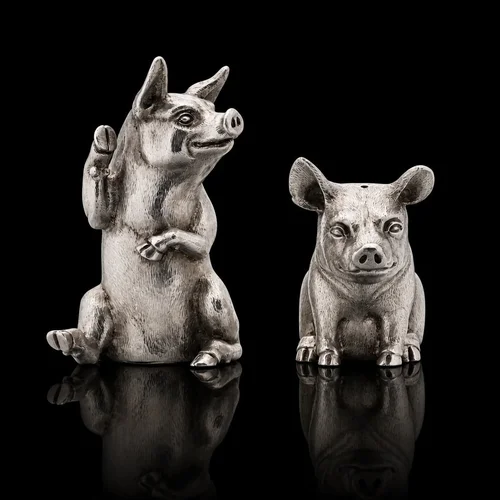
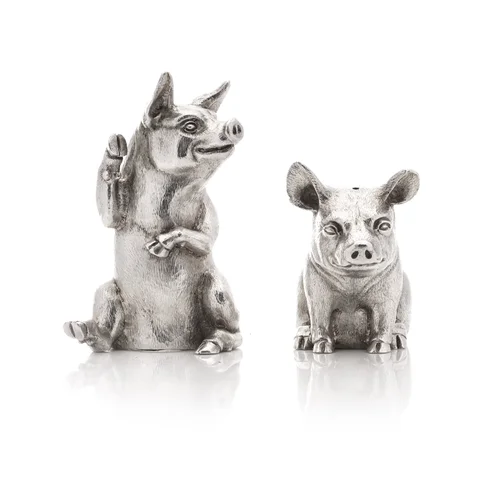 Novelty salt and pepper shakers in a shape of a pigs£2,780
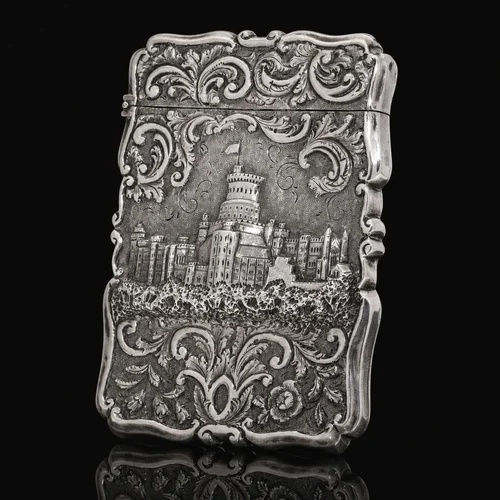
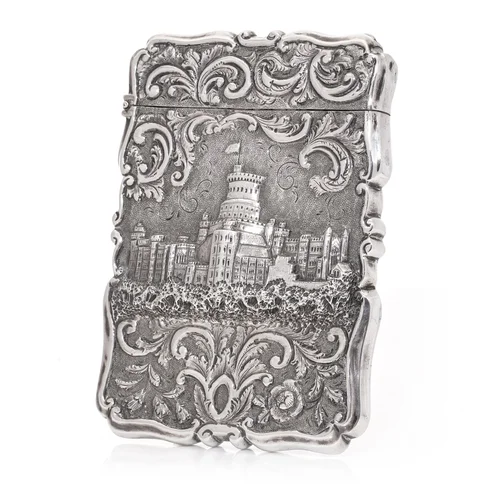 Victorian sterling silver embossed card case, by Edward Thomason, featuring Windsor castle, 1851£1,980
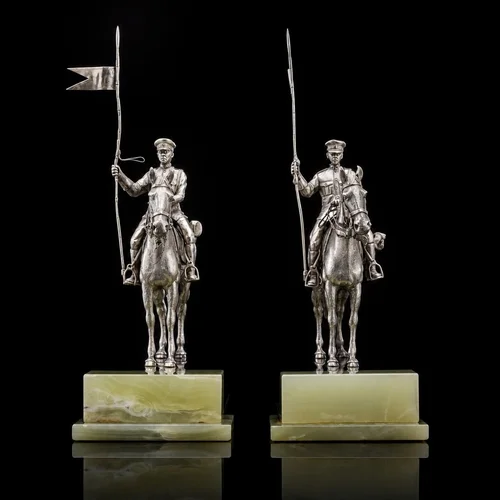
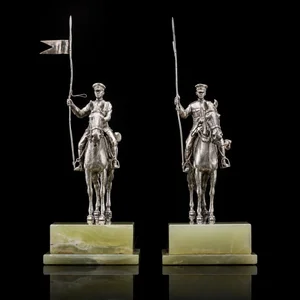
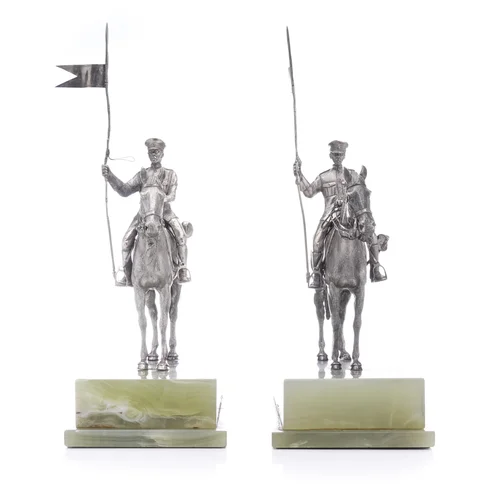 Asprey & Co. pair of horse-riding solid silver figurines on marble bases£9,850
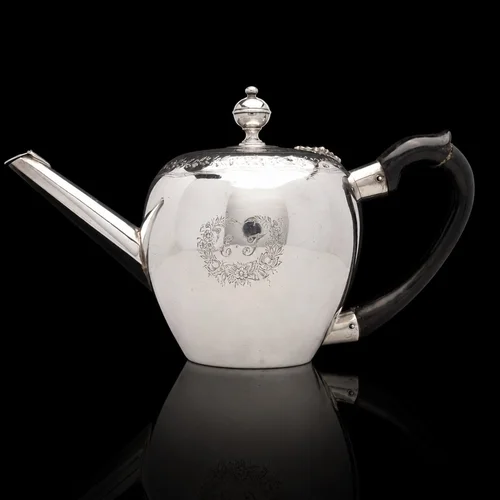
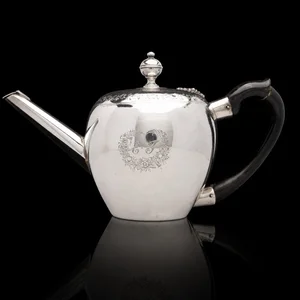
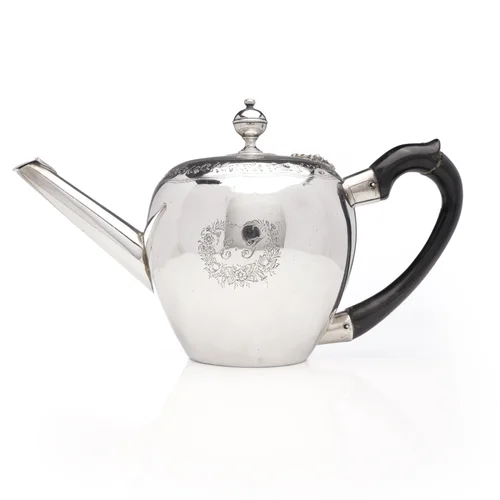 Georgian sterling silver bachelor bullet teapot, 1799£3,400
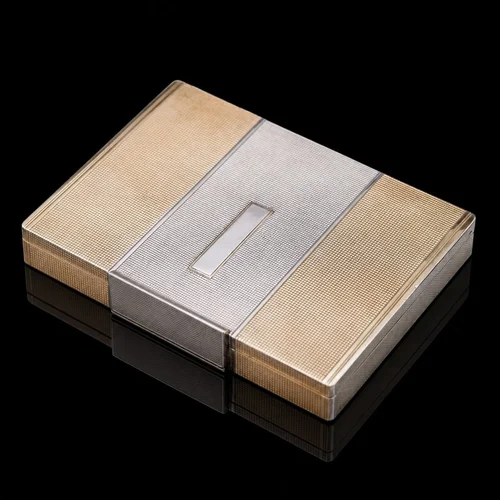
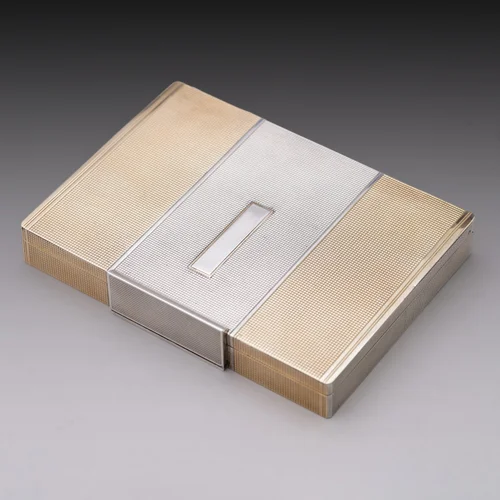 A vintage silver-gilt compact case by Asprey, London, 1939£2,500
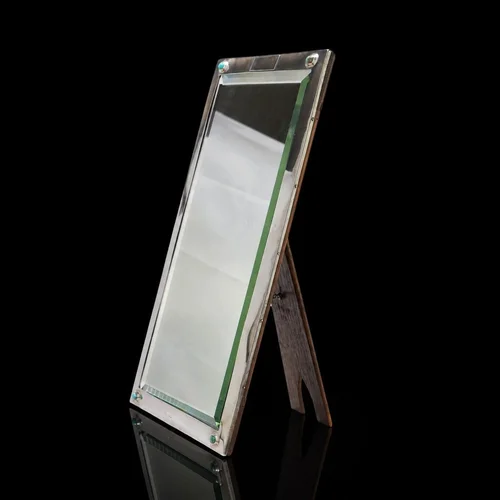
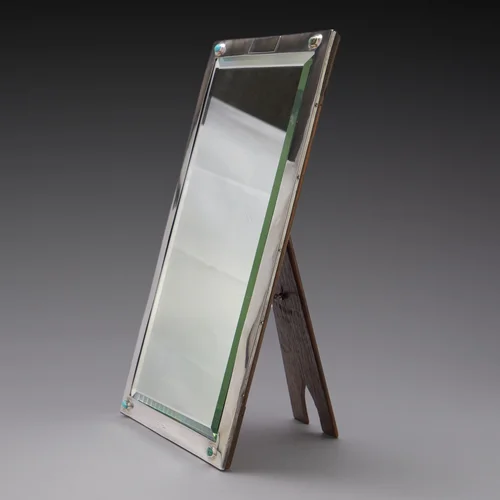 Liberty & Co silver and turquoise table mirror with a wooden back£2,500
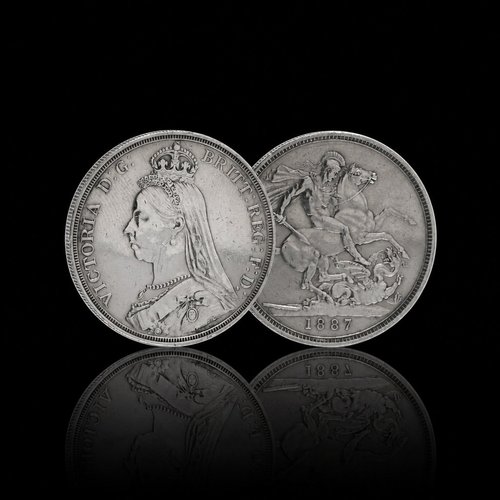
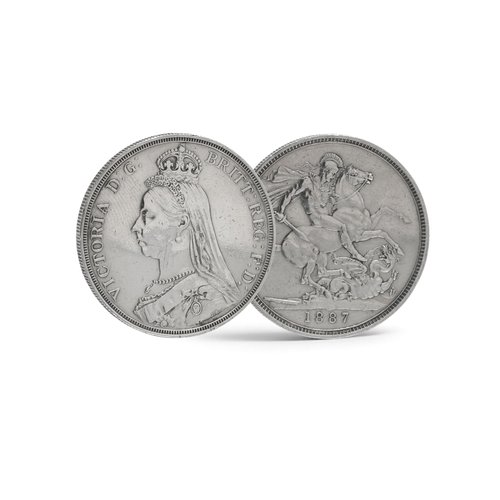 Queen Victoria Jubilee Head Silver Crown 1887, First Year British Sterling Silver Coin£195
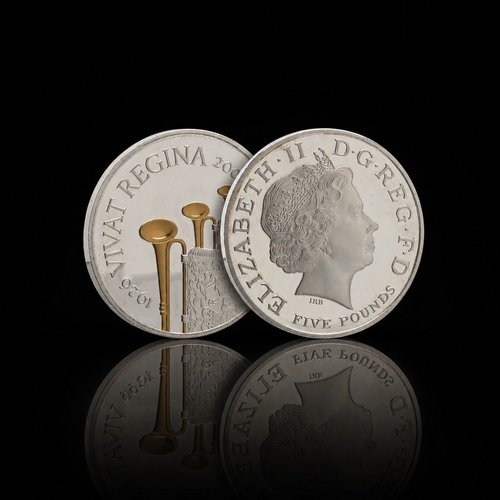
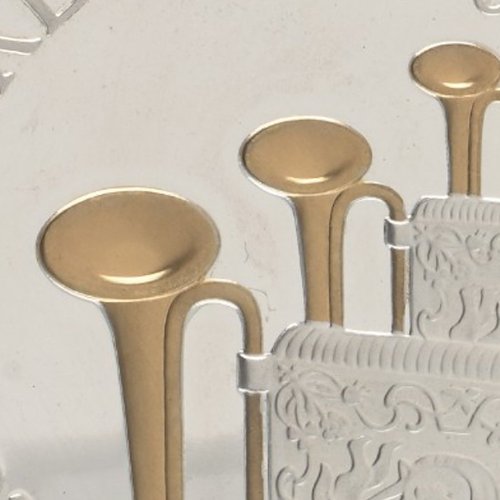 Queen Elizabeth II 80th Birthday 2006 Silver Piedfort Five Pounds, Gold Plated Proof£595
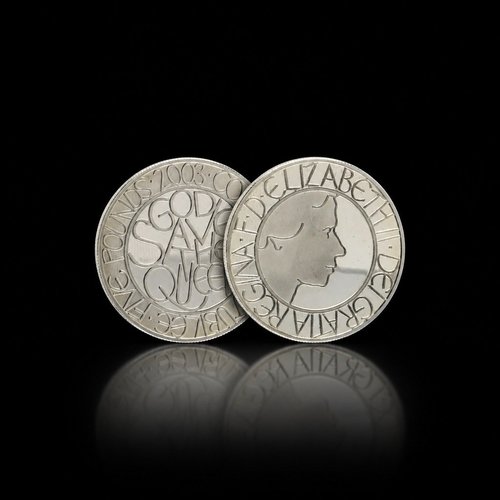
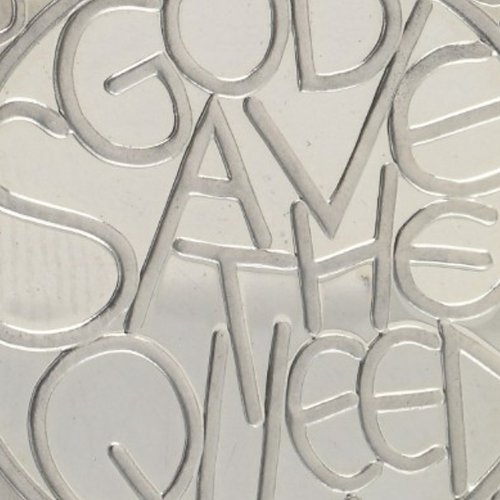 Coronation Jubilee 2003 Five Pound Crown, Queen Elizabeth II Golden Jubilee of Coronation£195
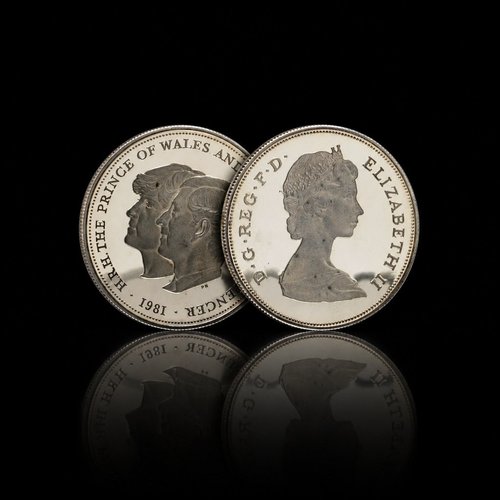
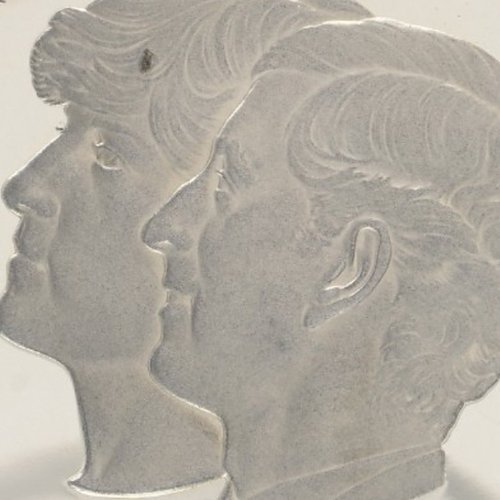 Charles and Diana Royal Wedding Crown 1981, Prince of Wales Commemorative Coin£195
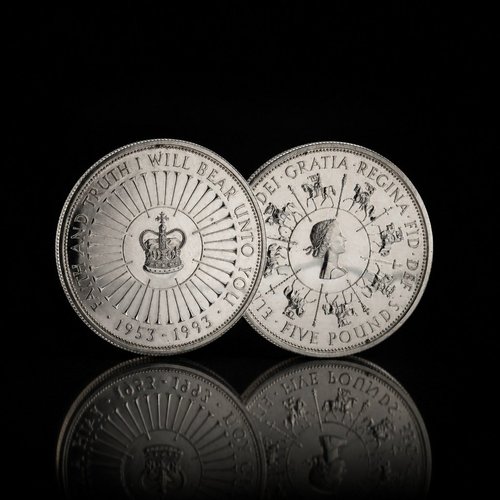
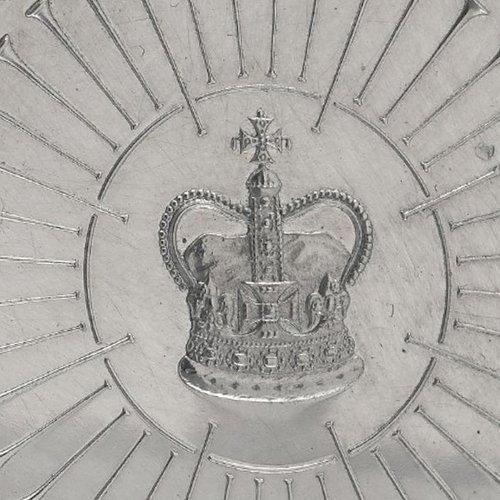 Coronation 40th Anniversary 1993 Five Pound Crown, Queen Elizabeth II£195
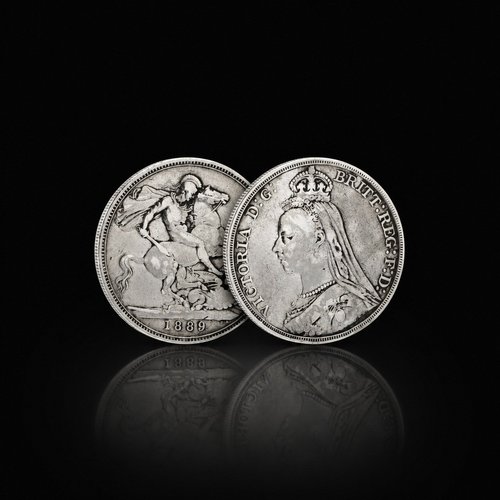
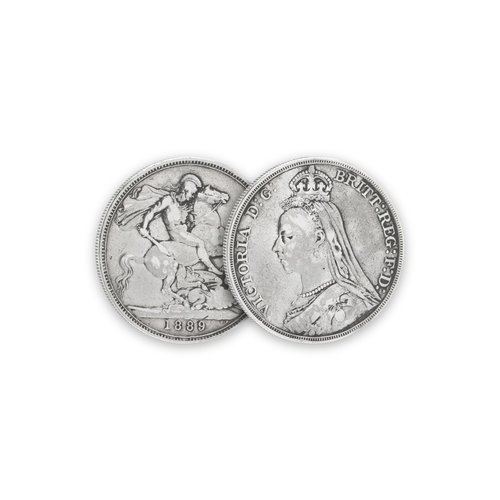 Queen Victoria Jubilee Head Silver Crown 1889, British Sterling Silver Coin£195
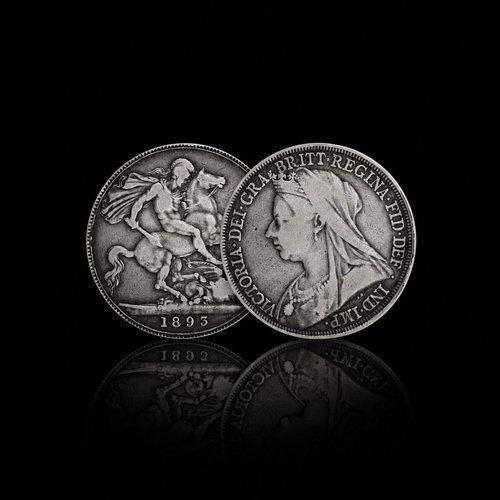
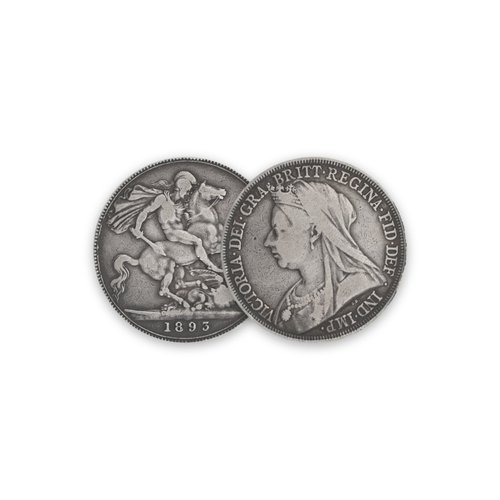 Queen Victoria Old Head Silver Crown 1893, First Year British Sterling Silver Coin£450
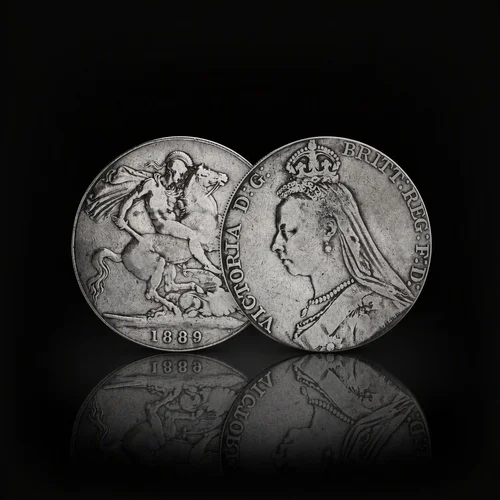
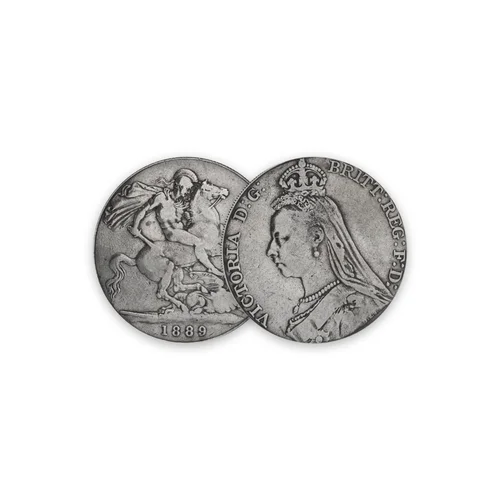 Queen Victoria Jubilee Head Silver Crown 1889, British Sterling Silver Coin£195
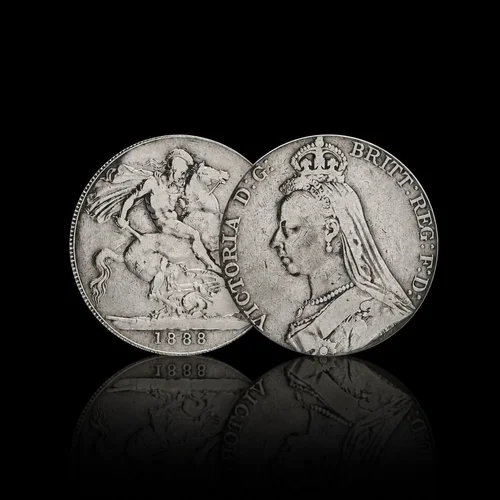
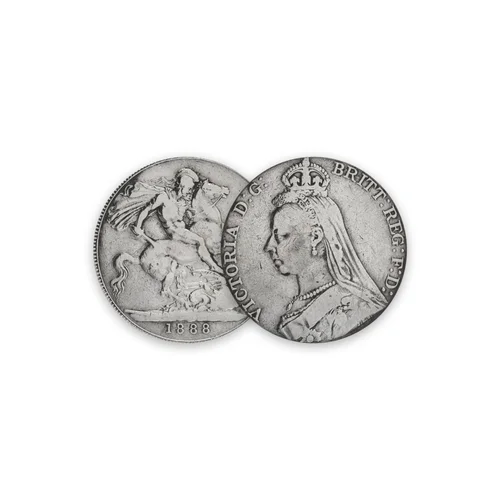 Queen Victoria Jubilee Head Silver Crown 1888, British Sterling Silver Coin£195
Recently sold
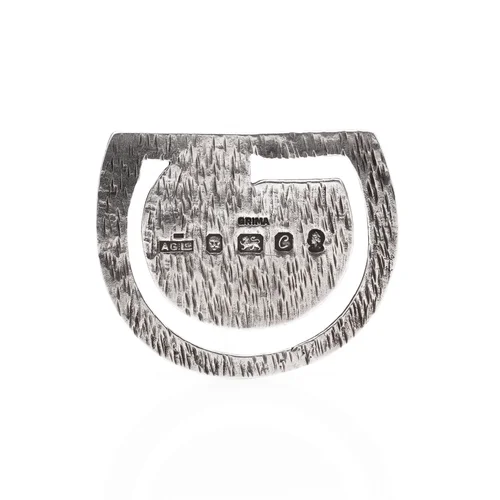 Andrew Grima vintage sterling silver money clip/book dividerSold
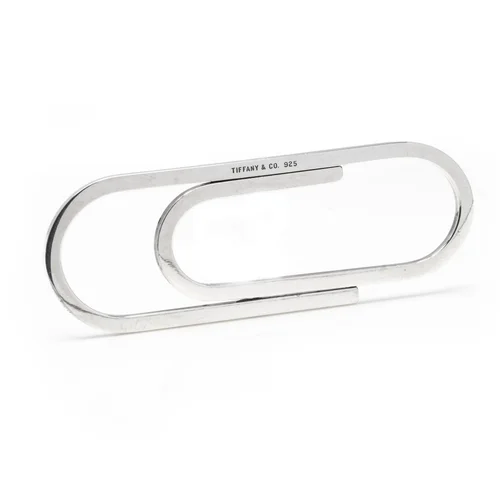 Tiffany & Co. 925 silver money clipSold
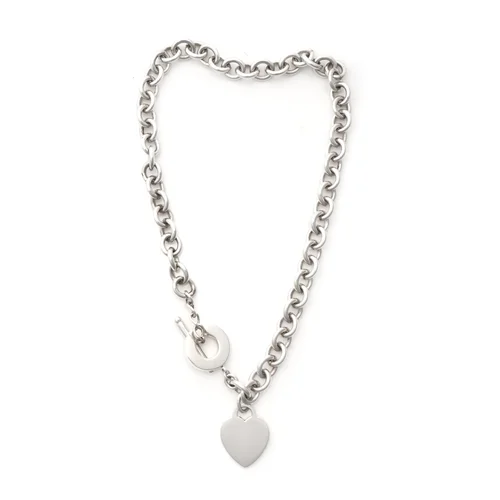 Tiffany & Co. sterling 925 silver chain necklaceSold
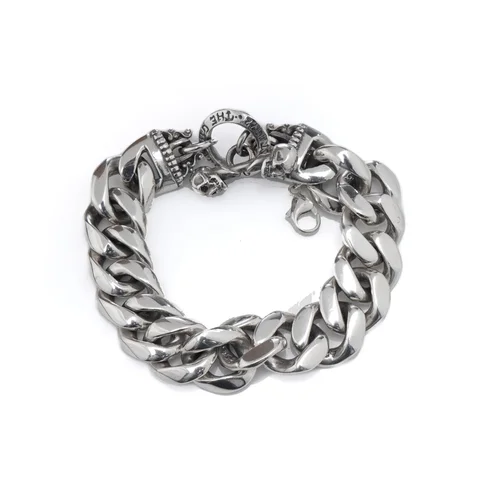 The Great Frog sterling silver 925 thick link braceletSold
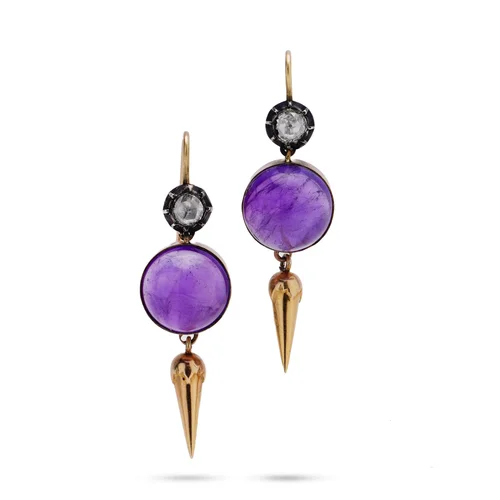 Antique Victorian 15KT gold and silver cabochon amethysts drop earringsSold
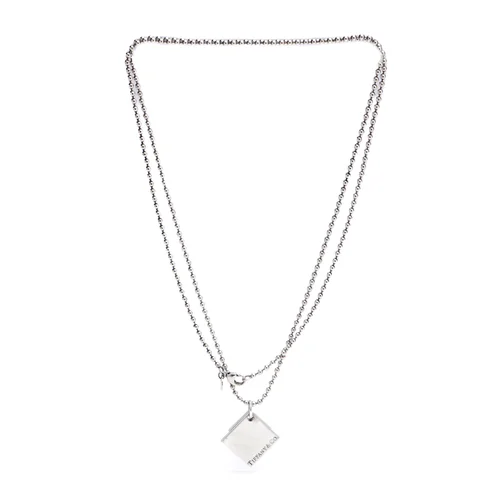 Tiffany & Co. 925 sterling silver chain necklace with two square pendantsSold
Why English silver is so easy to date
England has one of the oldest consumer protection systems in the world. Since the 14th century, silver has been tested and marked at an assay office, and since 1478 London has used a date letter that changes every year. A full hallmark gives the maker, the standard, the town and the year, so most English silver can be dated to a single year.
The parts of an English hallmark
The lion passant shows sterling standard. The town mark shows the assay office: a leopard's head for London, an anchor for Birmingham, a crown (later a rose) for Sheffield, three wheatsheaves and a sword for Chester, a castle for Exeter and three castles for Newcastle. The date letter changes yearly in a shield of set shape. From 1784 to 1890 a sovereign's head showed that duty had been paid.
Georgian silver (1714 to 1837)
Georgian silver ranges from plain Queen Anne and early Georgian forms to Rococo chasing in the mid century and Neoclassical urns and bright-cut engraving from the 1770s. Makers such as Paul de Lamerie, Hester Bateman and Paul Storr worked in this period. Stirrup cups, made for a drink before the hunt, are a Georgian speciality.
Victorian and later silver
Victorian silver is varied and often elaborate, with revival styles, embossing and novelty forms such as animal and sporting cruets. The Arts and Crafts movement and Liberty & Co. brought hand-hammered surfaces around 1900. After the war, designers such as Stuart Devlin, Gerald Benney and Robert Welch made modern silver with textured and gilt finishes.
Irish and Scottish silver
Dublin silver carries a crowned harp and Hibernia; Edinburgh silver a castle and thistle; Glasgow a tree, fish and bell. They follow the same principle of maker, standard, town and date.
Duty dodgers
In the 18th century some silversmiths avoided assay duty by cutting the hallmarks from a small assayed piece and soldering them into a larger unassayed one. These pieces, known as duty dodgers, are worth checking for a faint solder line around the marks.
Questions
How do you read English silver hallmarks?
Look for four marks: the maker's initials, the lion passant for sterling, the town mark of the assay office, and a date letter in a shaped shield. Match the town and the letter, including its font and shield shape, against that office's date letter table to find the year.
Is English silver the same as sterling silver?
Most English silver is sterling, 92.5% pure, shown by the lion passant. Some pieces are Britannia standard, 95.8%, shown by a figure of Britannia and a lion's head erased; this standard was compulsory from 1697 to 1720 and optional since.
What does a lion on silver mean?
The lion passant, walking with one paw raised, is the English mark for sterling silver, used since 1544. A lion's head erased with a Britannia figure shows the higher Britannia standard. A lion rampant is the Glasgow, and later Scottish, standard mark.
What is the difference between Georgian and Victorian silver?
Georgian silver (1714 to 1837) tends to be lighter in style, from plain early forms to Rococo and elegant Neoclassical designs. Victorian silver (1837 to 1901) is often heavier and more ornate, with revival styles, embossing and new mass-production methods.