Antique and Vintage Jewellery Boxes
Antique and vintage jewellery boxes made by and for the great jewellers, from Victorian fitted cases to 1970s presentation boxes. Ring, brooch, bracelet, necklace, earring and watch boxes, many with the retailer's name and address in the silk lining. Use one to present an antique jewel as it was first sold, or to complete a signed piece.
5.0 by our buyers on Google · 4,000+ customers
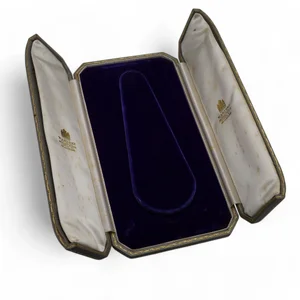
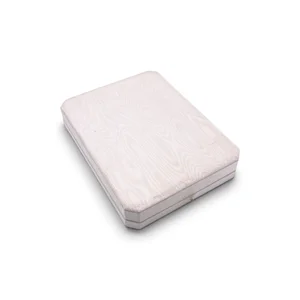
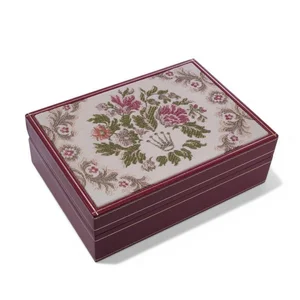
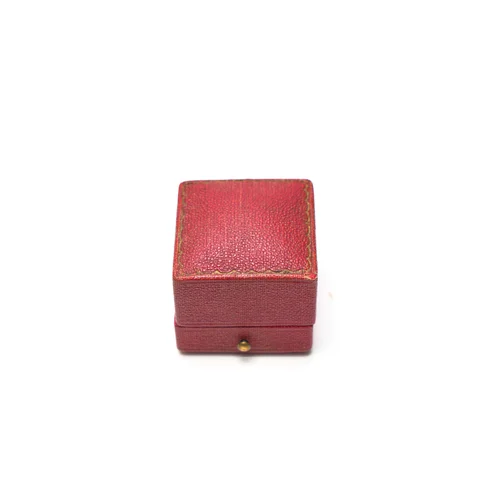
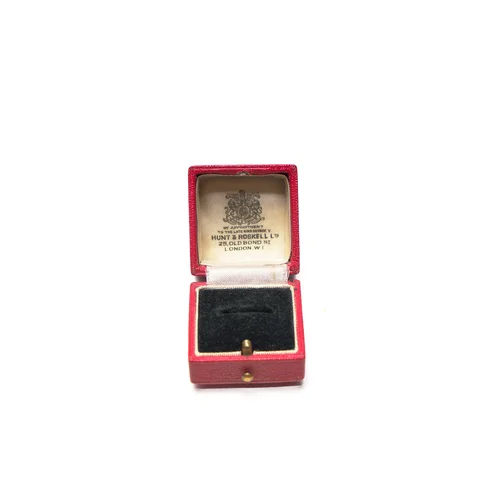 Vintage Hunt & Roskell Old Bond Street Ring Box, Red Leather£165
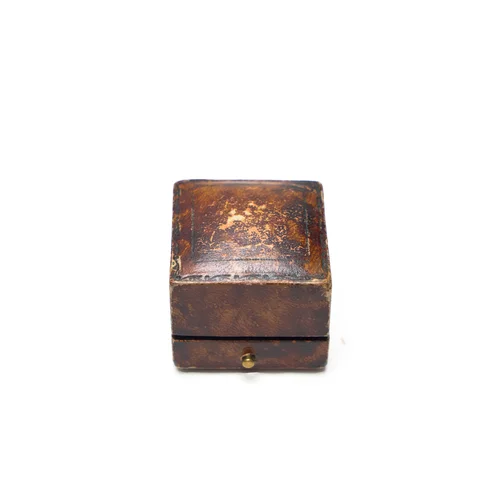
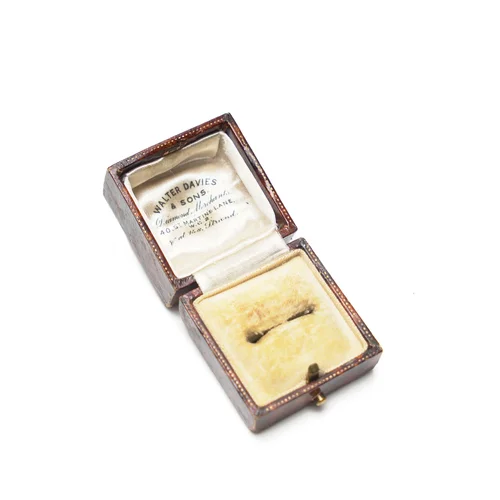 Antique Walter Davies & Sons Diamond Merchants Ring Box, London£165
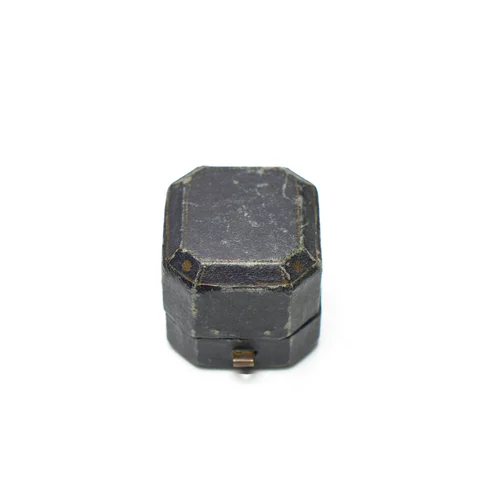
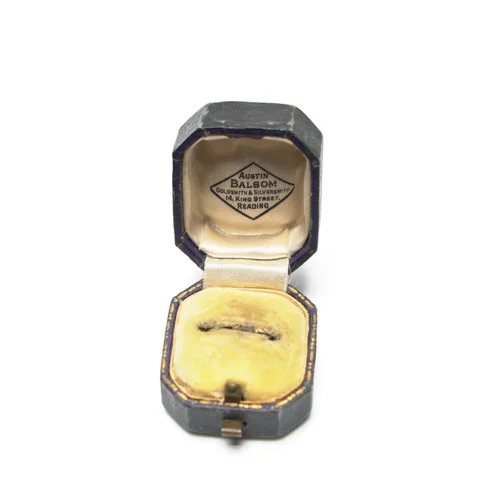 Antique Austin Balsom Ring Box, Reading, Octagonal Grey Leather£165
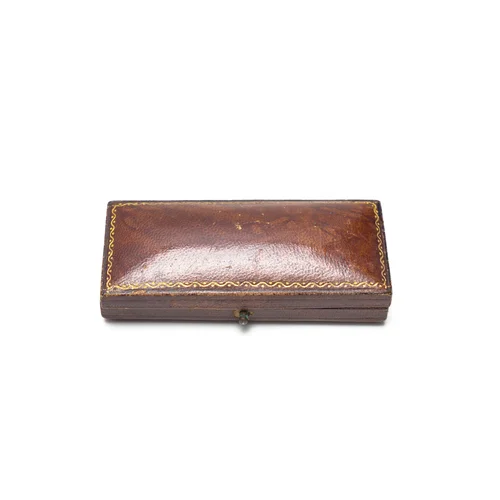
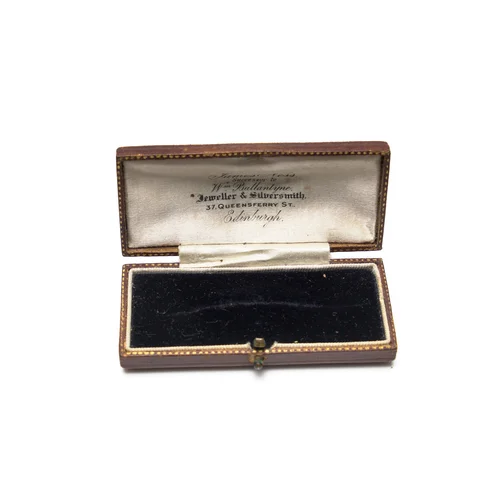 Antique James Ness Edinburgh Brooch Box, Successor to Wm Ballantyne£185
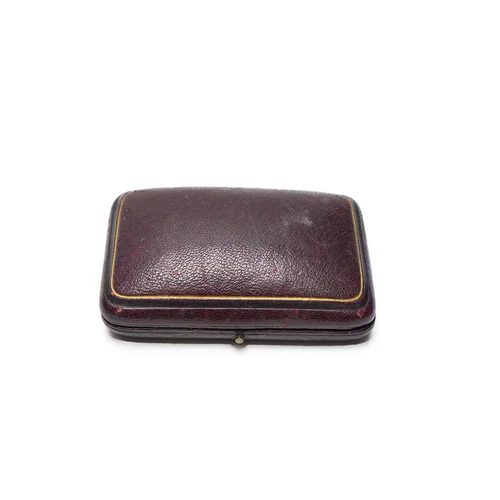
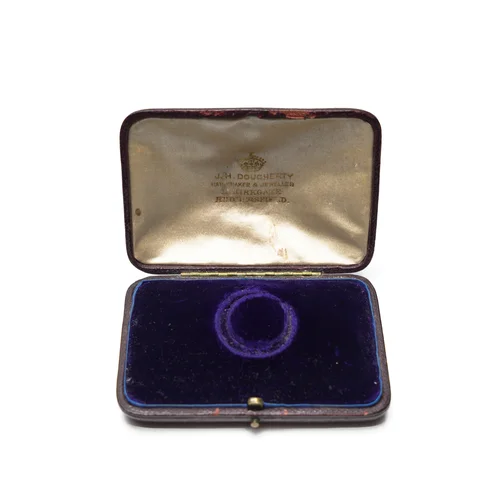 Antique J.H. Dougherty Huddersfield Pendant or Medallion Box£195
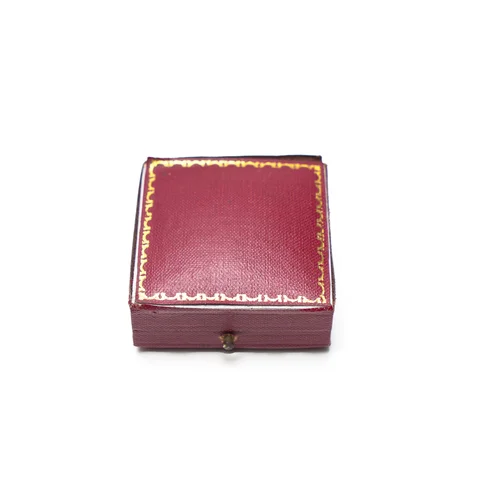
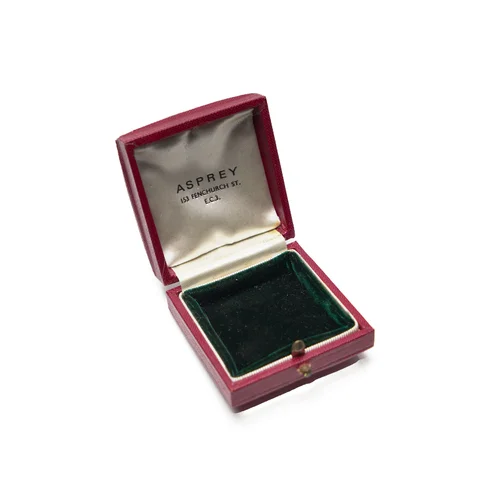 Vintage Asprey Fenchurch Street Square Presentation Box£220
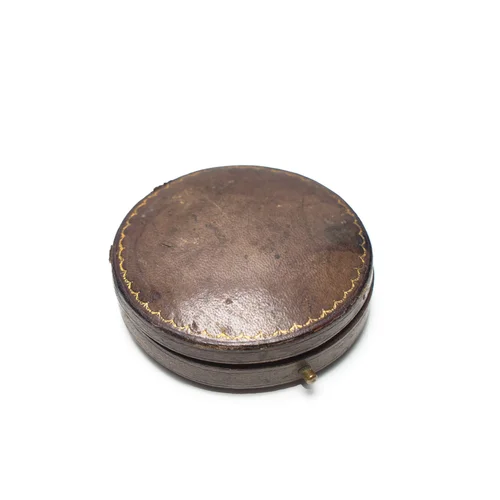
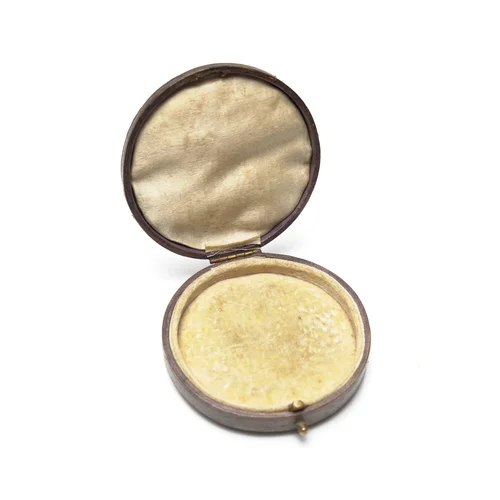 Antique 19th Century Victorian Round Jewellery Box£225
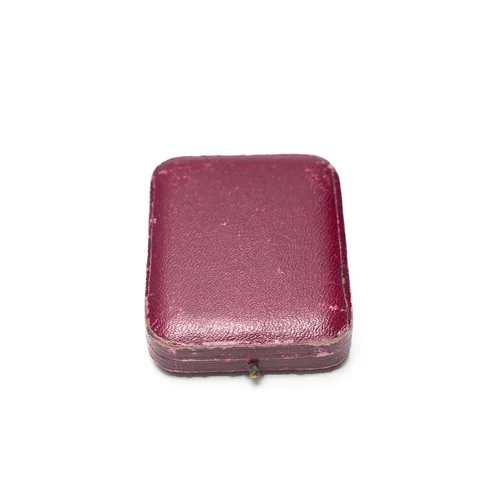
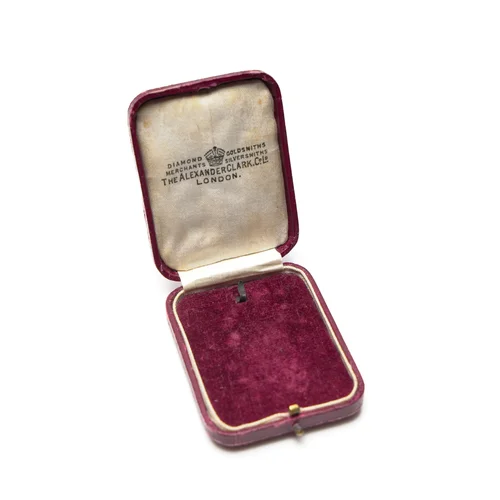 Antique The Alexander Clark Company London Jewellery Box£175
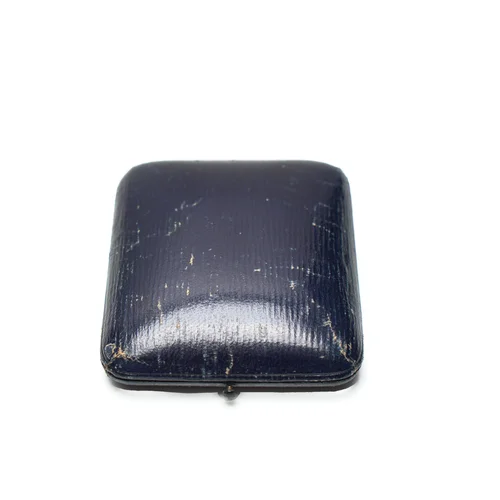
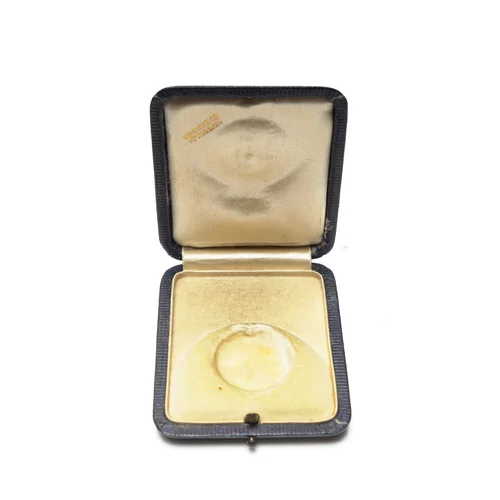 Antique Howard & Co. Fifth Avenue New York Jewellery Box£220
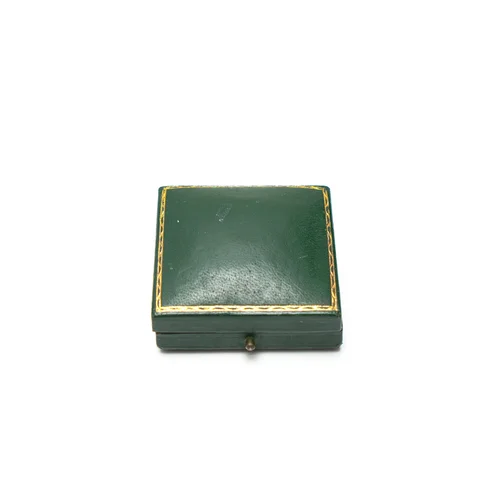
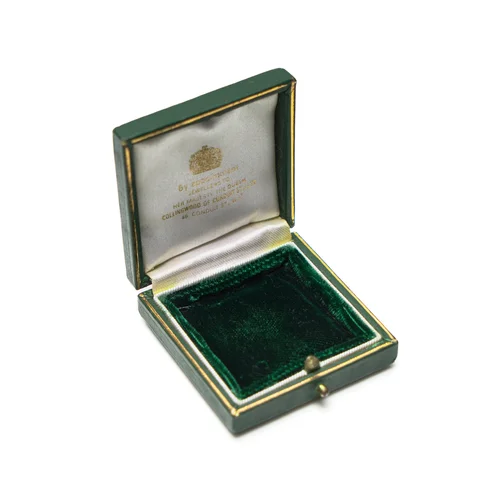 Vintage Collingwood of Conduit Street Jewellery Box, By Appointment to the Queen£225
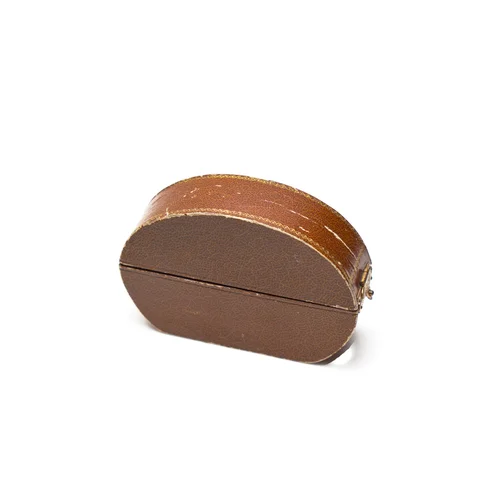
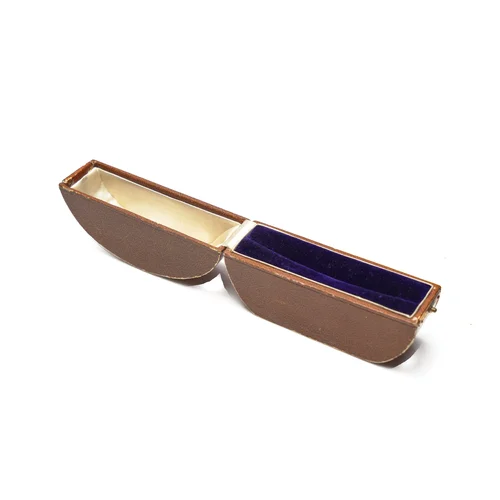 Antique 19th Century Victorian Bracelet or Bangle Box£250
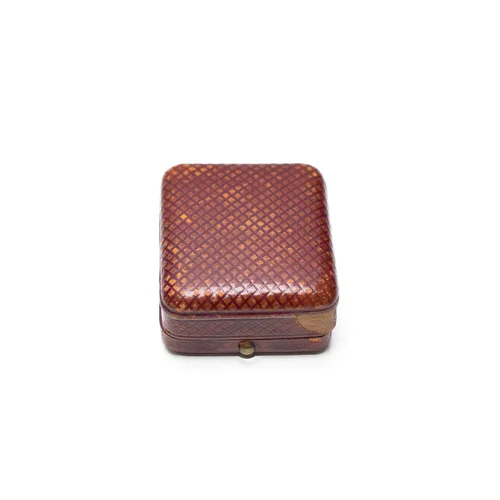
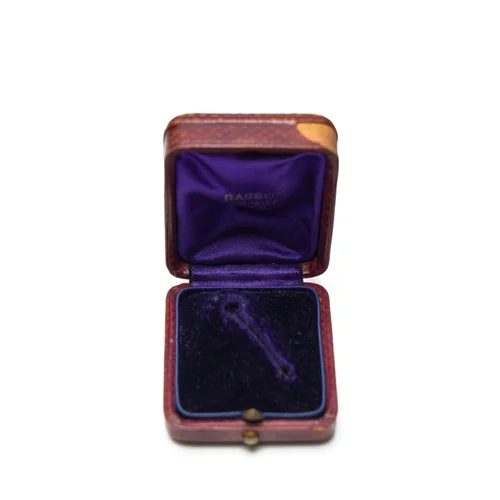 Antique Bassot Brooch Box, Paris, Red Brown Leather£195
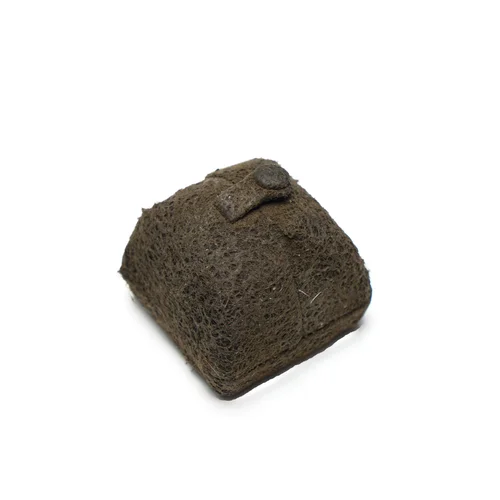
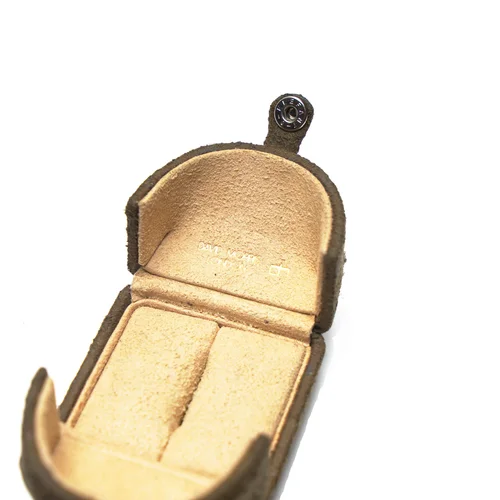 Vintage David Morris Ring Box, London, Brown Suede£235
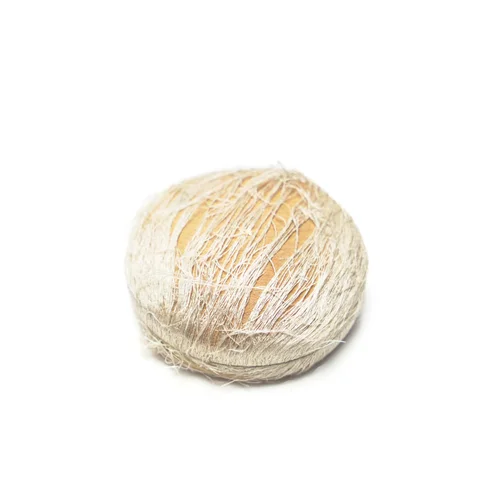
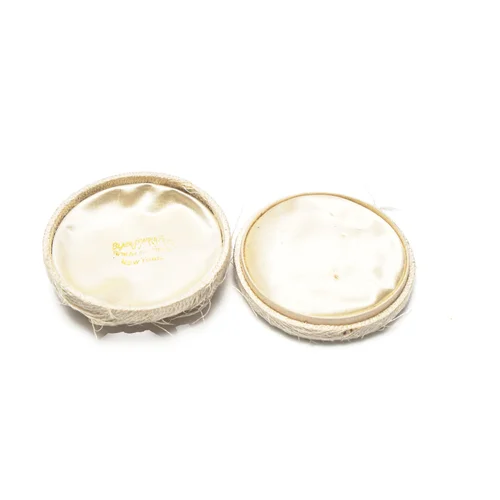 Antique Black, Starr & Frost New York Round Jewellery Box£195
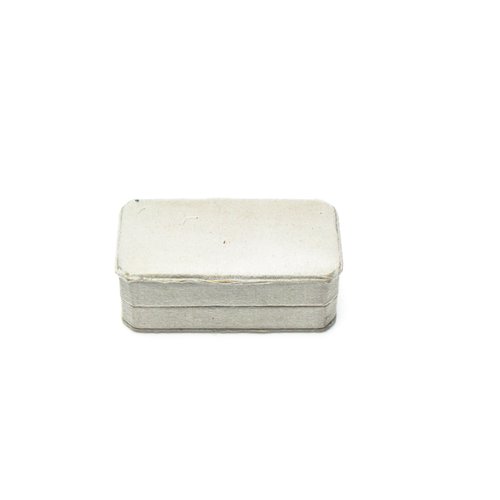
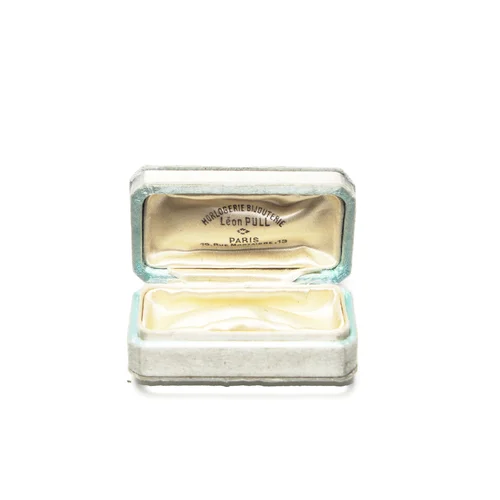 Antique Léon Pull Paris Small Jewellery Box, Rue Montaigne£195
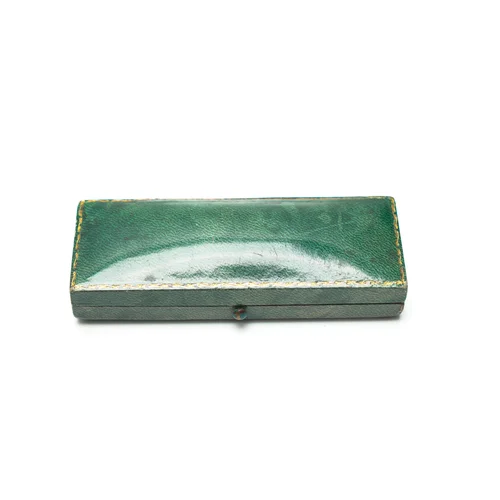
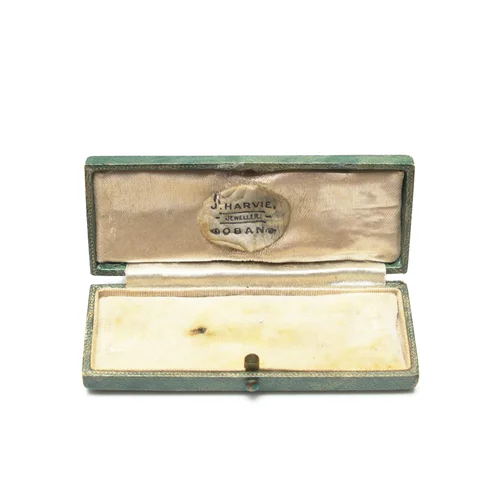 Antique J. Harvie Oban Stick Pin or Brooch Box, Green£165
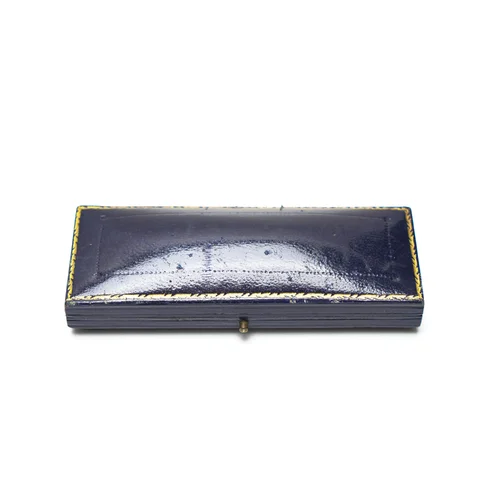
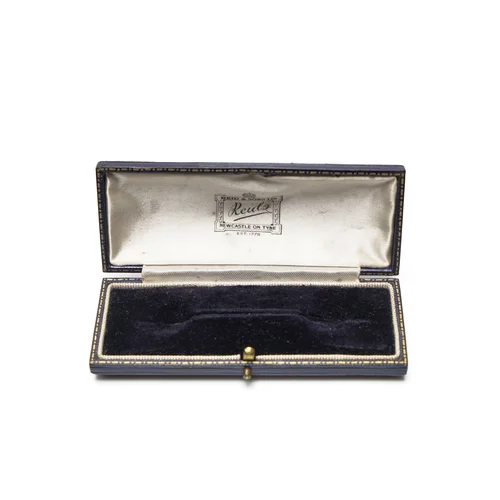 Antique Reid & Sons Brooch Box, Newcastle, Navy Leather£195
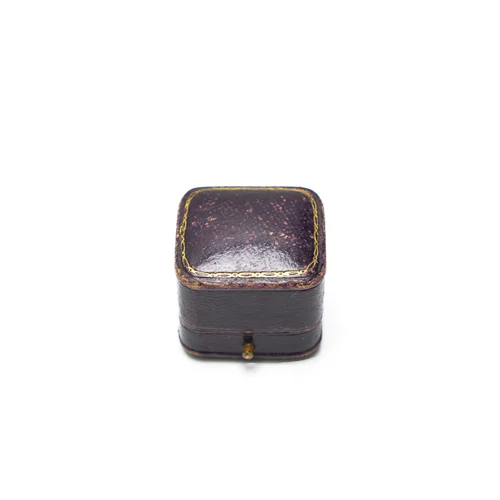
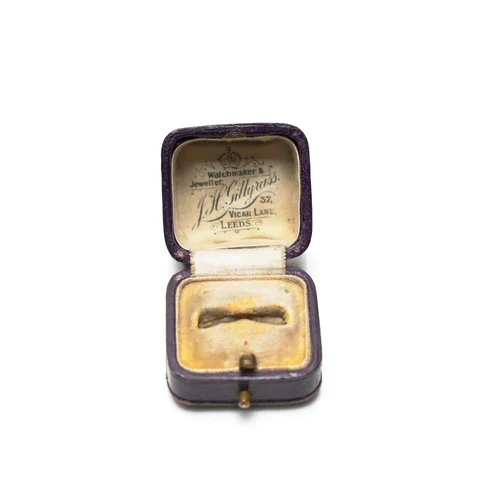 Antique J.H. Gillgrass Leeds Ring Box, Purple Leather£175
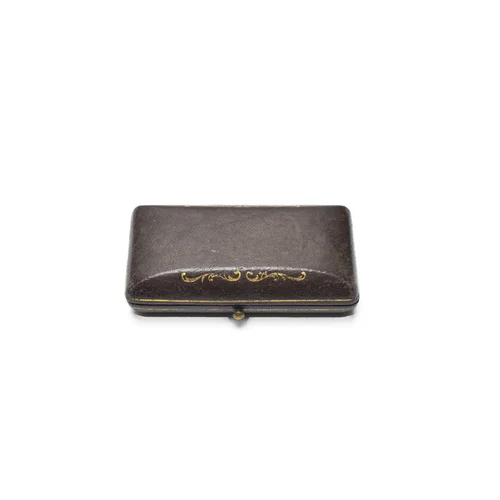
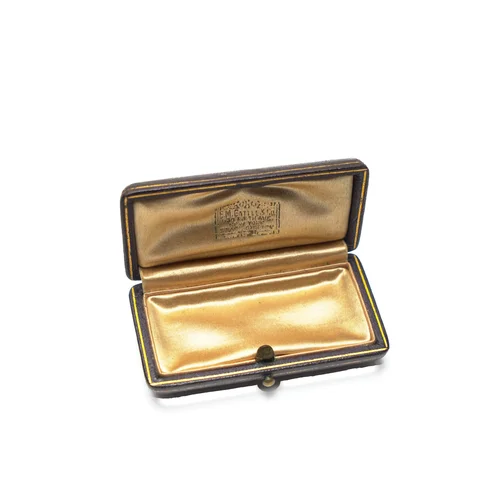 Antique E.M. Gattle & Co. Fifth Avenue New York Jewellery Box£165
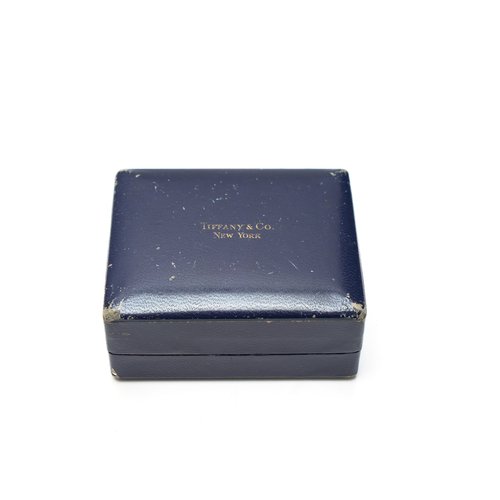
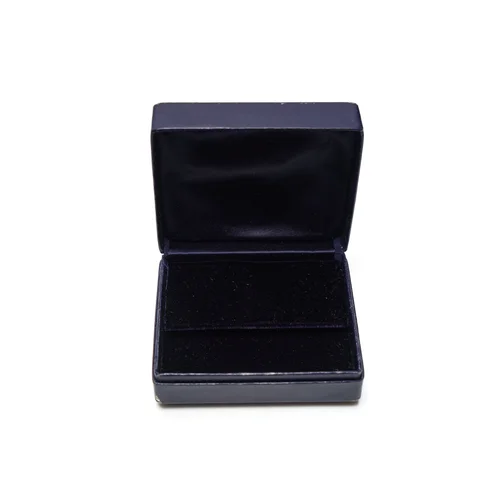 Antique Tiffany & Co. Earring Box, New York, Navy Leather£250
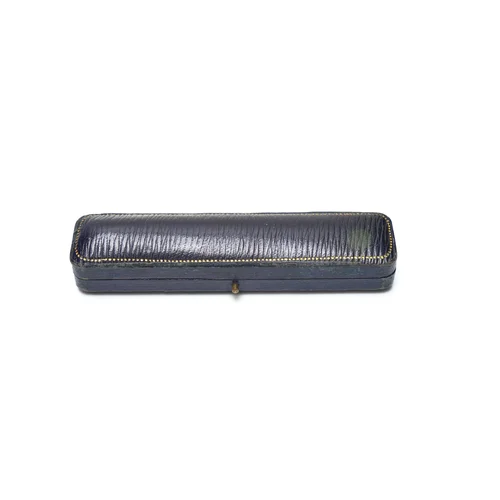
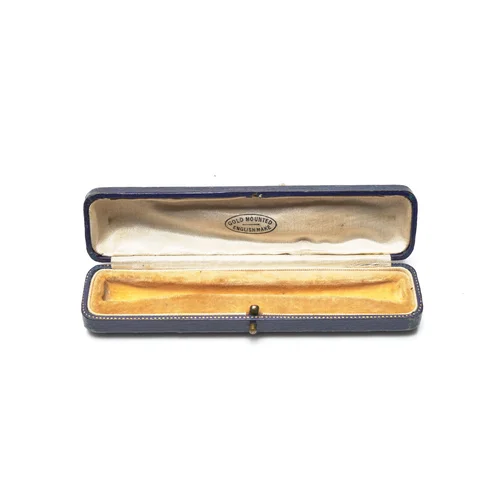 Antique English Gold Mounted Cheroot or Cigarette Holder Box£185
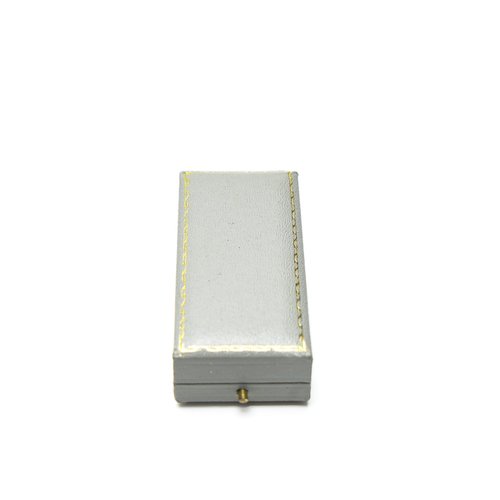
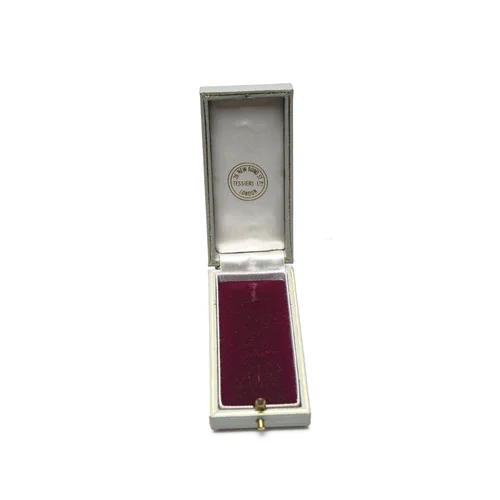 Vintage Tessiers Ltd New Bond Street Stick Pin Box, Grey£175
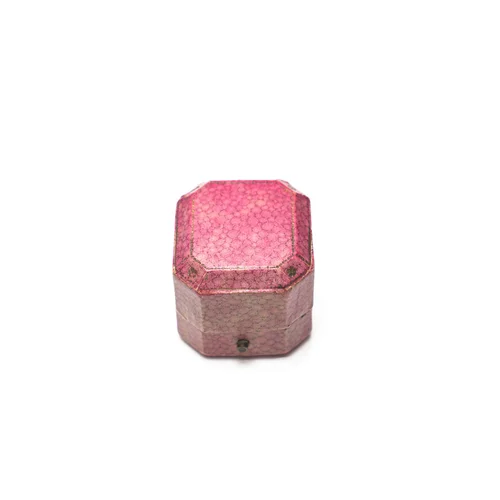
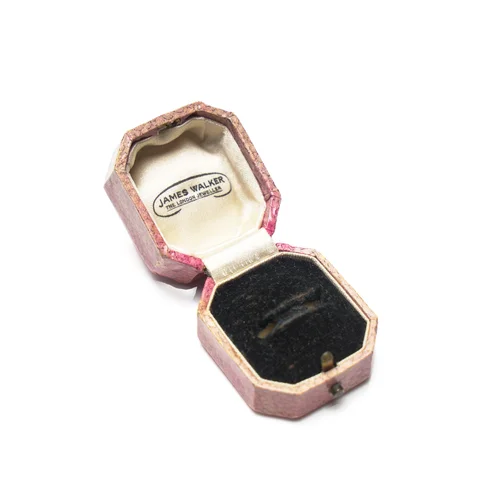 Vintage James Walker The London Jeweller Pink Ring Box, Octagonal£175
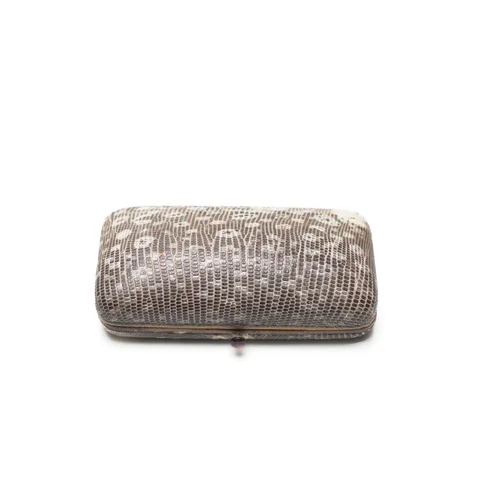
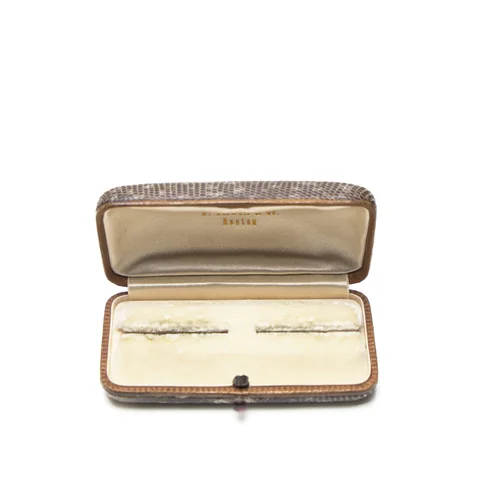 Vintage A. Stowell & Co. Boston Cufflink Box, Lizard Skin£185
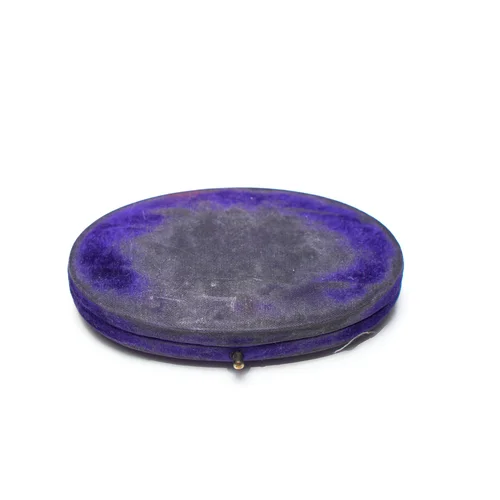
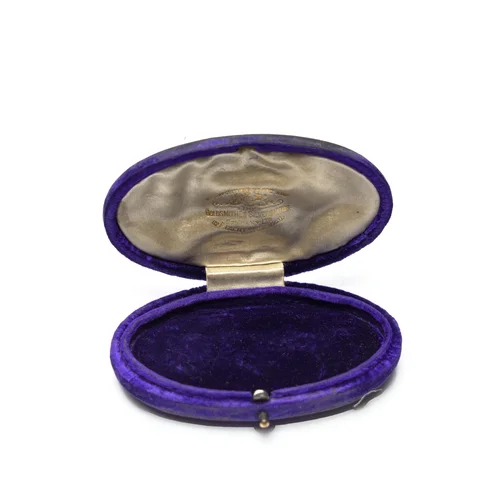 Antique Goldsmiths & Silversmiths Company Oval Jewellery Box, By Appointment to the King£225
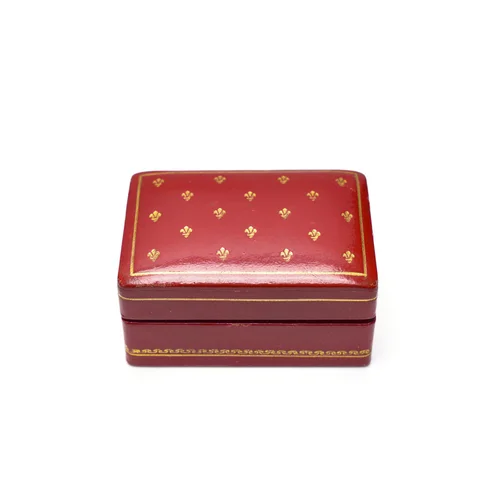
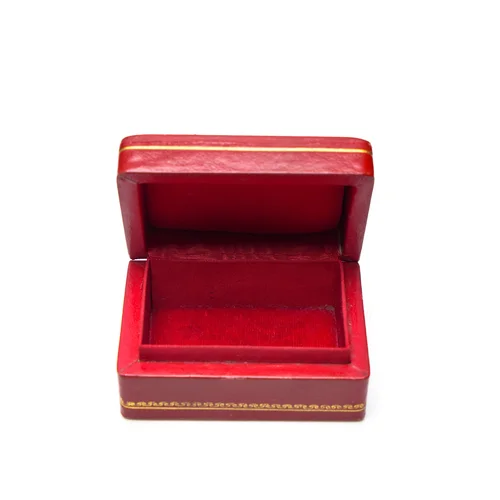 Vintage Italian Red Leather Jewellery Box, Gilt Tooled£195
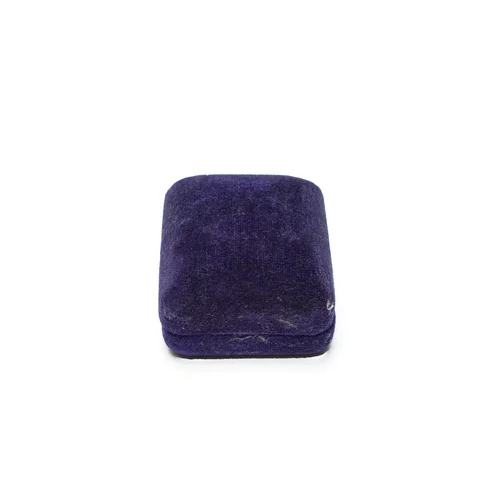
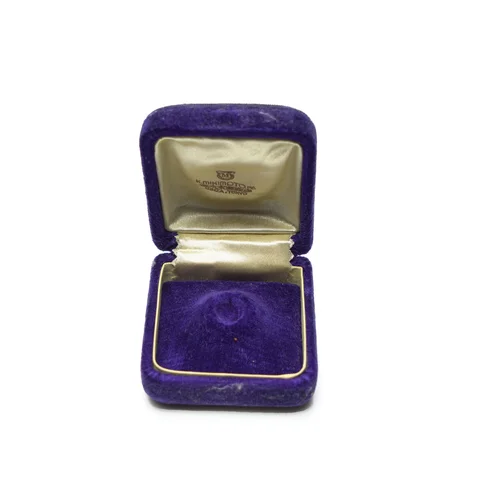 Vintage K. Mikimoto Ginza Tokyo Pearl or Ring Box, Purple Velvet£225
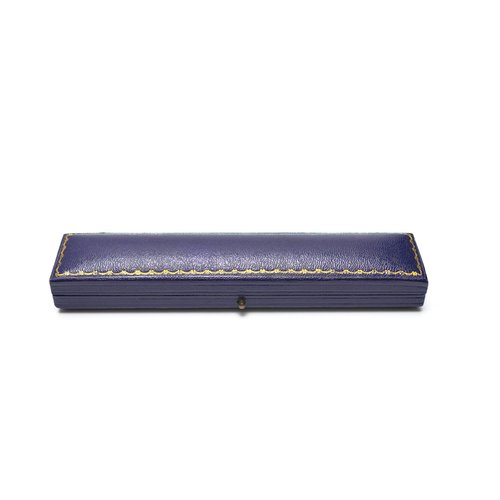
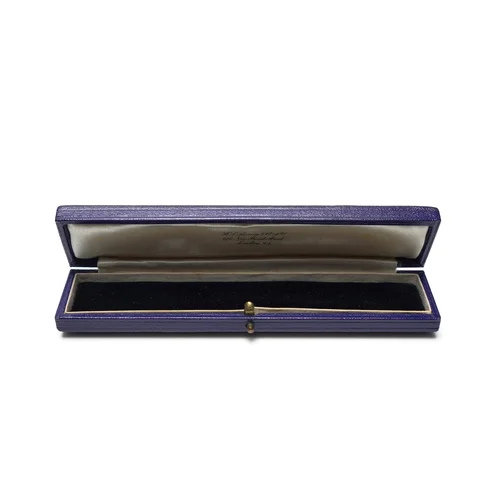 Antique H.L. Henry & Co. New Bond Street Long Jewellery Box, 1920s£220
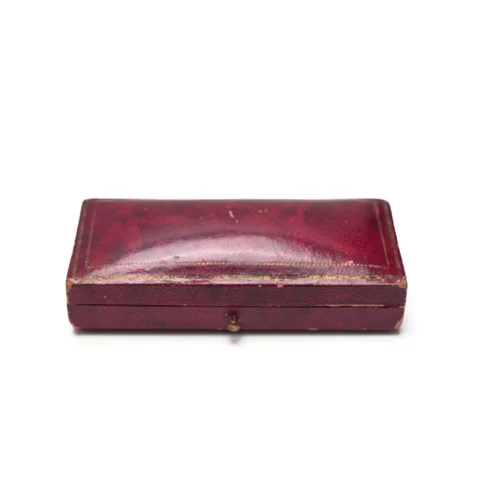
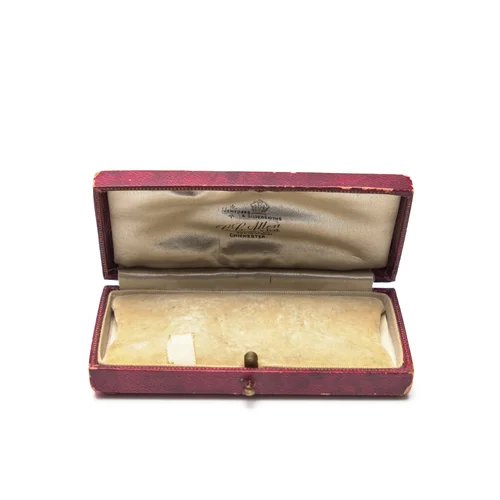 Antique Allen & Son Chichester Watch Box, Art Deco 1920s£195
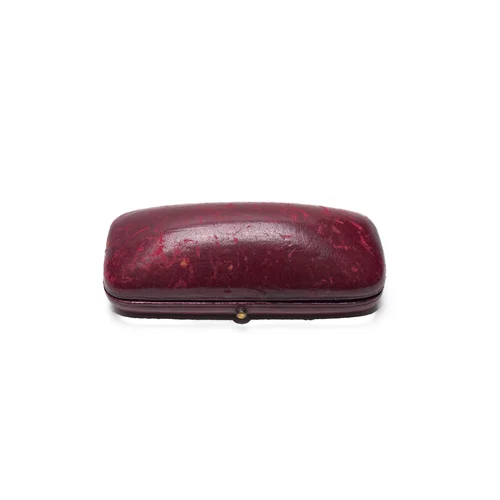
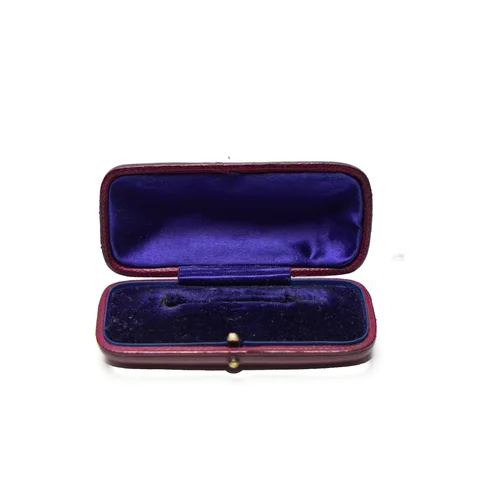 Antique 19th Century Stick Pin Box, Domed Red Leather£195
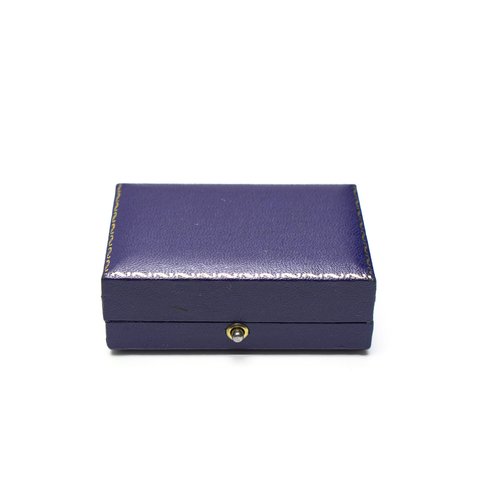
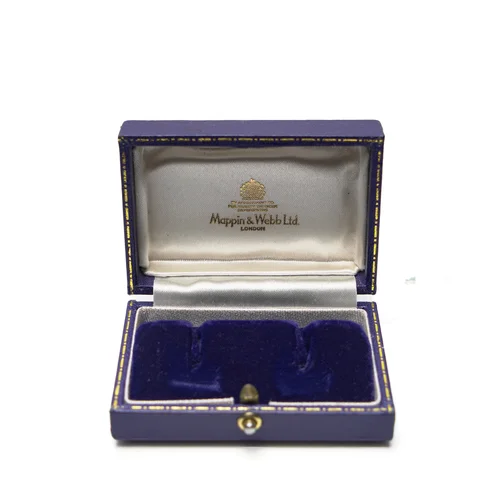 Vintage Mappin & Webb Cufflink Box, By Appointment to Her Majesty the Queen£225
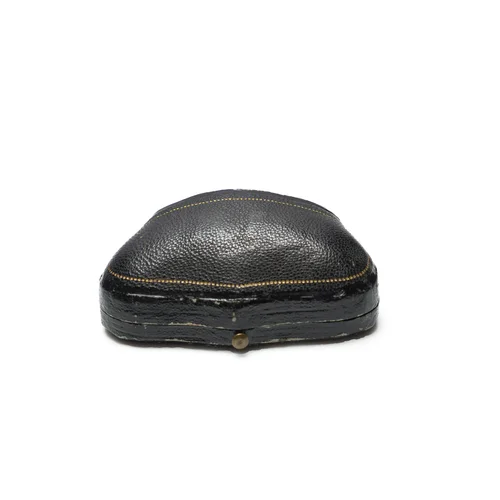
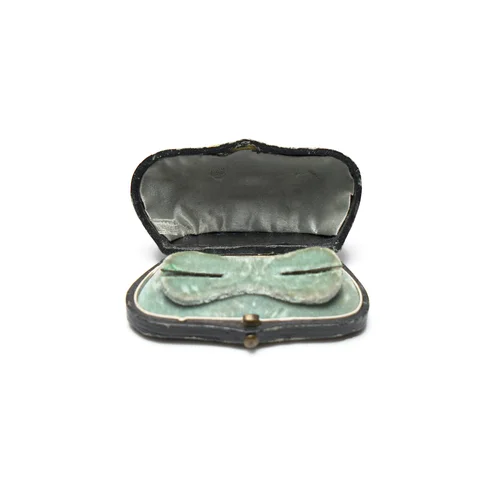 Antique 19th Century Brooch or Double Clip Presentation Box, Black Leather£225
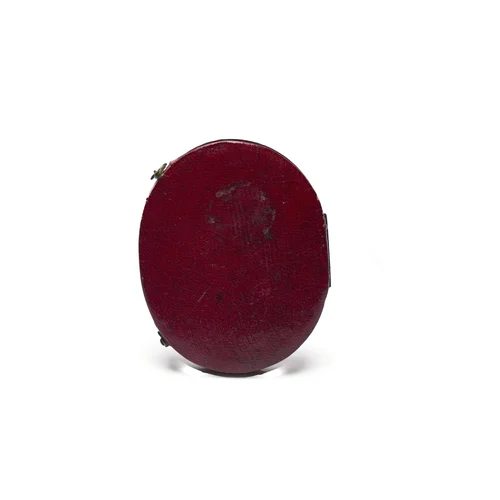
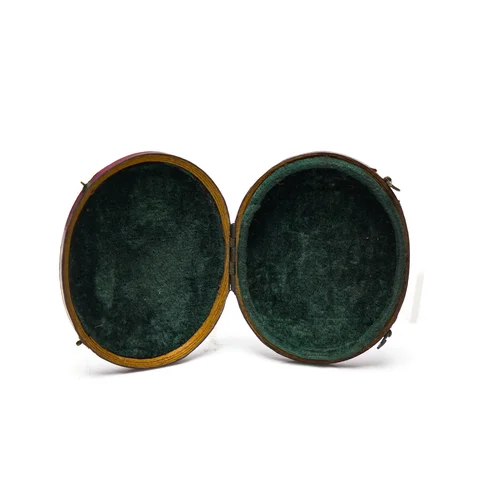 Antique 19th Century Oval Red Leather Locket or Mourning Jewellery Box£250
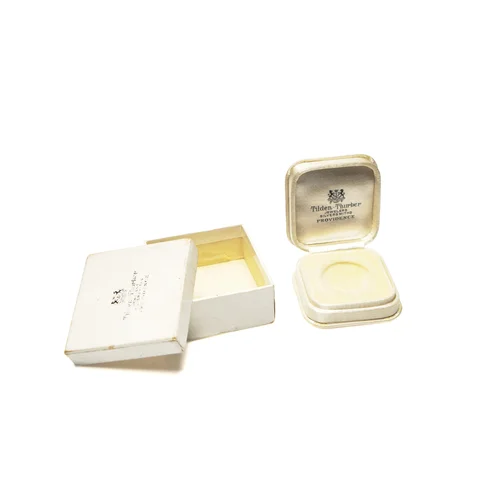
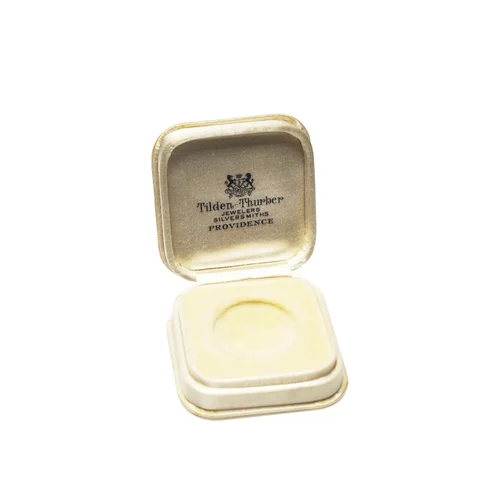 Vintage Tilden-Thurber Coin or Pendant Box with Outer Box, Providence£195
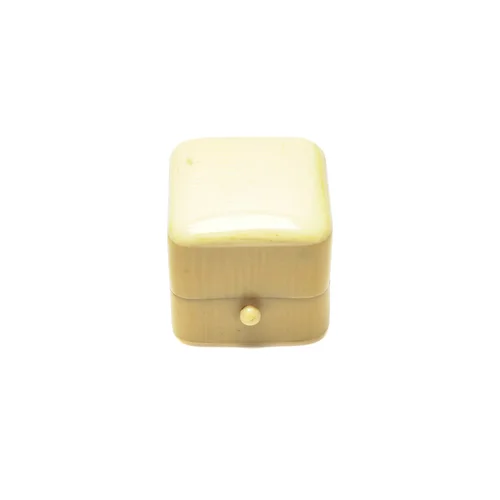
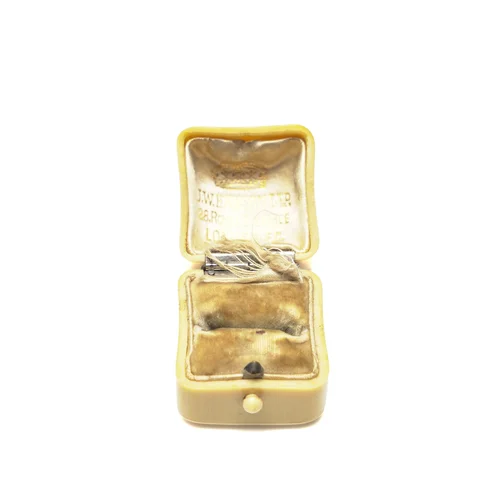 Antique J.W. Benson Ivory Coloured Ring Box, Royal Exchange London£195
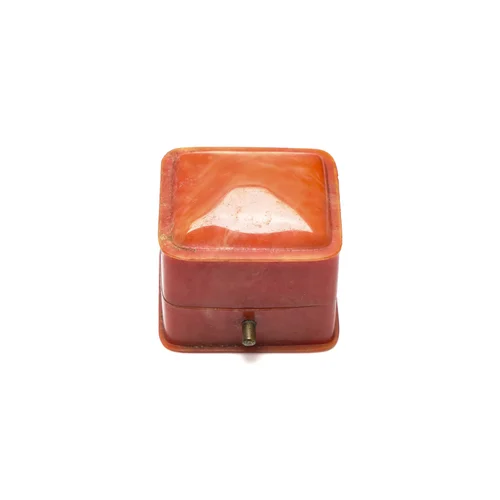
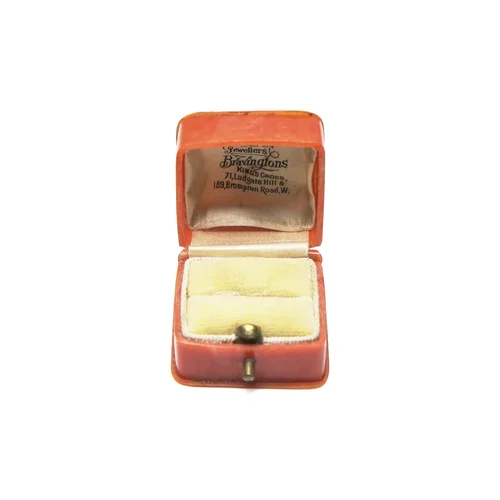 Vintage Bravingtons Ring Box, Orange Marbled Case, London£195
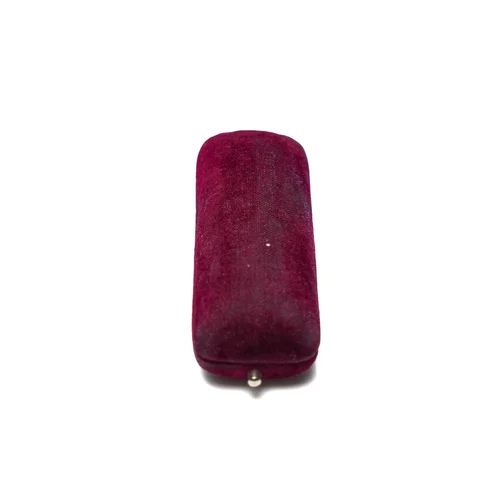
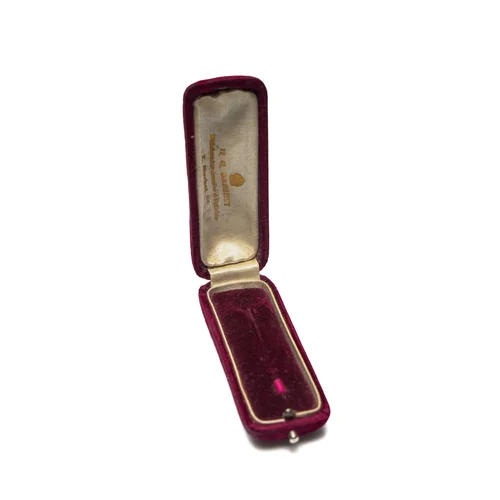 Antique H.G. Mabbett Stick Pin Box, Watchmaker Jeweller and Optician£195
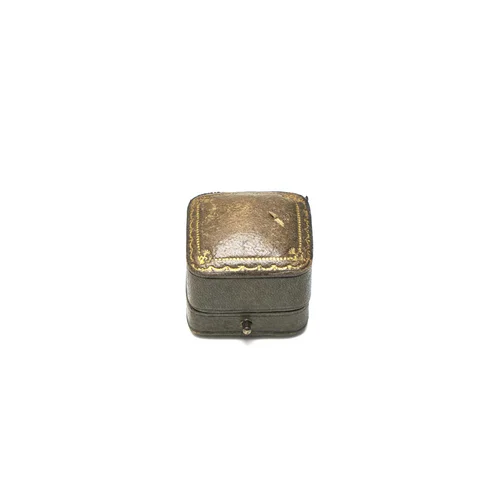
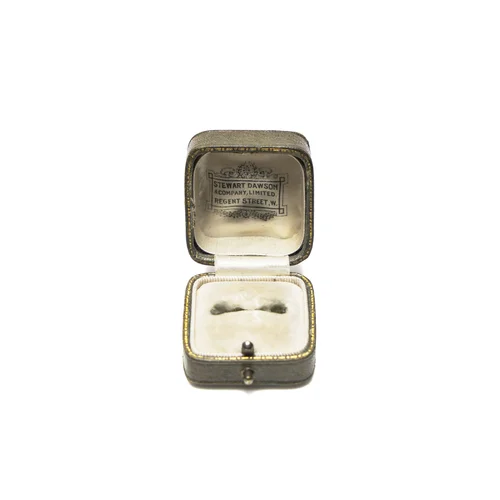 Antique Stewart Dawson & Co. Ring Box, Regent Street London£195
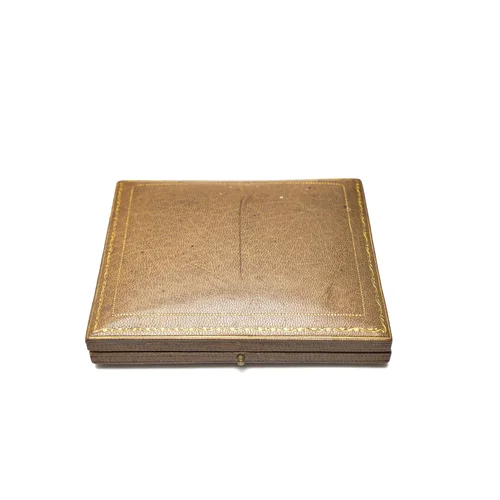
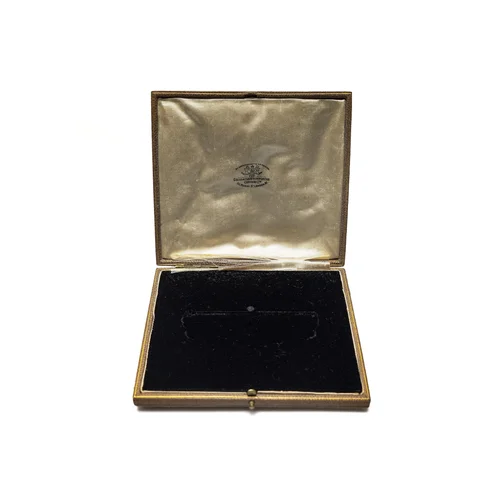 Antique Goldsmiths & Silversmiths Company Large Brooch Box, 112 Regent Street£295
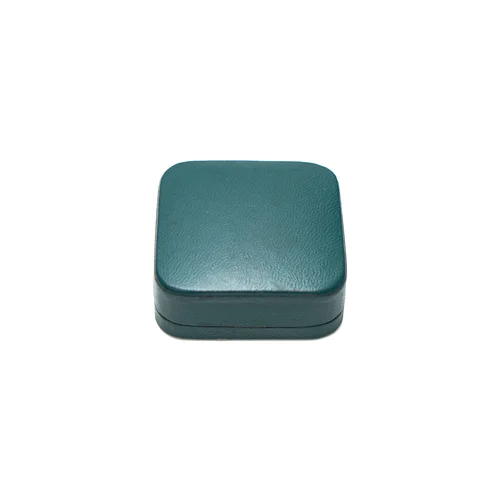
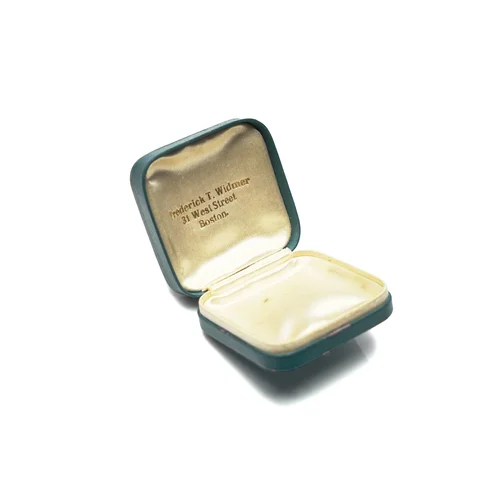 Vintage Frederick T. Widmer Pendant or Brooch Box, Boston£195
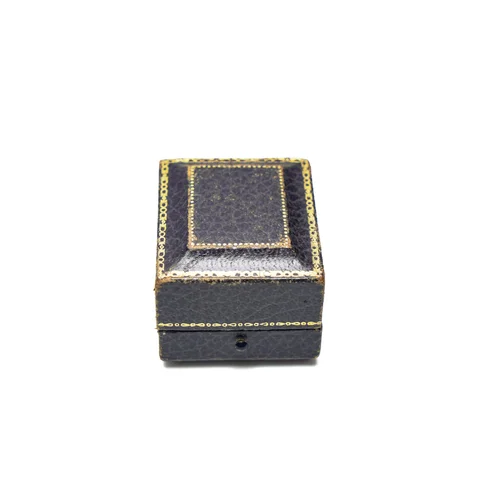
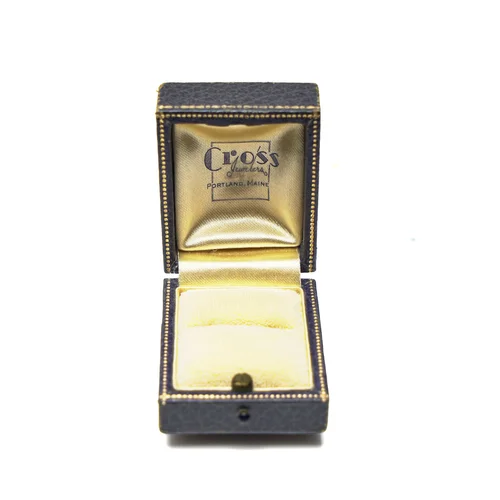 Vintage Cross Jewelers Ring Box, Portland, Maine, Dark Grey£195
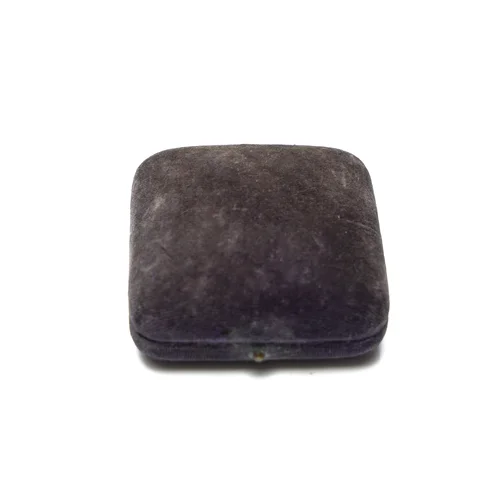
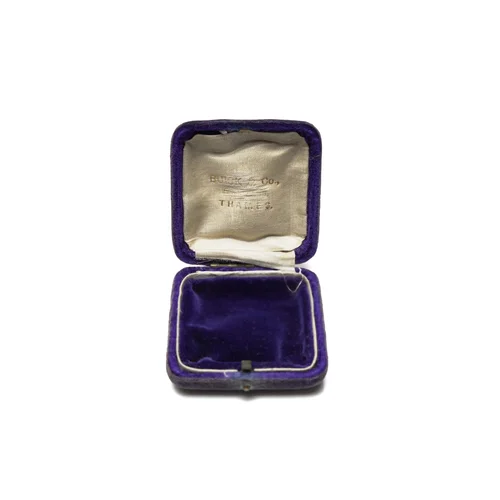 Antique Buick & Co. Jewellery Box, Purple Grey Velvet£170
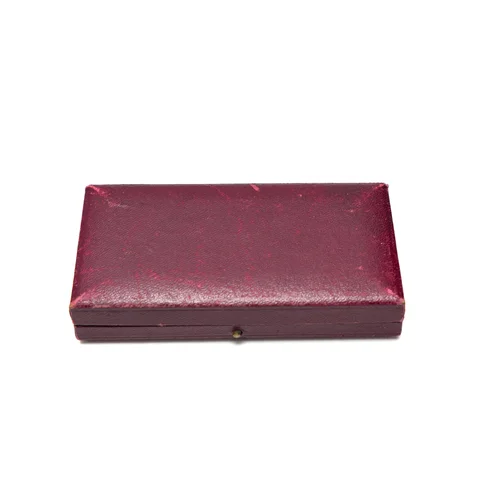
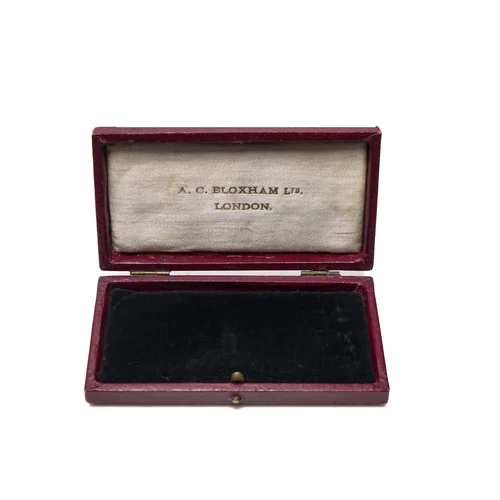 Vintage A.C. Bloxham Ltd London Red Leather Jewellery Box£195
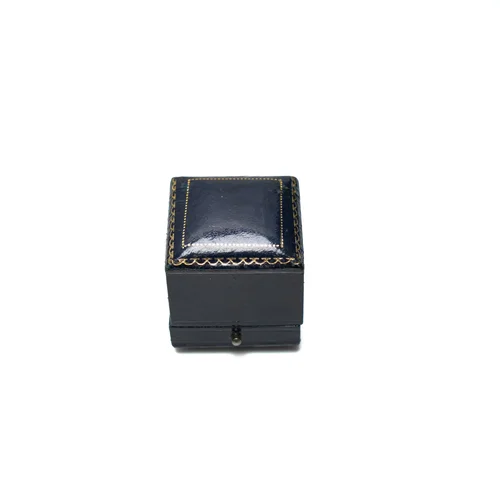
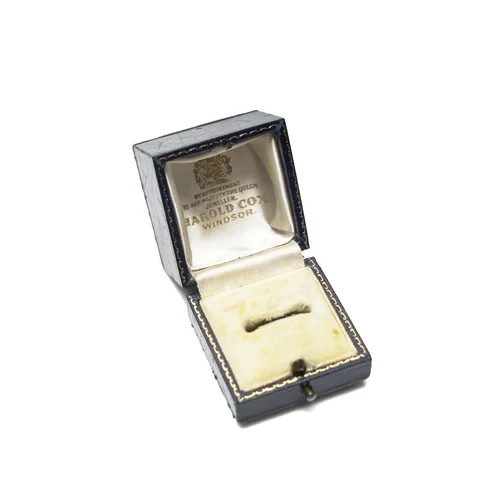 Vintage Harold Cox Ring Box, Windsor, Royal Warrant£195
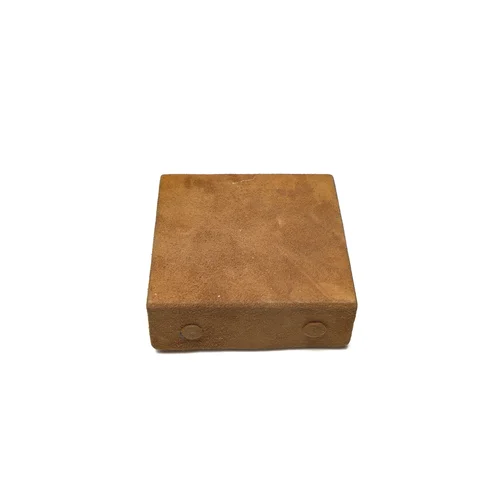
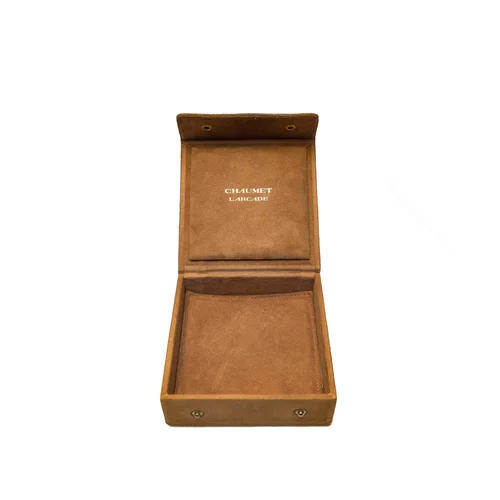 Vintage Chaumet Jewellery or Watch Box, Tan Suede, L'Arcade£295
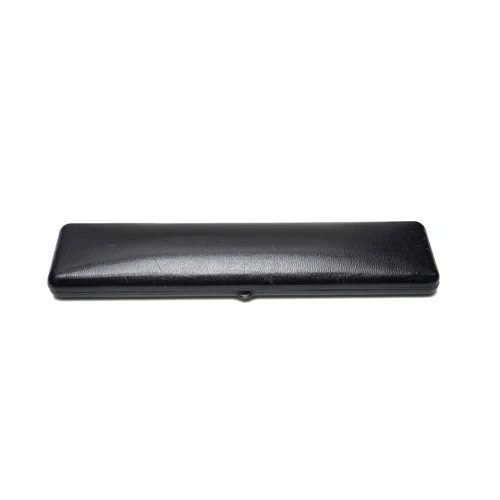
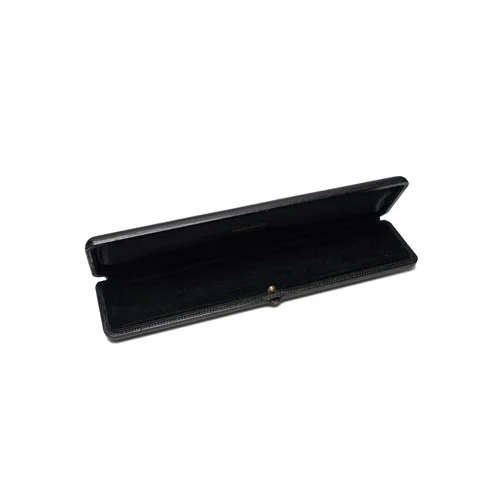 Vintage Kutchinsky Watch or Bracelet Box, 1960s to 1970s£285
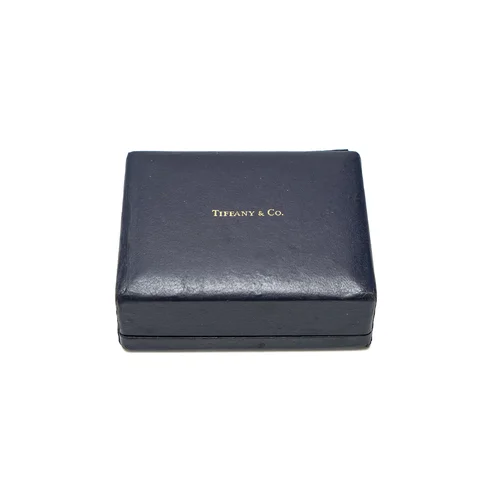
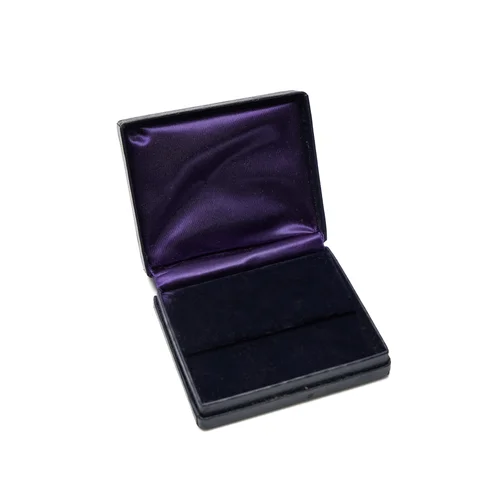 Vintage Tiffany & Co. Earring Box, Dark Blue with Purple Satin£250
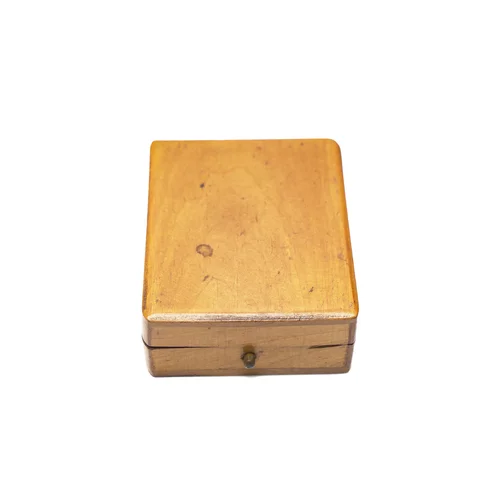
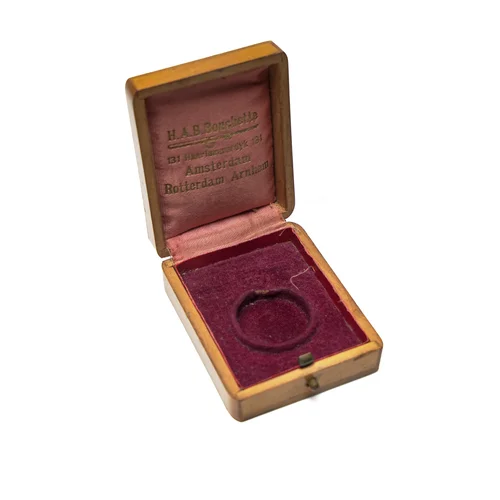 Antique H.A.B. Bouchette Wooden Coin or Pendant Box, Amsterdam£195
Recently sold
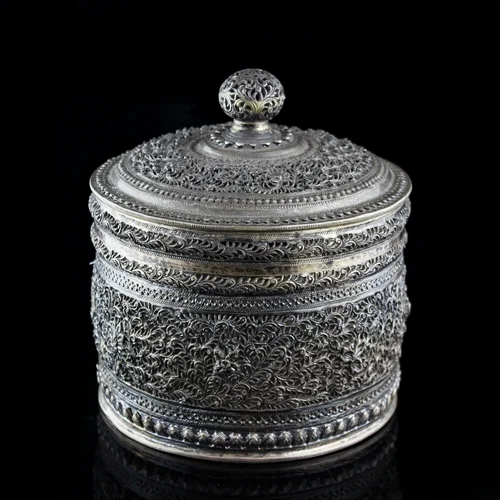 Antique Thai silver unusual betel boxSold
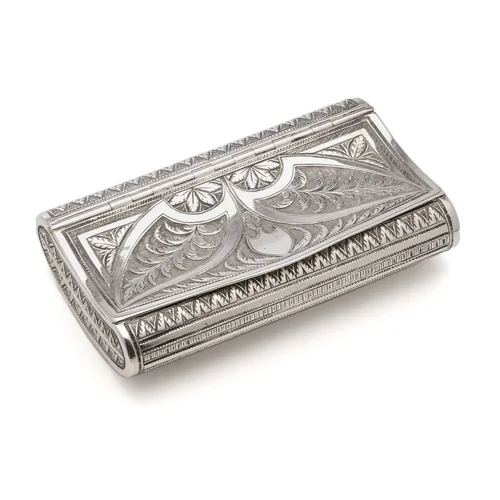 Antique Austrian sterling silver snuff box with floral motifsSold
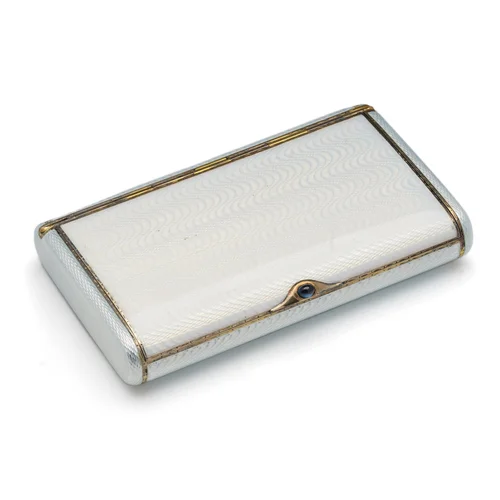 Russian silver gilt and guilloche enamel cigarette case, c. 1910 St. Petersburg by Andrey AdlerSold
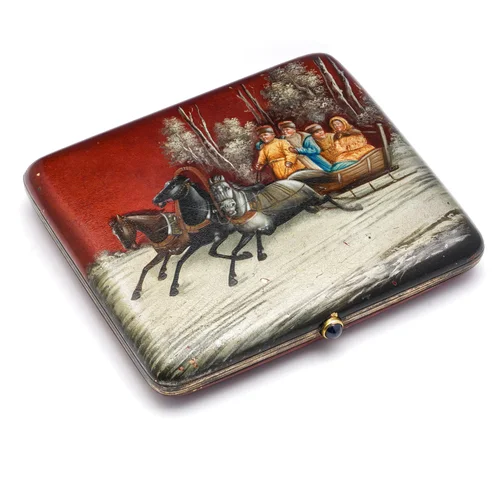 Antique Russian Silver Gilt and Lacquer Cigarette CaseSold
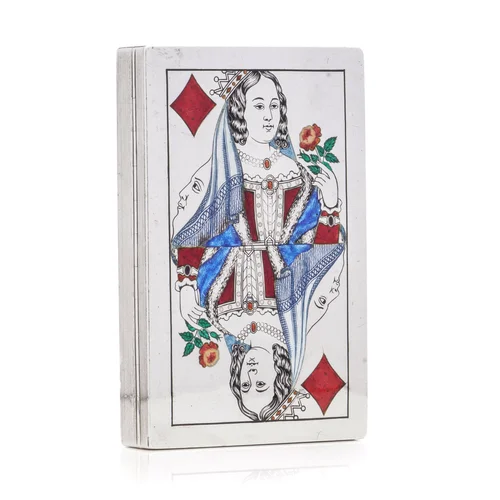 Russian silver and champlevé enamel snuff box, Moscow 1869Sold
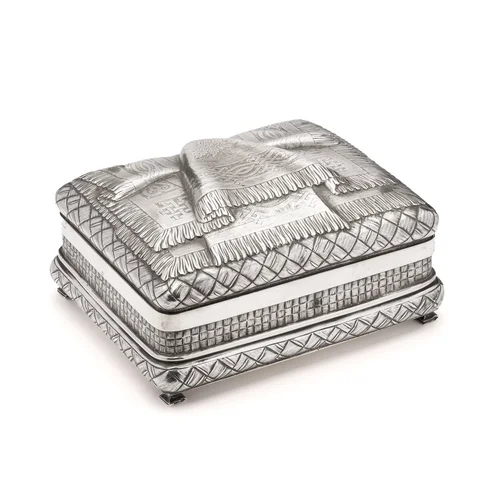 Antique Russian sliver trompe loeil box by Grigoriy LoskutovSold
What a fitted jewellery box is
Until the late 20th century, a good jeweller sold fine pieces in a box made to fit them. The case was built on a wooden or card frame, covered in leather or leatherette, and fitted inside with a velvet base cut to the exact shape of the jewel and a silk or satin lid lining. The retailer's name, address and often a royal warrant were printed in gold on the silk. Ring, brooch, pendant, bracelet, necklace and watch boxes all followed this pattern, in shapes that tell you what they once held.
Dating a box from its lining and shape
The lining is the best clue. Retailers moved premises, merged and changed their names, so an address or a firm's name can place a box within a few years. "By Appointment" warrants name the reigning monarch. Victorian boxes tend to be domed or shaped to the jewel, with a push-button clasp. Art Deco boxes are crisper and more geometric, and celluloid and velvet ring boxes appear in the 1920s and 1930s. From the 1950s, square leatherette boxes with white satin linings take over.
Retailers and case makers
The name in the lid is the shop that sold the piece, not the workshop that made the jewel or the case. London firms such as Garrard, Asprey, Mappin & Webb and Hunt & Roskell, Paris houses such as Cartier and Chaumet, and New York names such as Tiffany & Co. all used specialist case makers. Boxes from provincial jewellers, from Edinburgh to Reading, are a record of shops that have often long since closed.
Condition: what to look for
Check the hinge opens smoothly and the clasp springs shut and holds. Look for fading or staining on the silk, rubbing on the leather corners and edges, and wear or moth damage to the velvet. The shaped slot inside should be intact, because it shows what the box was made for. Small scuffs on a box a century old are normal; a split hinge or a lining that has come away needs repair.
Care
Keep boxes dry and out of direct sunlight, which fades silk and leather. Dust with a soft brush, and treat dry leather sparingly with a wax-based conditioner, never water.
Questions
Are old jewellery boxes worth anything?
Yes. Fitted boxes from well-known jewellers are collected in their own right, and a period box adds to an antique jewel when it is presented in a case of the right date and type. The retailer's name, the age, the condition and whether the fitting suits a particular kind of jewel all matter.
How do you open an old jewellery box without a key?
Most fitted jewellery boxes have no lock: they open with a push-button clasp on the front. Press the button firmly while lifting the lid. If it is stuck, warm the box to room temperature and press again gently rather than forcing the lid, which can split the hinge.
How do you clean an antique jewellery box?
Brush dust from the velvet and seams with a soft, dry brush. Wipe leather with a barely damp cloth, dry it at once and feed it with a little wax-based conditioner. Do not wet silk linings or velvet, as water leaves tide marks.
How can you tell how old a jewellery box is?
Read the lining: the retailer's name, address and any royal warrant can usually be dated from directories and warrant records. Shape, clasp type and materials help too. Our guide to dating antique jewellery boxes explains the clues.