Silver Figures and Sculptures
Silver figures and animal figurines, mostly Italian and English work of the 20th century: Buccellati sterling silver animals, Asprey equestrian figures, Italian 800 silver groups and 19th-century German figural silver.
5.0 by our buyers on Google · 4,000+ customers
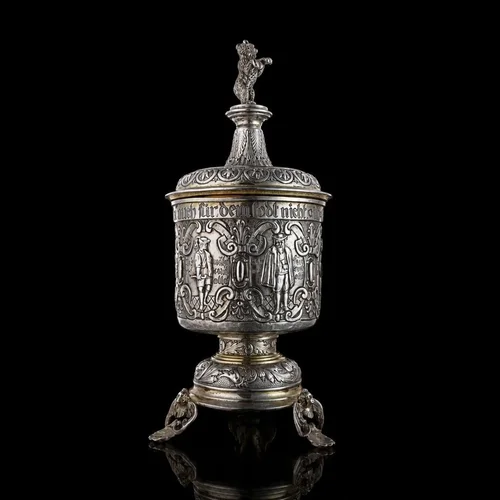
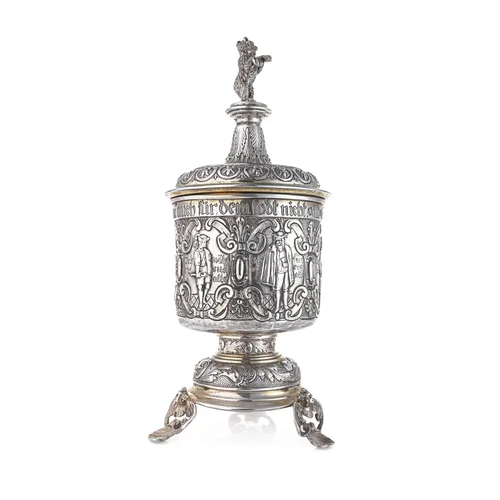 German Silver Figural Covered Cup with Bear Finial, 19th century£2,950
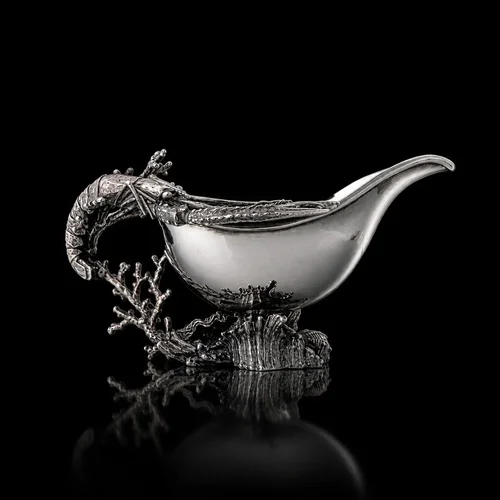
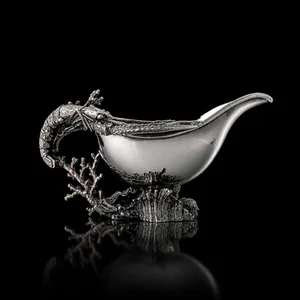
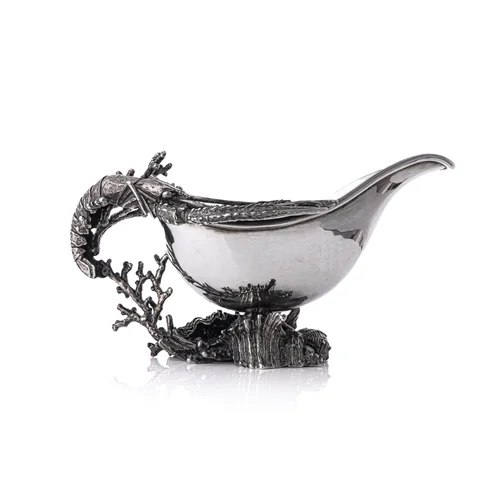 Giovanni Raspini Silver Lobster & Coral Gravy Boat Dish£5,950
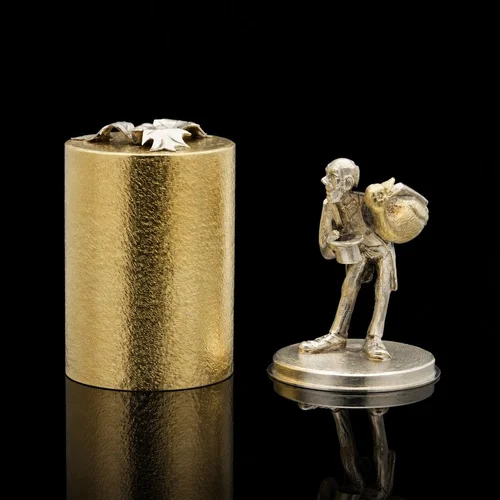
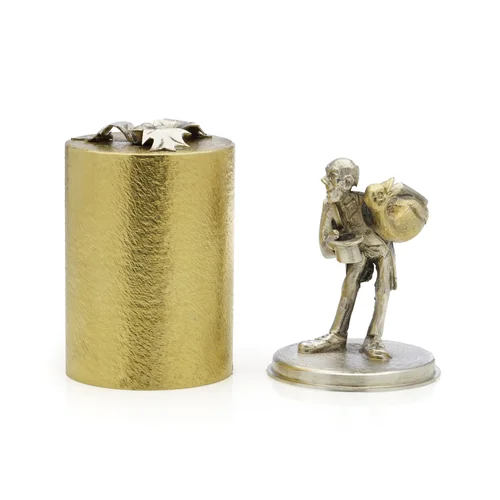 Stuart Devlin vintage limited edition silver gilt Surprise Gift£1,250
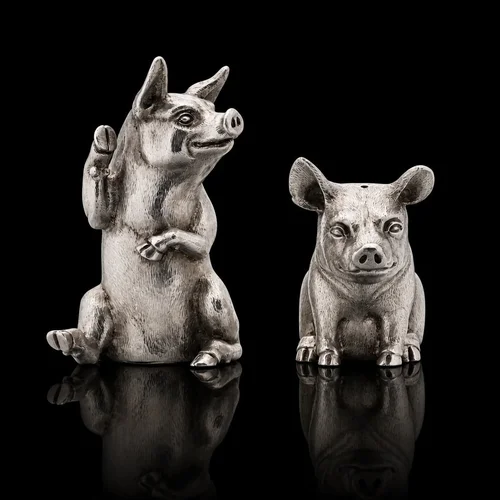
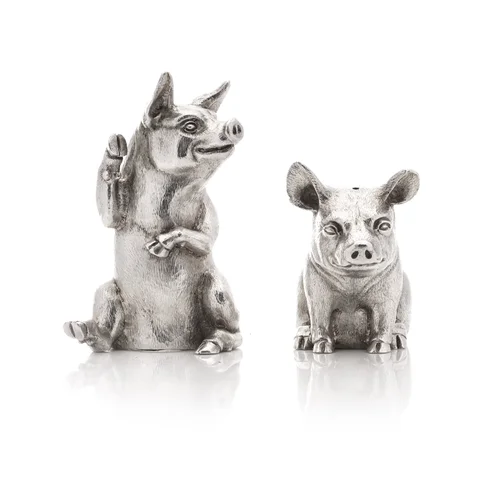 Novelty salt and pepper shakers in a shape of a pigs£2,780
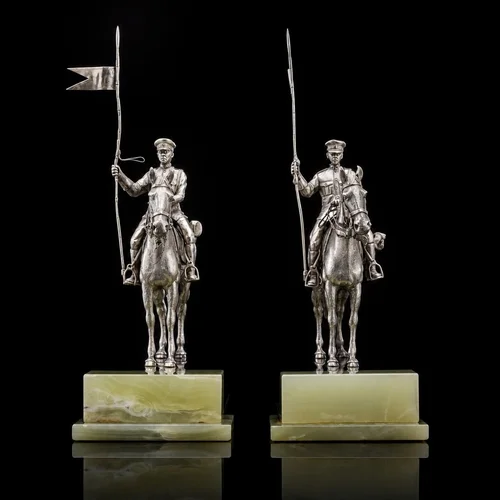
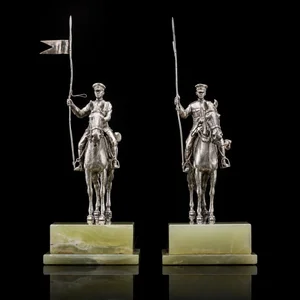
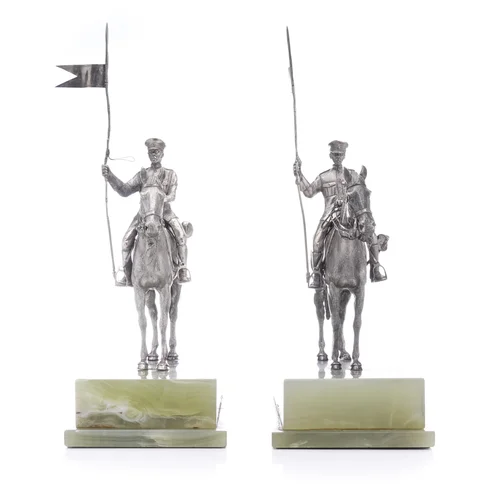 Asprey & Co. pair of horse-riding solid silver figurines on marble bases£9,850
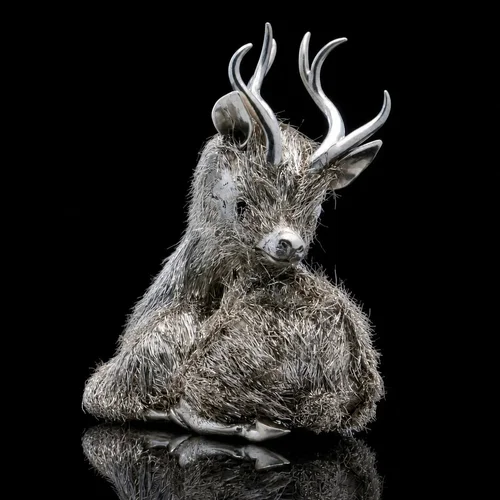
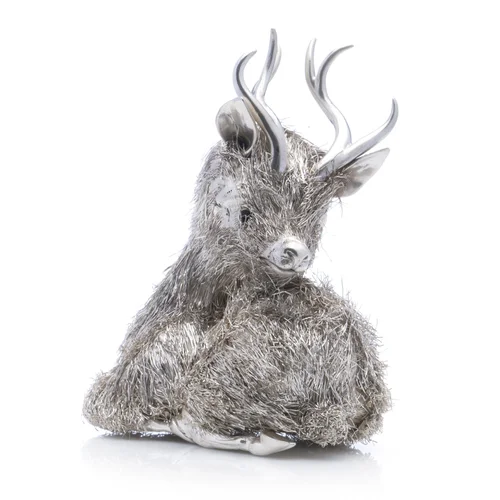 Mario Buccellati Sterling Silver Fallow Deer Figurine, Italy, 1950s£3,985
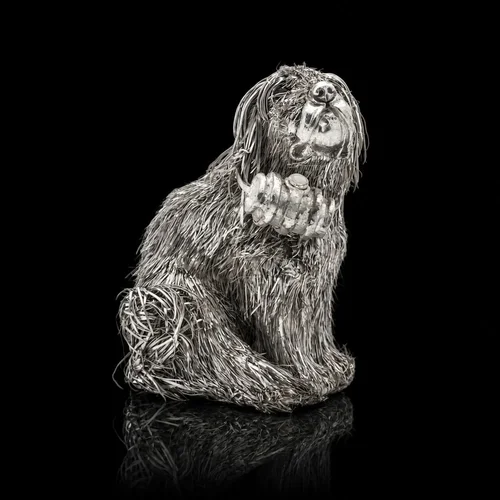
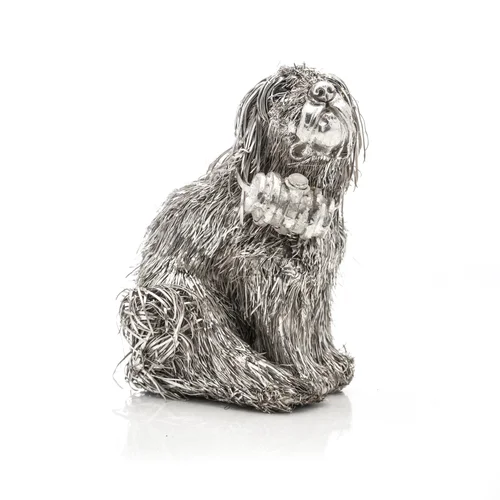 Mario Buccellati Italian sterling silver St Bernard's dog figurine.£4,950
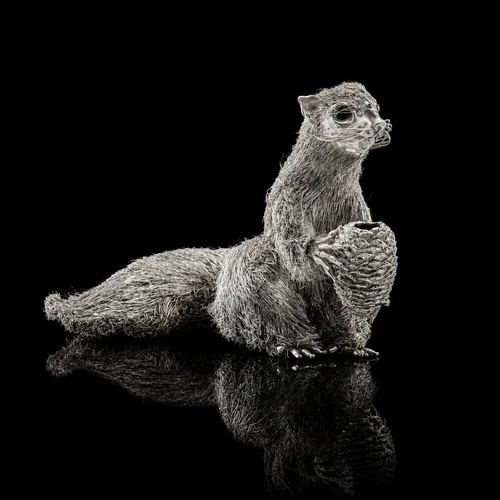
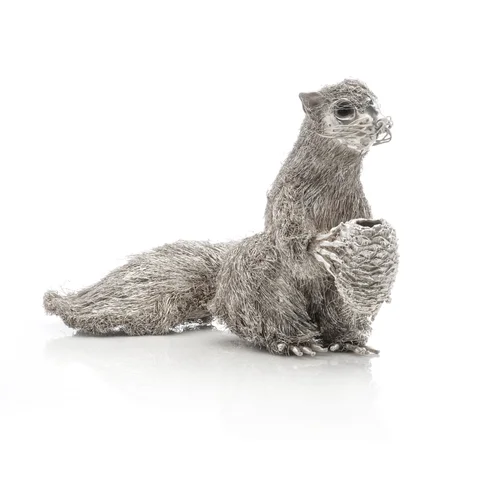 Mario Buccellati Italian sterling silver squirrel figurine.£4,950
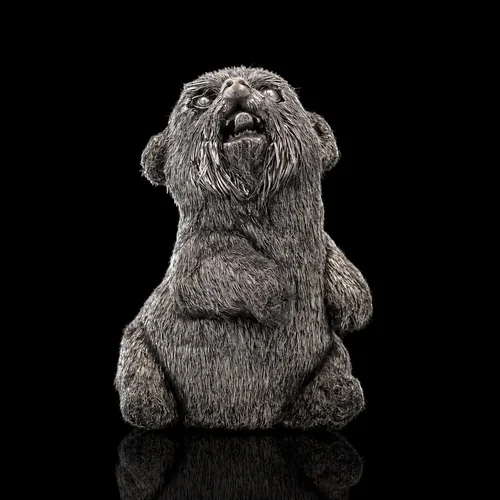
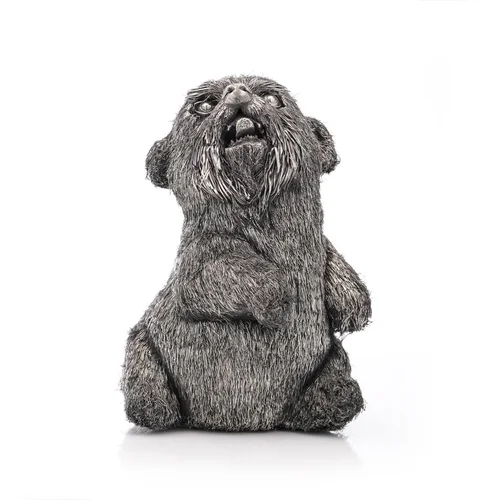 Mario Buccellati sterling silver furry cub model in a sitting pose£4,500
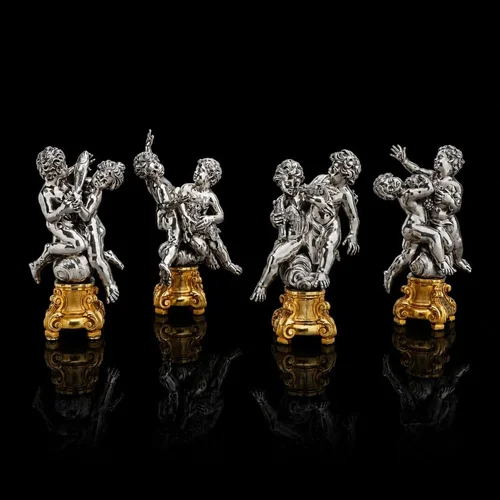
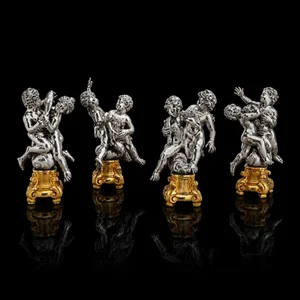
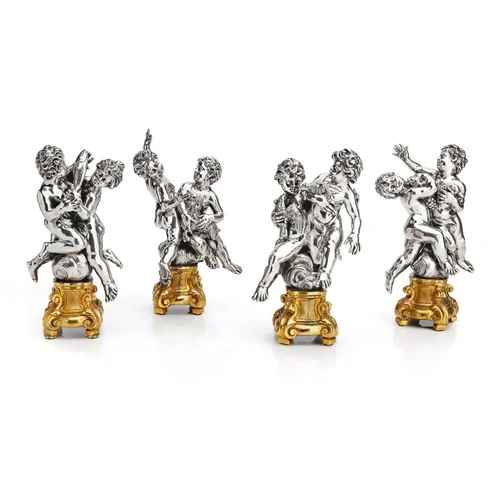 Luigi Avolio set of four 800. Italian silver and ormolu figural groups£21,850
Recently sold
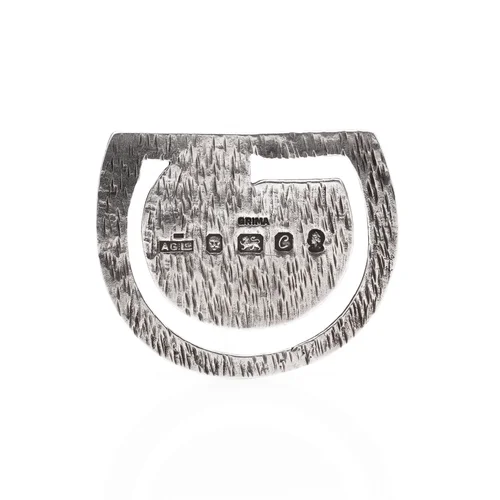 Andrew Grima vintage sterling silver money clip/book dividerSold
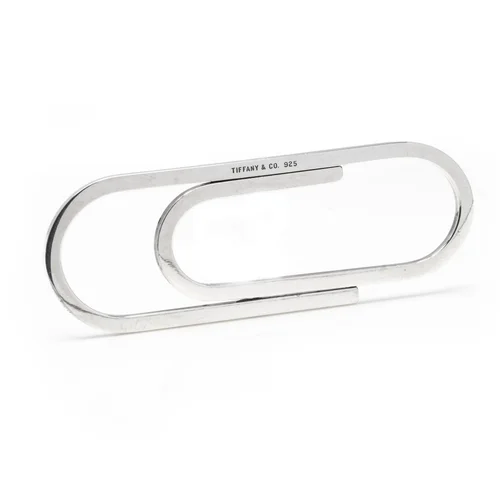 Tiffany & Co. 925 silver money clipSold
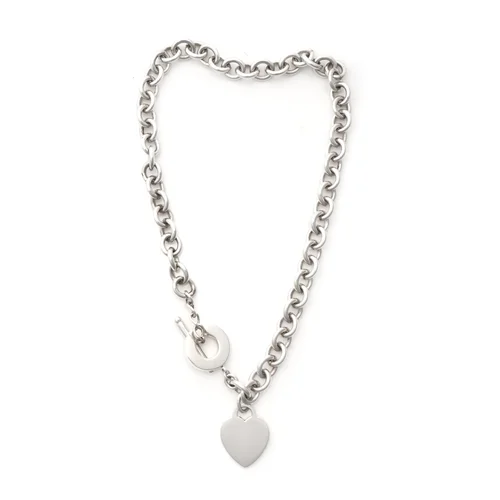 Tiffany & Co. sterling 925 silver chain necklaceSold
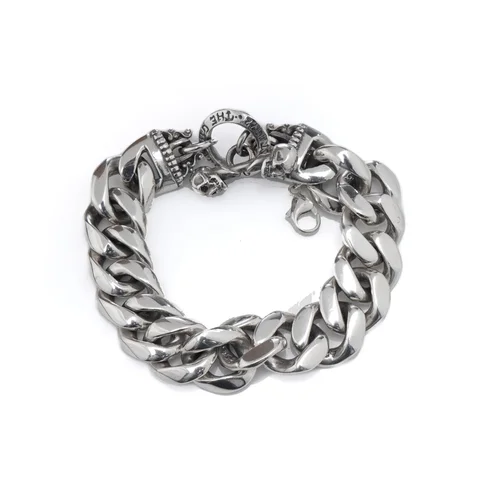 The Great Frog sterling silver 925 thick link braceletSold
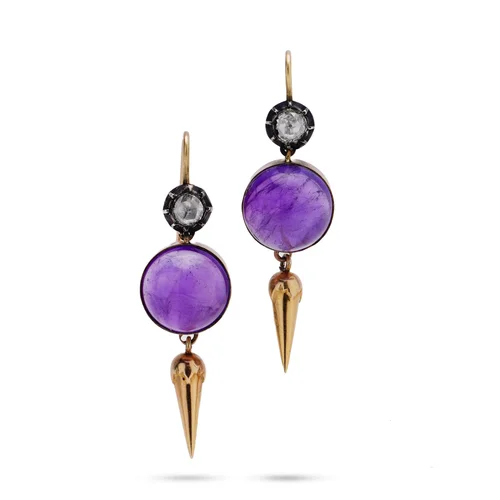 Antique Victorian 15KT gold and silver cabochon amethysts drop earringsSold
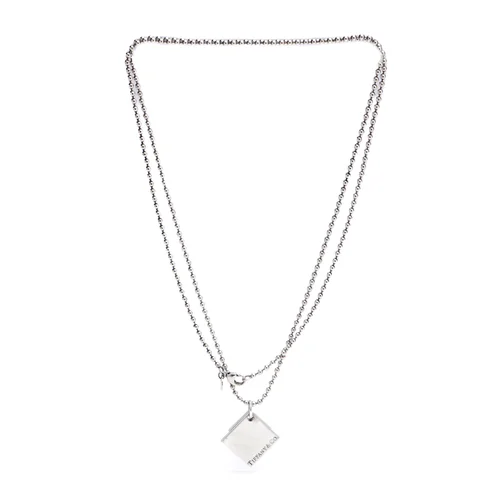 Tiffany & Co. 925 sterling silver chain necklace with two square pendantsSold
Buccellati animals
Mario Buccellati opened his Milan workshop in 1919 and became known for silver and gold worked with engraved textures that recall fabric and lace. From the 1950s the firm made a menagerie of sterling silver animals, including deer, birds, dogs and fish, with fur and feathers created by fine engraving and chasing. Pieces are stamped with the Buccellati name and the silver standard.
English figural silver
English silversmiths and retailers such as Asprey and Garrard made silver figures of horses, dogs and game birds, often as trophies or presentation pieces, and set them on marble or wood plinths. Many are hallmarked on the figure itself and sometimes on the base fittings.
Cast, chased or filled
Good silver figures are cast and then hand chased, so the surface detail is crisp. Some later figures are thin silver shells filled with a weighted compound to make them stand firm; these are described as "filled" or "loaded" and contain less silver than their weight suggests. Check the base: a cast figure is open or soldered, a filled one is sealed.
Marks and standards
Italian silver is stamped with the fineness, such as 925 or 800, and a star-shaped producer's mark with a number and province code. English silver carries a full hallmark. Continental 19th-century pieces may carry town marks and tax marks.
Condition
Look for bent legs, tails and ears, which are the first parts to take knocks, and for solder repairs at joins. Check that marble bases are not chipped and that fixings are secure.
Displaying silver figures
Silver figures look best in a cabinet away from damp, which speeds tarnish. Anti-tarnish strips in a closed cabinet slow discolouration and reduce the need for polishing, which is the main cause of worn detail on fine chased surfaces. Lift figures by the body or base, never by a leg, tail or antler.
Pairs and groups
Many figures were made as pairs or sets, such as matching horses, pheasants or table centre groups. A complete pair or group by the same maker and date is harder to find than a single piece, so check that the marks agree on each.
Questions
Are silver figurines solid silver?
Many are, especially cast figures by good makers, but some are filled: a thin silver shell with a weighted core. A full hallmark or a 925 or 800 stamp shows the silver standard. Filled pieces are usually marked or described as such.
How do you clean a silver figurine?
Dust with a soft brush, then wipe with a silver cloth. Avoid dips, which pool in engraved and chased detail and leave residue. Clean around marble or wooden bases with care, as polish stains stone.
What makes a silver figure collectable?
The maker, the quality of the casting and chasing, the subject, and condition. Signed work by makers such as Buccellati, and pieces in original condition with crisp detail and intact bases, are the most sought by collectors.
What does 800 silver mean on an Italian figure?
800 means the metal is 80% pure silver, a standard widely used in Italy, Germany and elsewhere in Europe. Sterling, stamped 925, is 92.5% silver. Both are solid silver.