Antique European Silver
Antique and vintage European silver: 18th-century German drinking cups and calendars, Hanau revival caskets and ewers, French enamel, and Italian 20th-century silver by Mario Buccellati, Luigi Avolio and Giovanni Raspini. Each listing explains the marks, which differ from country to country, and gives the silver standard, date and weight.
5.0 by our buyers on Google · 4,000+ customers
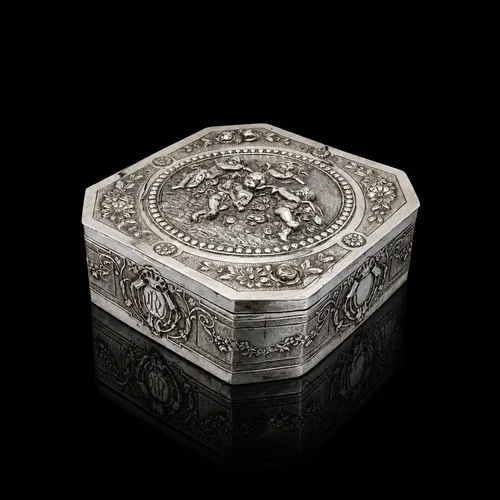
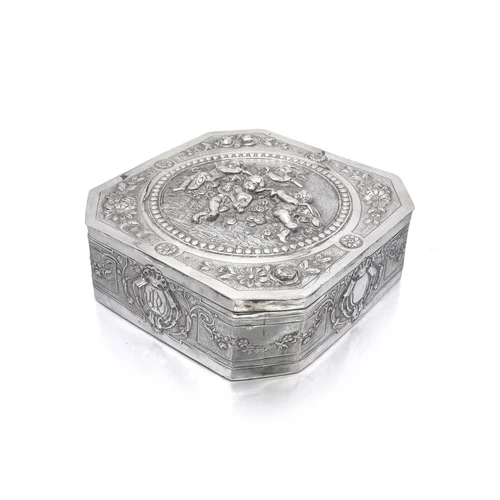 Antique German Hanau .800 Silver Casket, Repoussé Putti, Gilt Interior, Dated 1924£2,450
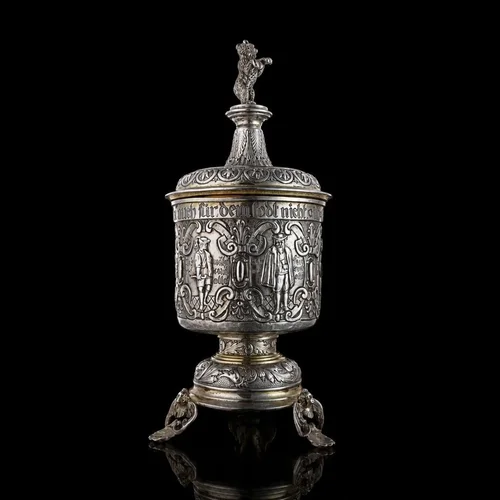
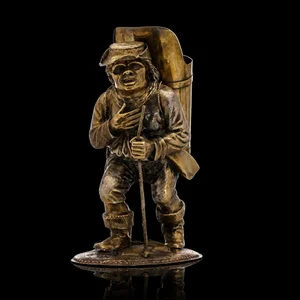
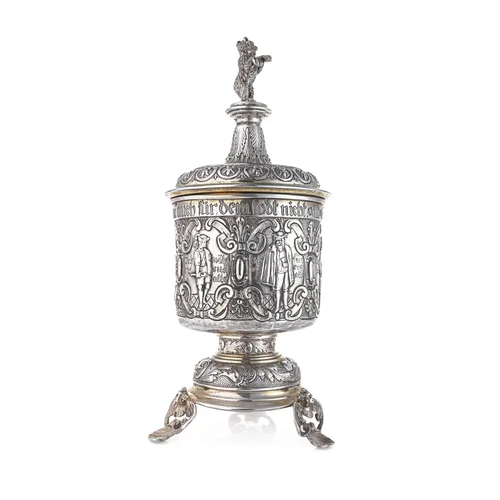 German Silver Figural Covered Cup with Bear Finial, 19th century£2,950
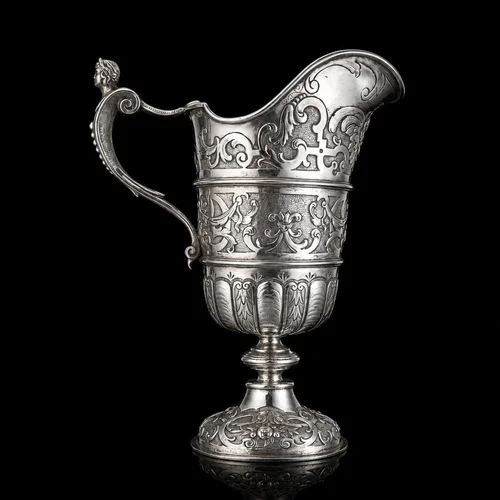
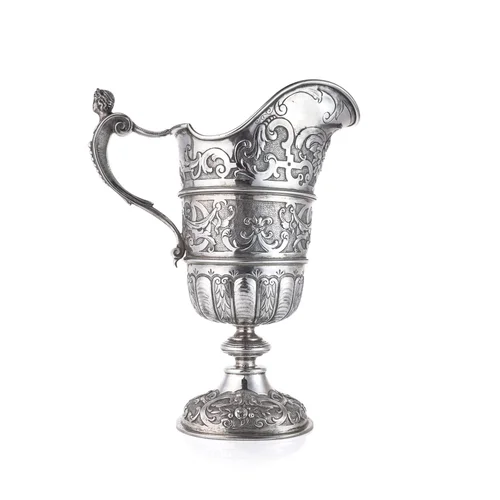 Hanau Silver Presentation Ewer, George III Revival, Late 19th Century£3,950
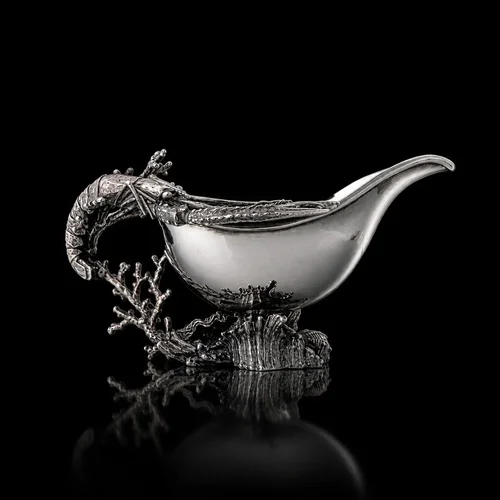
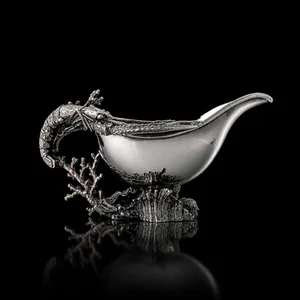
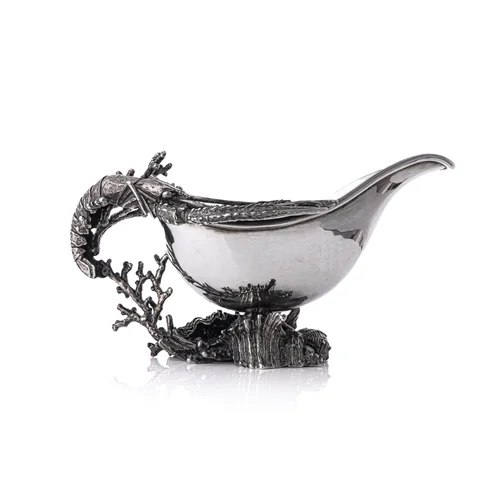 Giovanni Raspini Silver Lobster & Coral Gravy Boat Dish£5,950
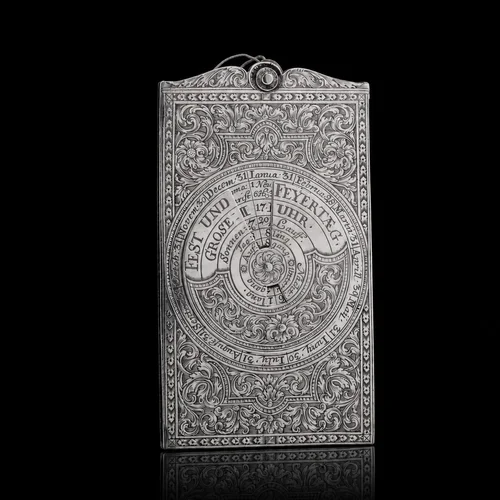
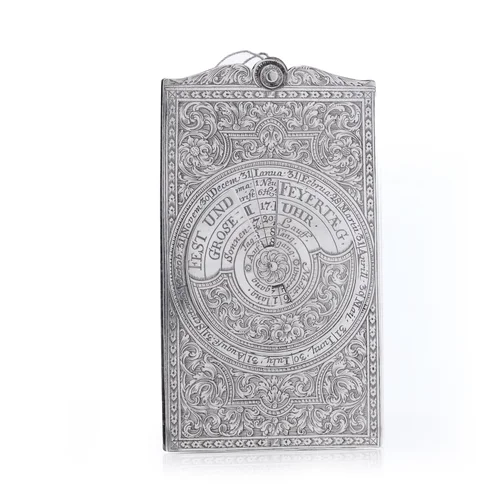 Antique 18th Century German Silver Perpetual Calendar£4,950
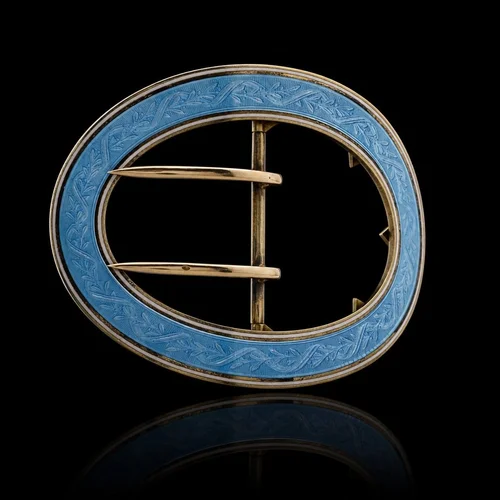
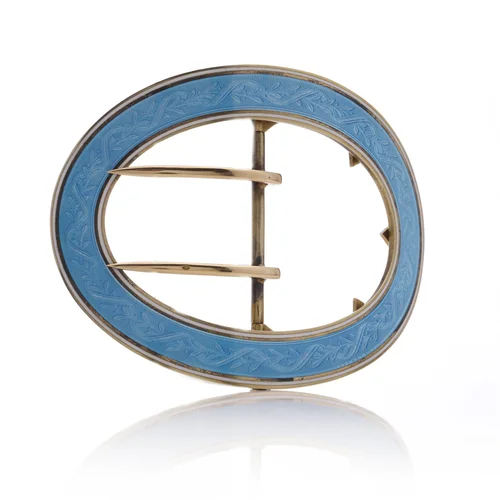 Late 19th century French 800. silver and blue enamel belt buckle£1,790
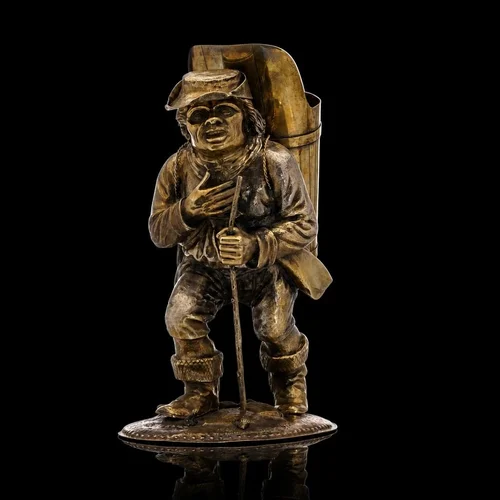
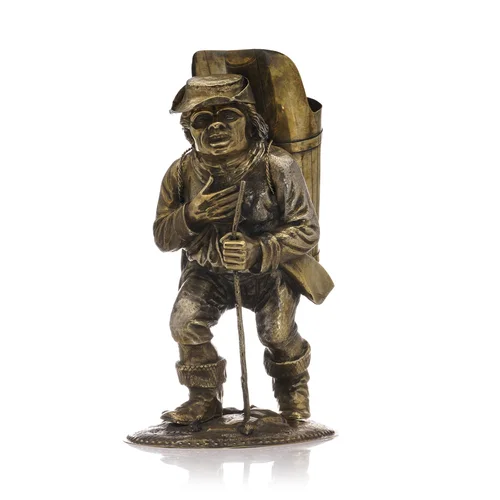 Antique 18th century silver gilt drinking cup, Germany£8,950
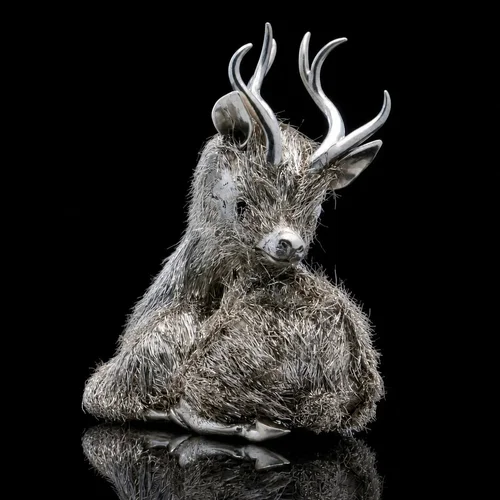
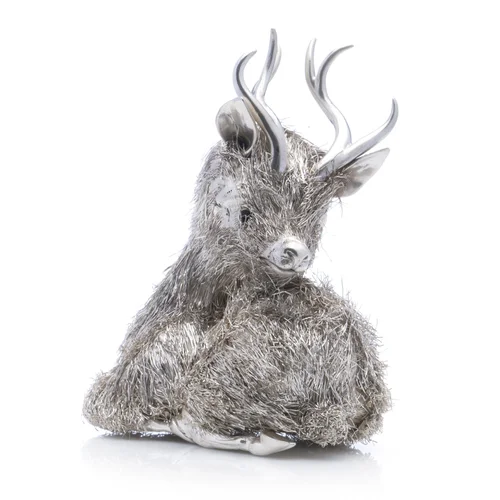 Mario Buccellati Sterling Silver Fallow Deer Figurine, Italy, 1950s£3,985
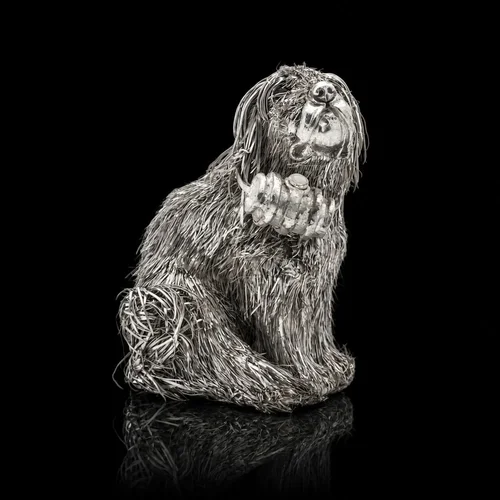
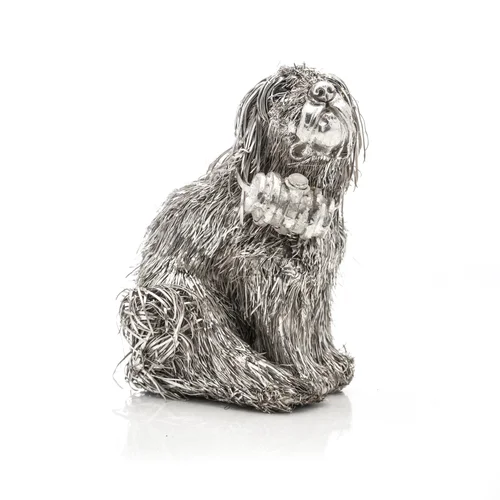 Mario Buccellati Italian sterling silver St Bernard's dog figurine.£4,950
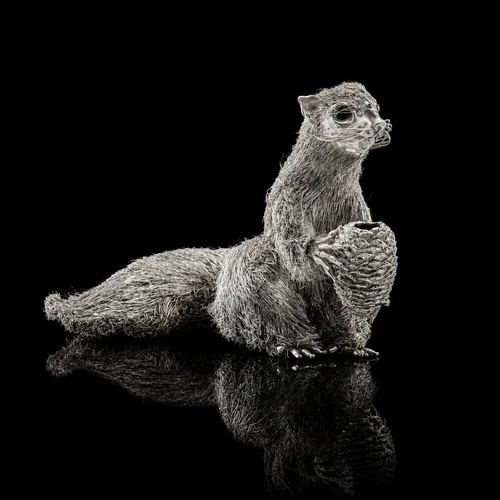
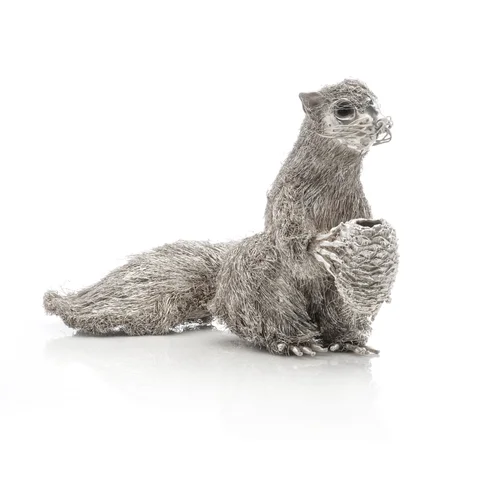 Mario Buccellati Italian sterling silver squirrel figurine.£4,950
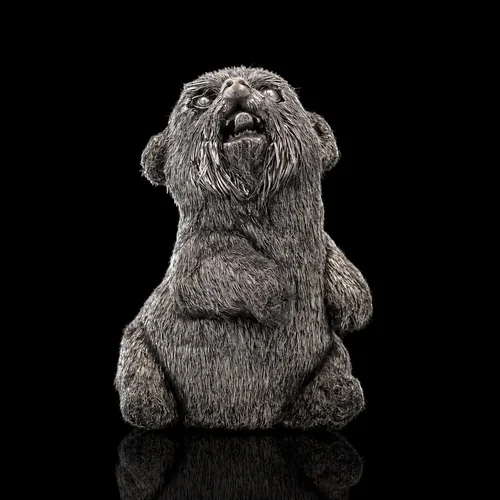
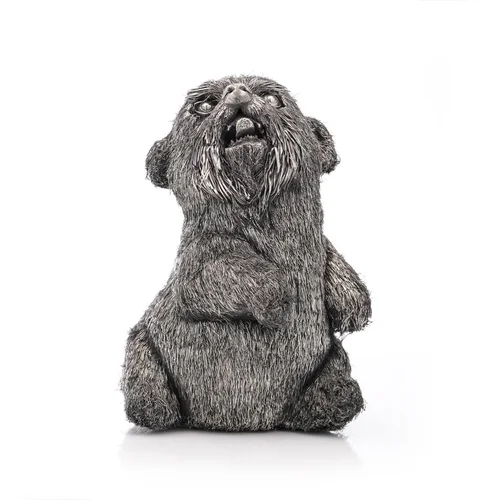 Mario Buccellati sterling silver furry cub model in a sitting pose£4,500
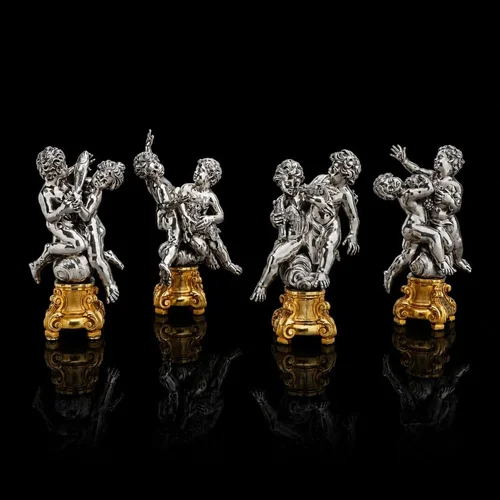
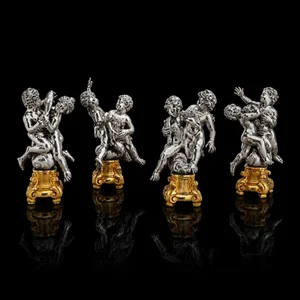
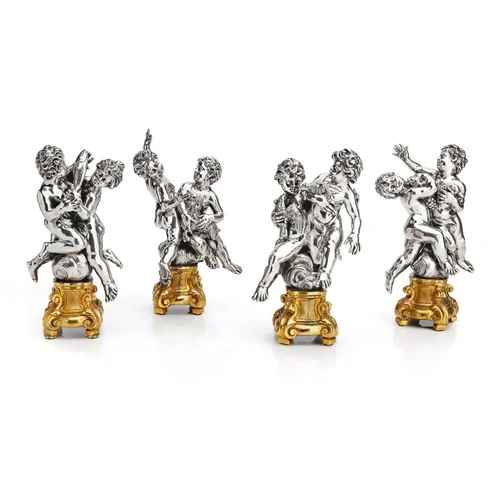 Luigi Avolio set of four 800. Italian silver and ormolu figural groups£21,850
Recently sold
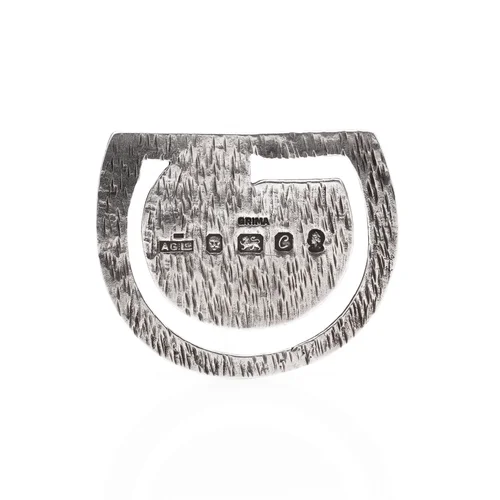 Andrew Grima vintage sterling silver money clip/book dividerSold
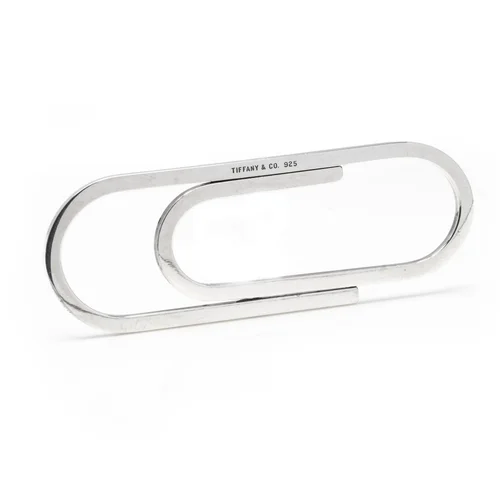 Tiffany & Co. 925 silver money clipSold
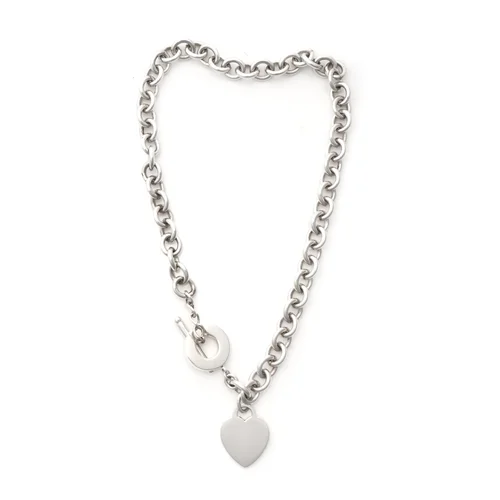 Tiffany & Co. sterling 925 silver chain necklaceSold
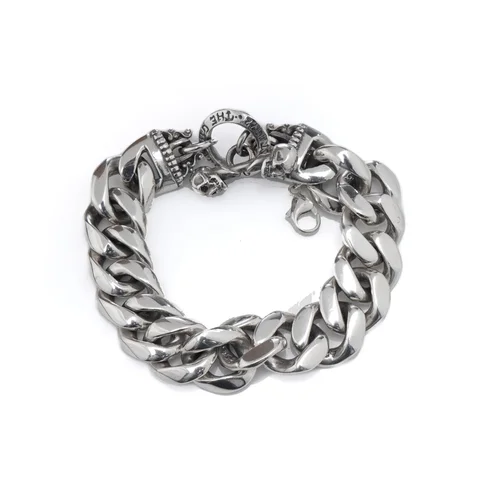 The Great Frog sterling silver 925 thick link braceletSold
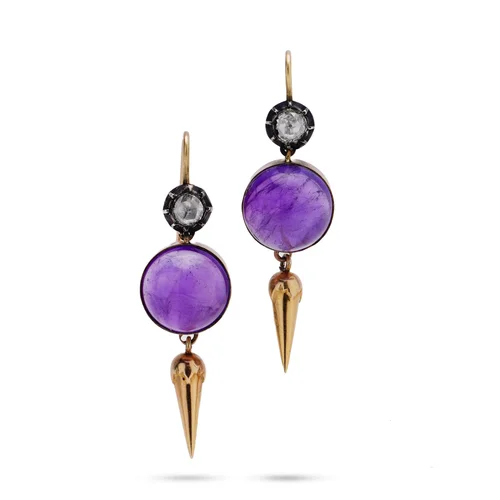 Antique Victorian 15KT gold and silver cabochon amethysts drop earringsSold
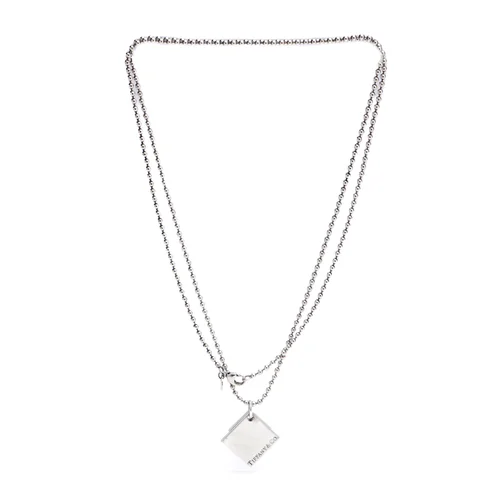 Tiffany & Co. 925 sterling silver chain necklace with two square pendantsSold
Continental standards: 800, 835 and 925
Most European countries used lower silver standards than Britain. 800, meaning 80% silver, was the most common in Germany, Italy and Austria, while the Netherlands and Belgium often used 833 or 835. Sterling, 925, became common across Europe in the 20th century. All of these are solid silver; the number is simply the silver content in thousandths.
German silver marks
From 1888 Germany used a national mark of a crescent moon and imperial crown beside the fineness number, usually 800, with the maker's mark. Earlier pieces carry town marks such as the pine cone of Augsburg or the N of Nuremberg. Note that "German silver" as a trade term means nickel silver, an alloy with no silver in it.
Hanau revival silver
In the late 19th century the town of Hanau, near Frankfurt, became famous for silver made in older styles: repoussé caskets with putti, ewers, cups and figures. Makers such as Neresheimer and Schleissner used marks designed to look like old English, Dutch or French marks, so the marks need careful reading.
French marks
France has used the Minerva head for silver since 1838, with a figure 1 for 950 standard and 2 for 800. A lozenge-shaped maker's mark completes the set. Earlier French silver carries a range of town and duty marks.
Italian silver
Italian silver since 1935 carries the fineness and a star-shaped mark with a number and province code that identifies the maker, for example MI for Milan or FI for Florence. Buccellati, founded in Milan in 1919, is known for engraved textured surfaces.
Dutch and Belgian silver
Dutch silver uses a lion for the standard and a letter for the year, and from 1814 a national system of marks. Much Dutch silver of the 19th and 20th centuries was made in older styles, and some was later marked for import into Britain, so a piece may carry both Dutch marks and British import marks.
Import marks in Britain
Foreign silver sold in Britain after 1904 was required to carry British import hallmarks, which include the letter F in an oval. A continental piece with these marks was assayed in Britain, and the marks date its import, not its making.
Questions
What is continental silver?
Continental silver is the British trade term for silver made in mainland Europe. It is often of a lower standard than sterling, such as 800 or 835, and carries the marks of its own country rather than British hallmarks.
Is 800 silver real silver?
Yes. 800 silver is 80% pure silver alloyed with copper, and it was the main standard in Germany and Italy. Sterling is 92.5% silver. Both are solid silver, and both tarnish and polish in the same way.
What is the difference between silver and Italian silver?
"Italian silver" simply means silver made in Italy. It is usually stamped 925 (sterling) or 800, with a star-shaped producer's mark. Its quality depends on the maker, not the country.
What does a crescent and crown mean on silver?
A crescent moon and crown is the German national silver mark used from 1888. It appears next to the fineness, usually 800 or 835, and the maker's mark, and shows the piece is solid silver of that standard.