Silver Coins
Silver coins for collectors: Queen Victoria crowns, Morgan and Peace silver dollars, United States commemorative proof dollars, British and Canadian commemorative crowns, and modern 1oz silver coins from the Royal Canadian, Perth and Rand mints.
5.0 by our buyers on Google · 4,000+ customers
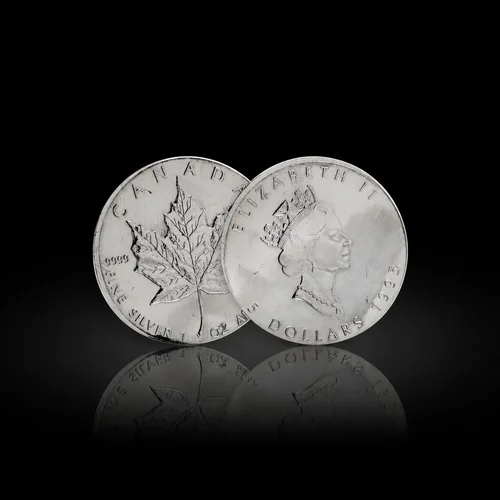
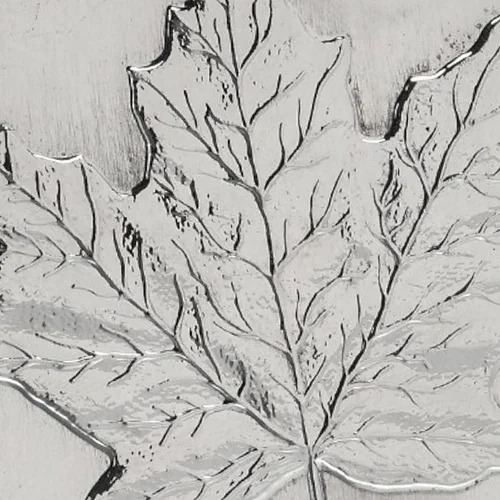 Canadian Silver Maple Leaf 1995 1oz Fine Silver Coin, Royal Canadian Mint Five Dollars£395
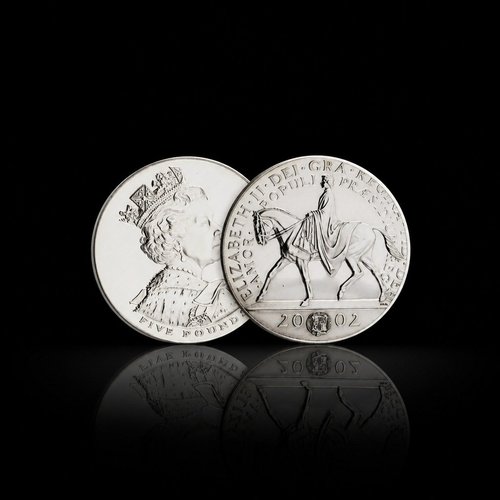
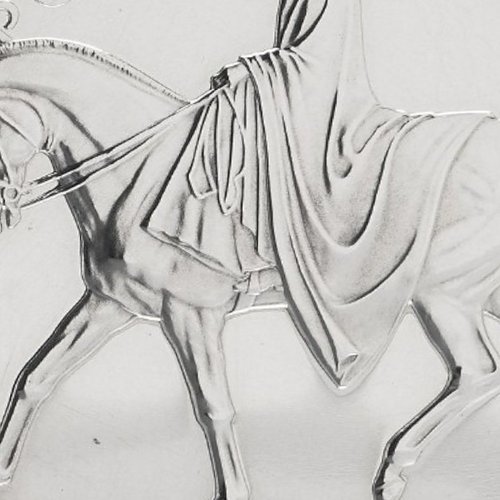 Golden Jubilee 2002 Five Pound Crown, Queen Elizabeth II Equestrian Portrait£195
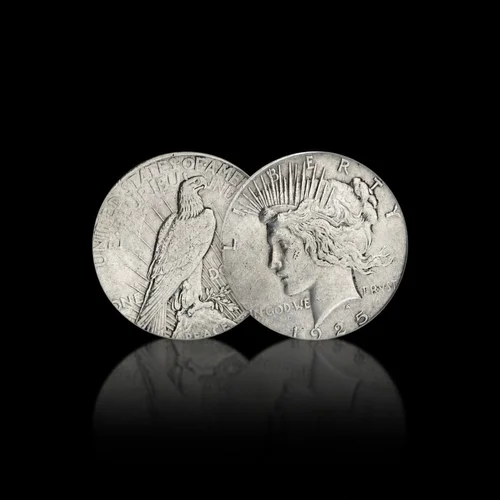
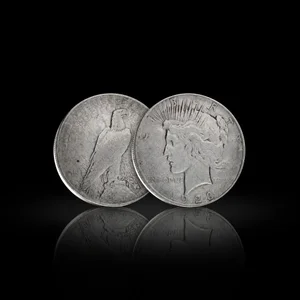
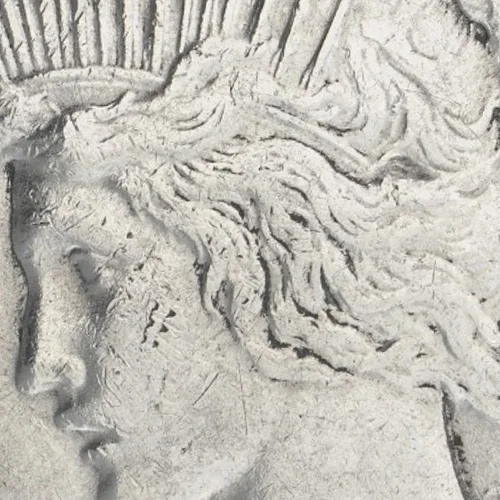 Peace Silver Dollar 1925, United States 90 Percent Silver Coin£195
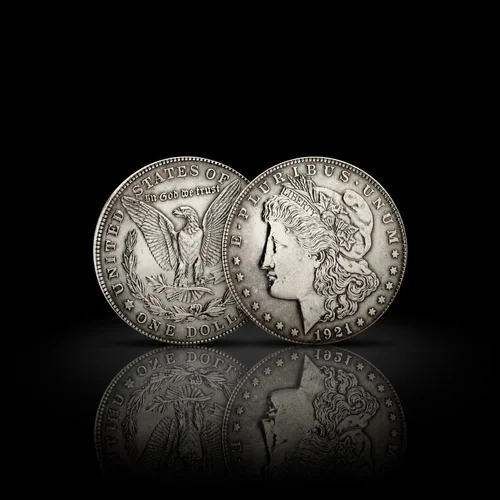
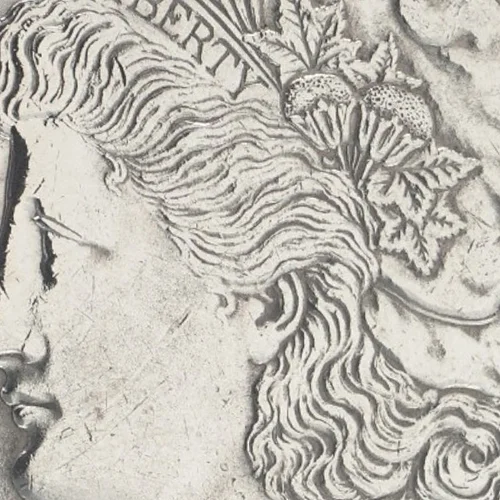 Morgan Silver Dollar 1921, United States 90 Percent Silver Coin£195
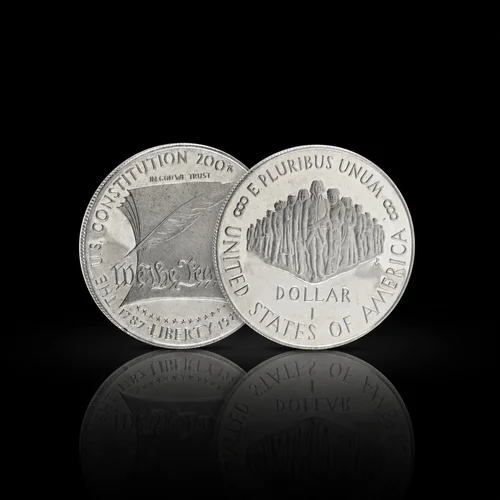
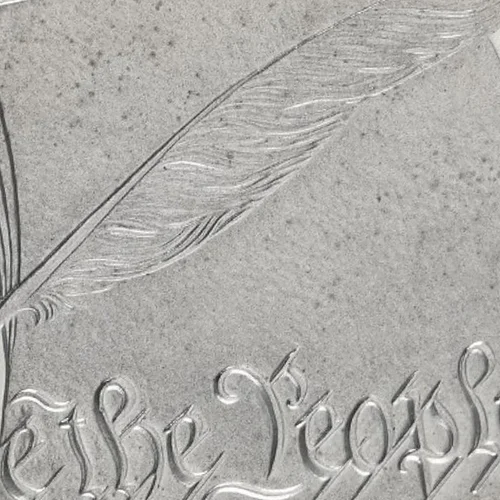 United States Constitution Bicentennial 1987 Silver Dollar, US Commemorative Coin£195
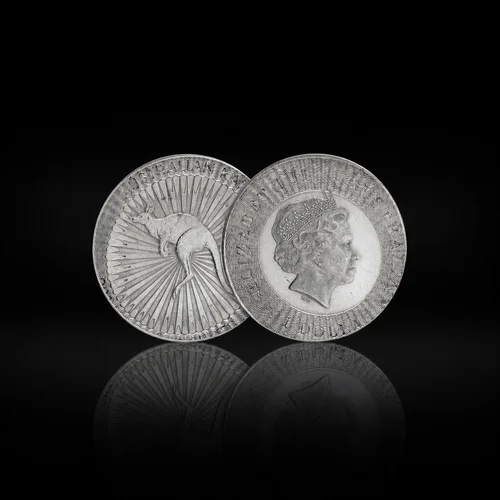
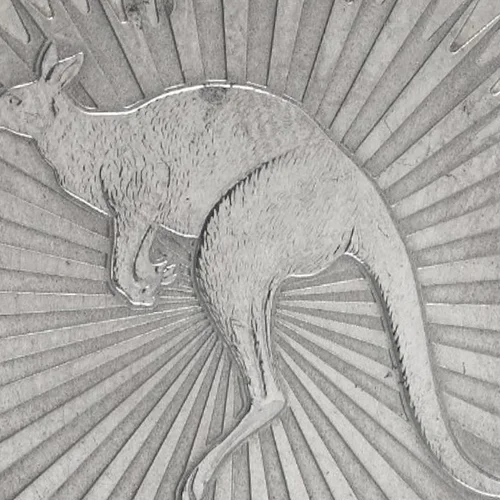 Australian Kangaroo 2016 1oz Fine Silver Coin, Perth Mint One Dollar£195
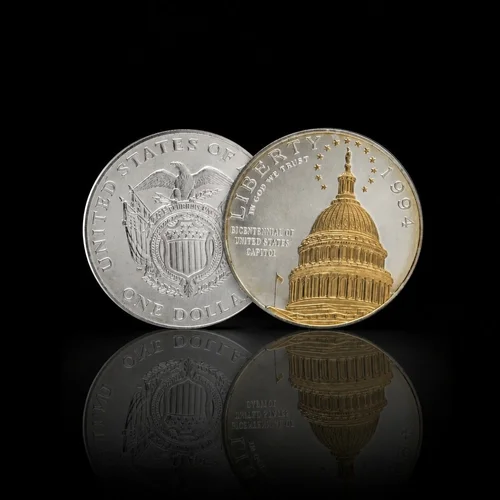
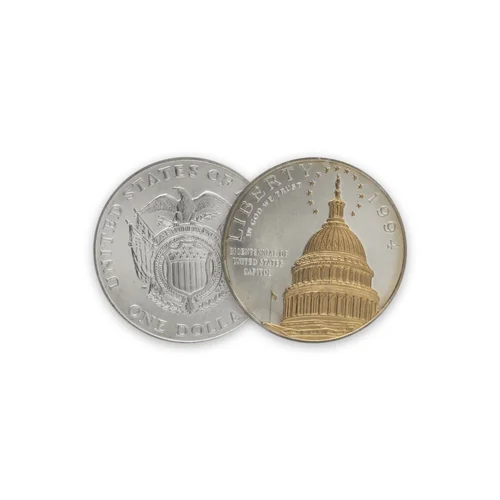 United States Capitol Bicentennial 1994 Gold Highlighted Silver Dollar, US Commemorative Coin£295
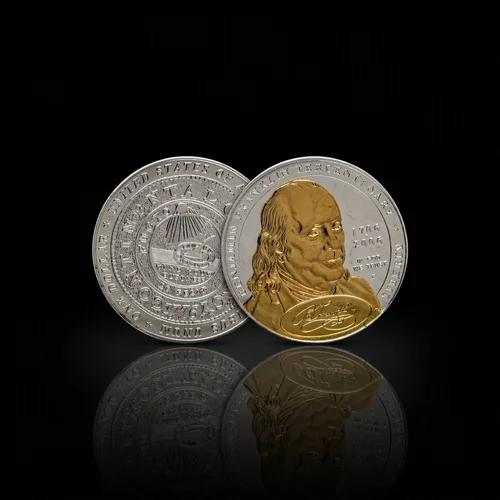
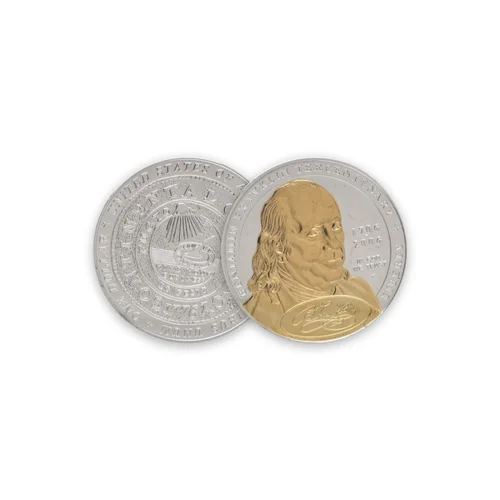 Benjamin Franklin Tercentenary 2006 Gold Highlighted Silver Dollar, Founding Father US Commemorative Coin£295
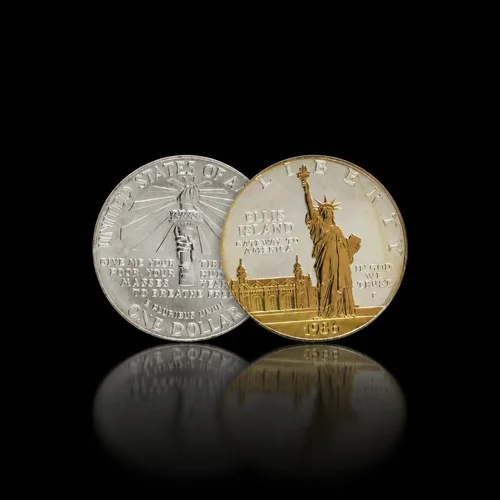
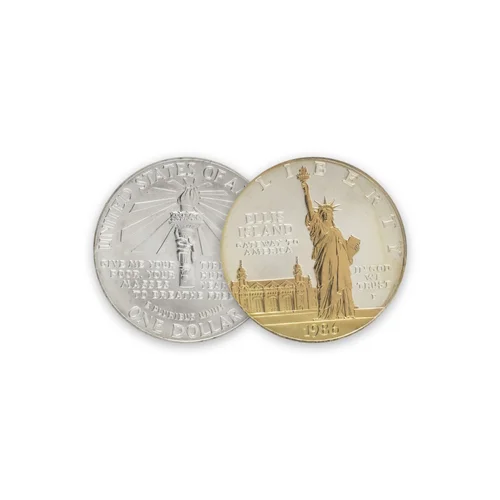 Statue of Liberty Ellis Island 1986 Gold Highlighted Silver Dollar, US Commemorative Coin£295
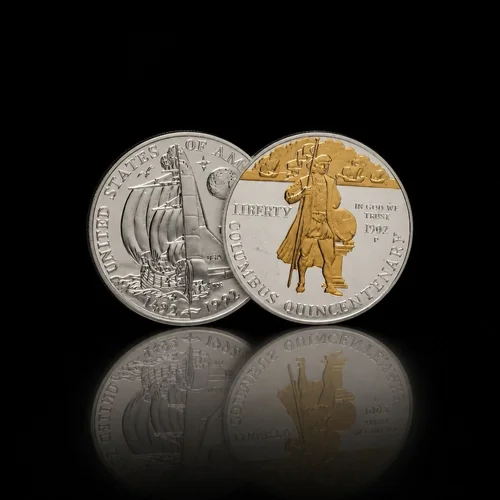
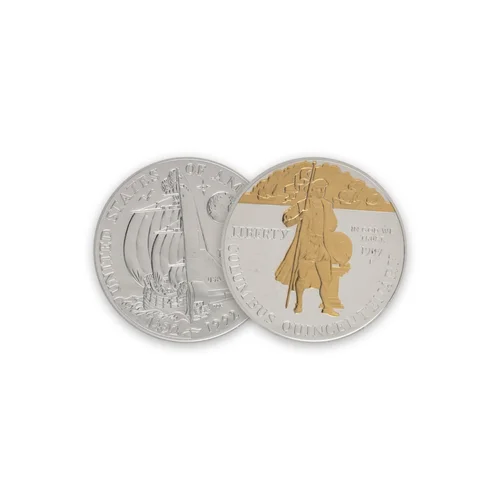 Columbus Quincentenary 1992 Gold Highlighted Silver Dollar, US Commemorative Coin£295
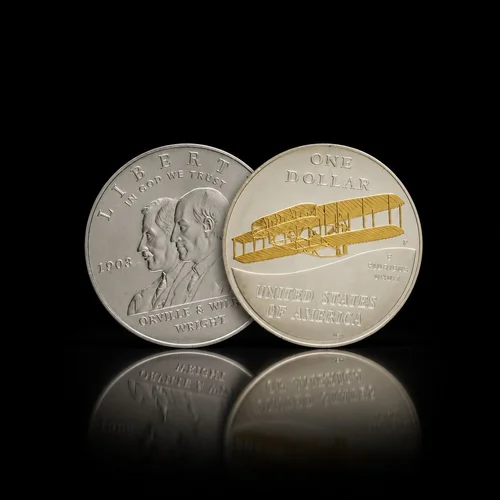
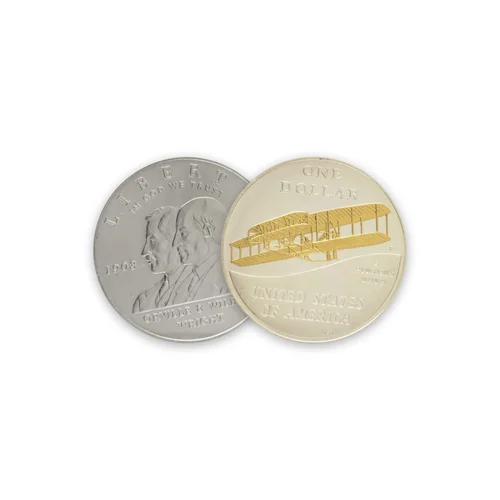 First Flight Centennial 2003 Gold Highlighted Silver Dollar, Wright Brothers US Commemorative Coin£295
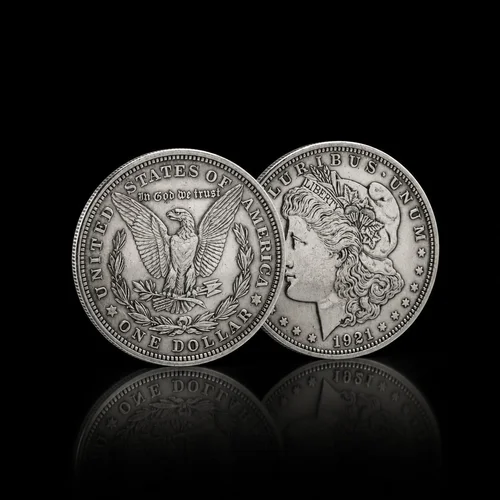
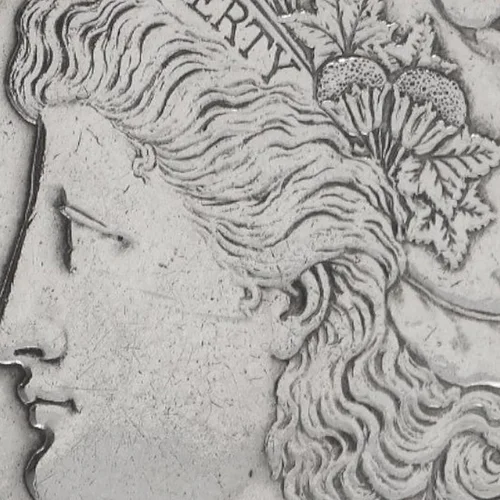 Morgan Silver Dollar 1921, Final Year United States 90 Percent Silver Coin£195
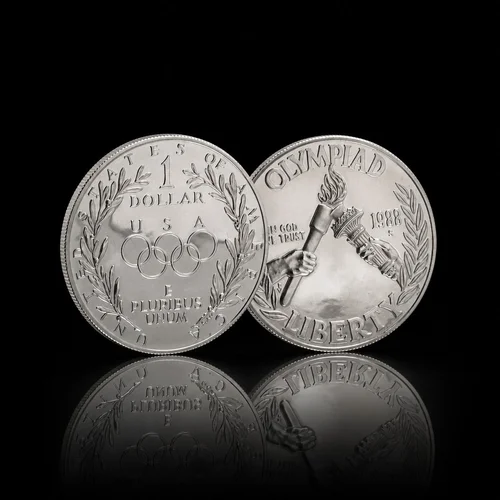
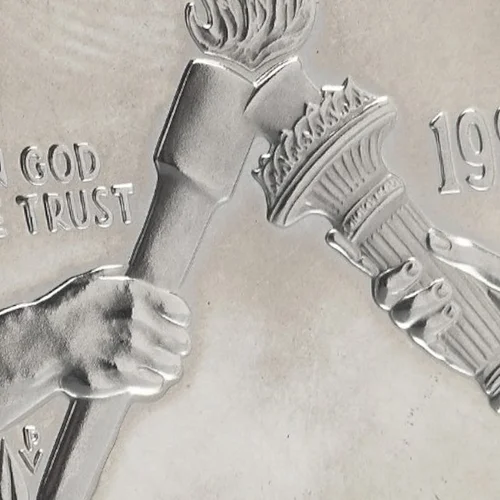 Seoul 1988 Olympic Silver Dollar, United States Commemorative Proof Coin£195
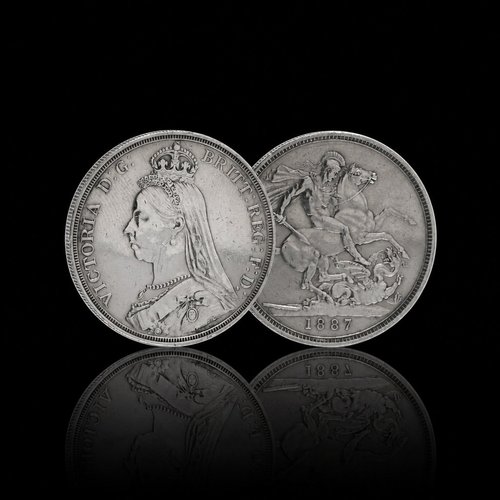
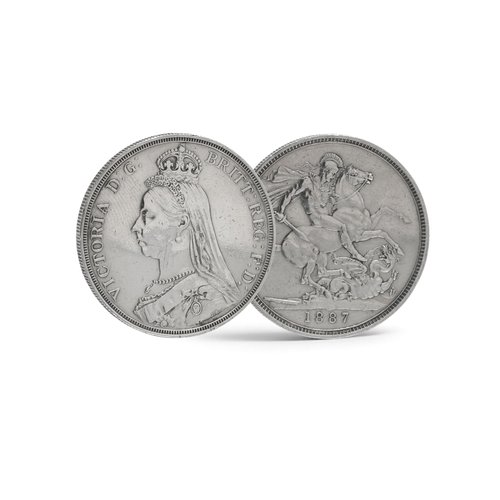 Queen Victoria Jubilee Head Silver Crown 1887, First Year British Sterling Silver Coin£195
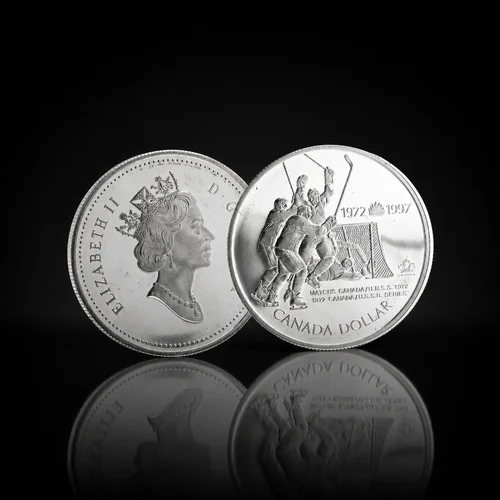
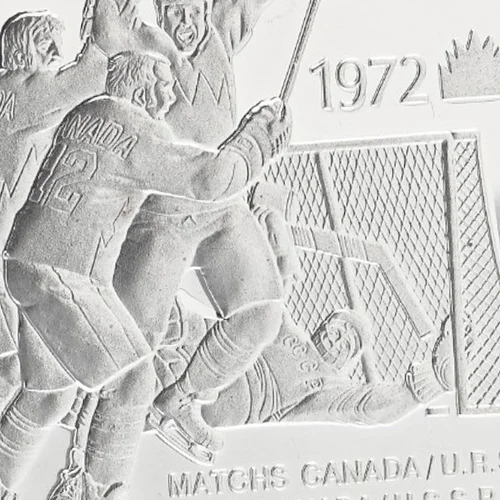 Canada 1997 Summit Series Silver Dollar, 25th Anniversary Canada USSR Hockey£195
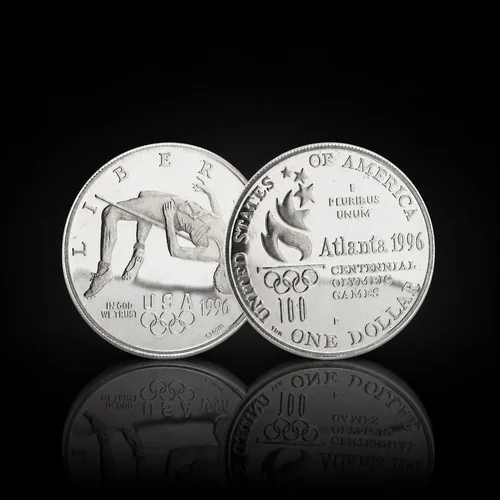
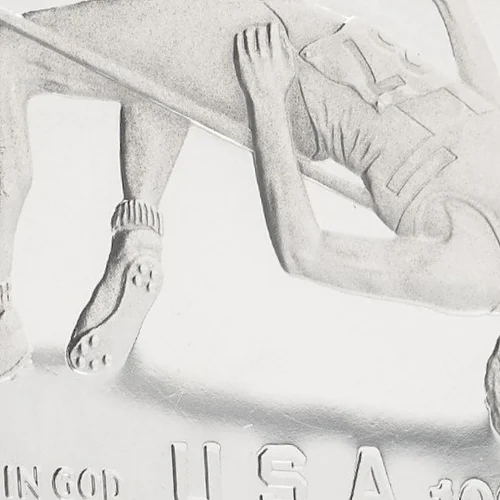 Atlanta 1996 Olympic High Jump Silver Dollar, US Commemorative Proof Coin£195
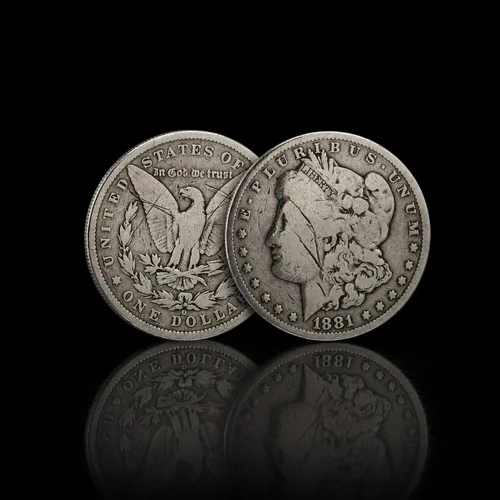
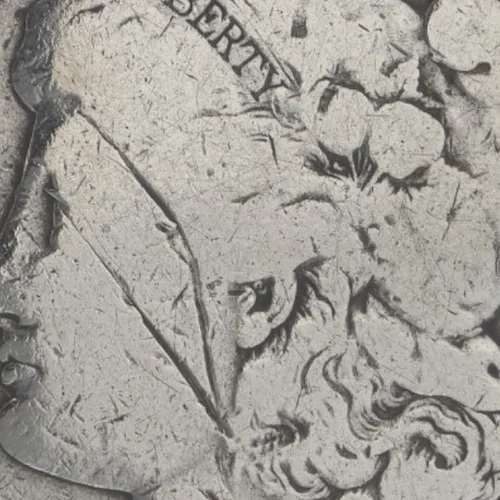 Morgan Silver Dollar 1881 O New Orleans, United States 90 Percent Silver Coin£245
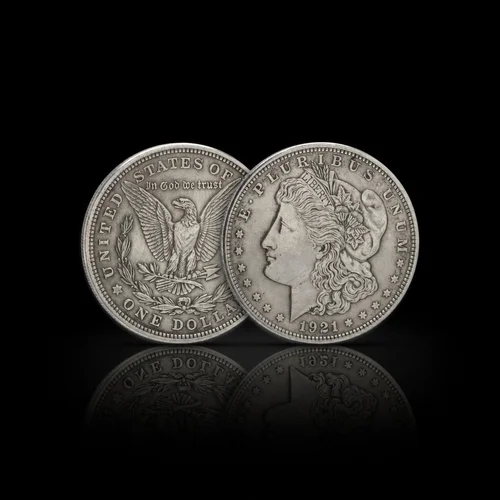
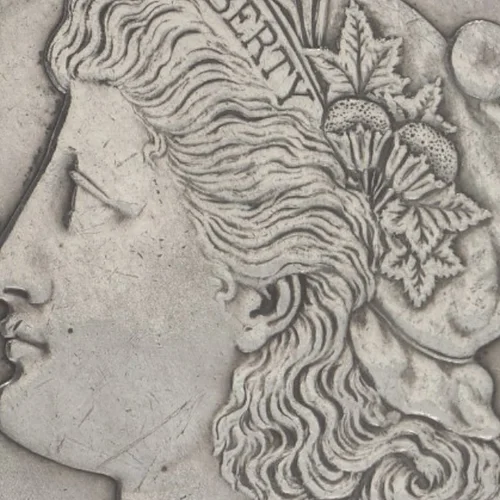 Morgan Silver Dollar 1921, Final Year of Issue United States Silver Coin£195
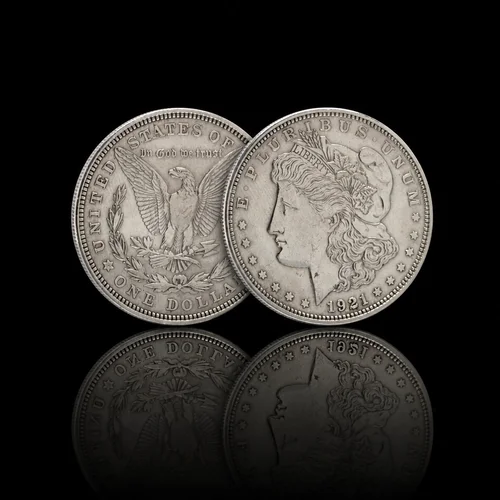
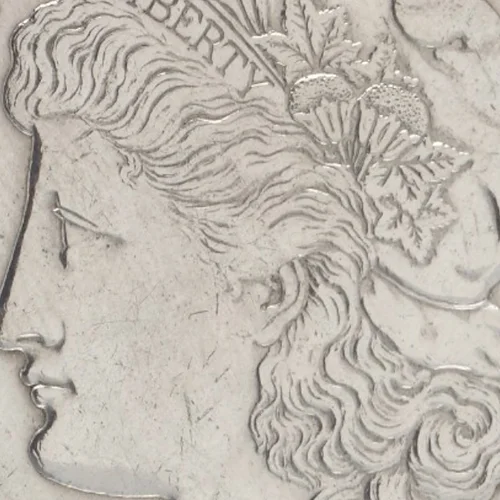 Morgan Silver Dollar 1921 D Denver, Only Denver Morgan Dollar Ever Struck£375
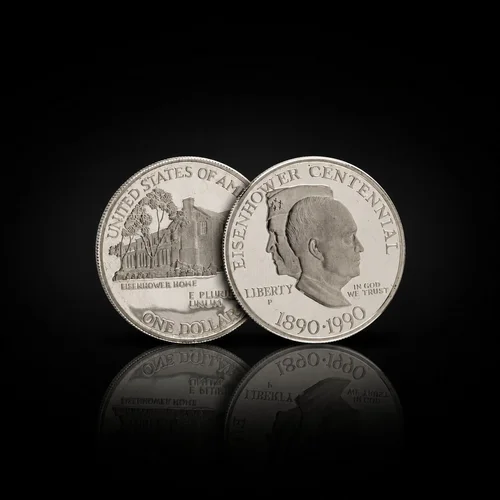
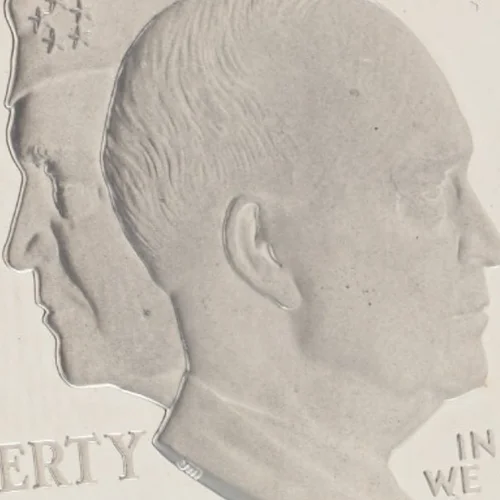 Eisenhower Centennial Silver Dollar 1990, United States Commemorative Proof Coin£195
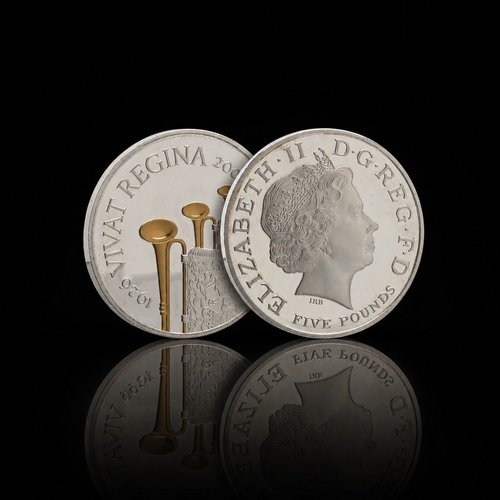
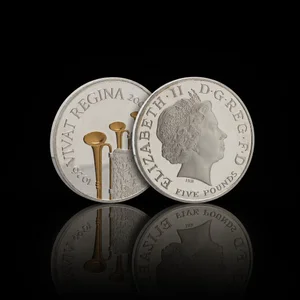
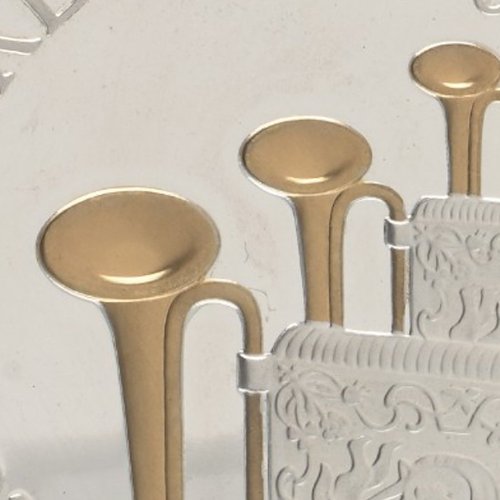 Queen Elizabeth II 80th Birthday 2006 Silver Piedfort Five Pounds, Gold Plated Proof£595
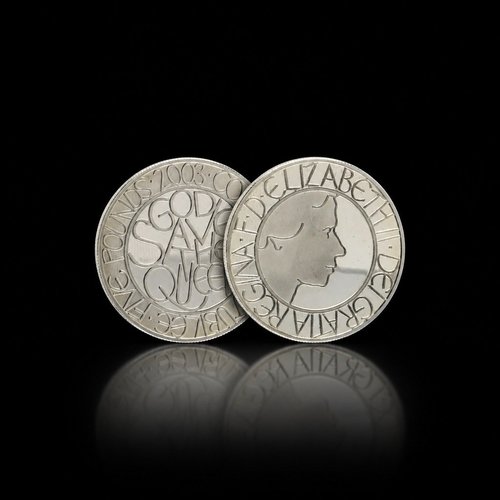
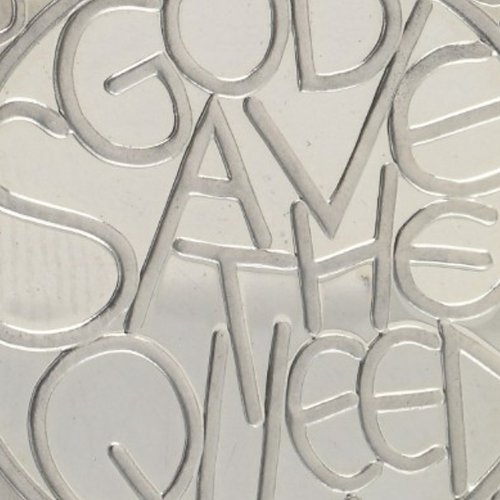 Coronation Jubilee 2003 Five Pound Crown, Queen Elizabeth II Golden Jubilee of Coronation£195
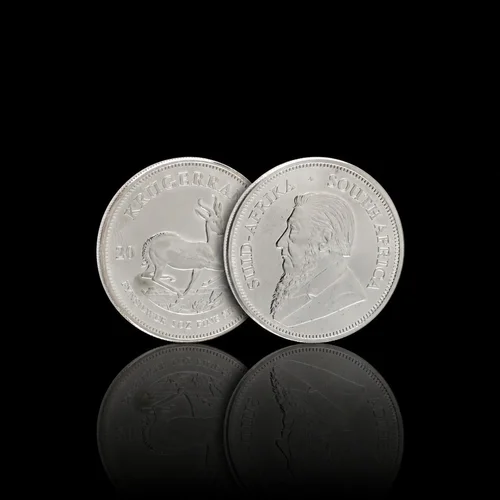
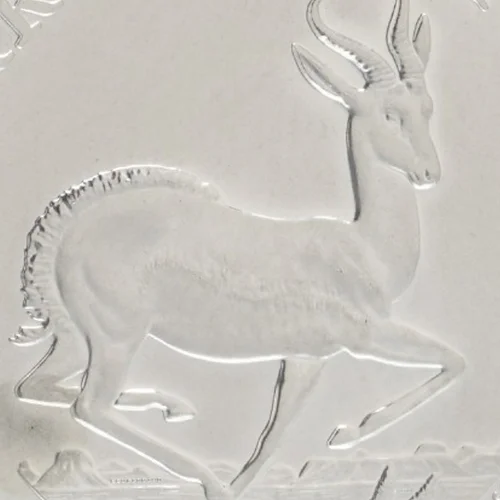 South Africa Silver Krugerrand 2018 1oz Fine Silver Coin, Rand Refinery£195
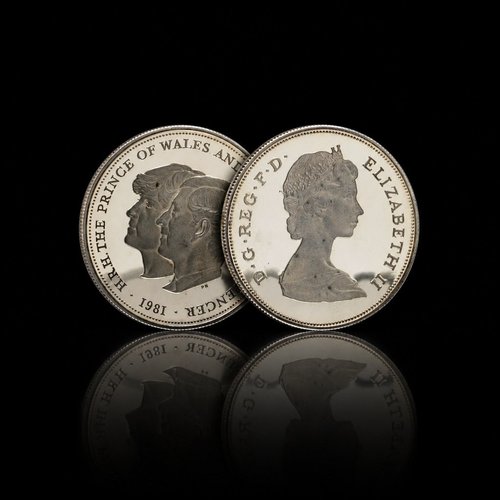
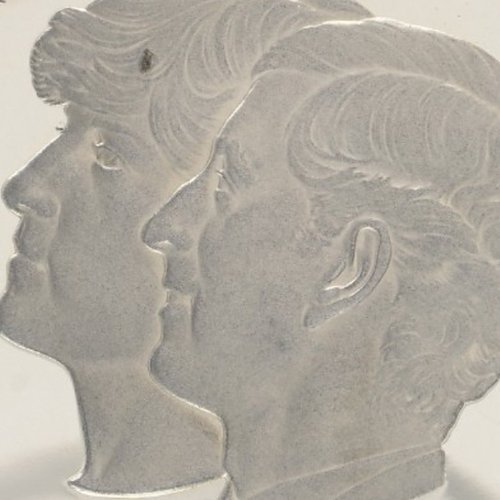 Charles and Diana Royal Wedding Crown 1981, Prince of Wales Commemorative Coin£195
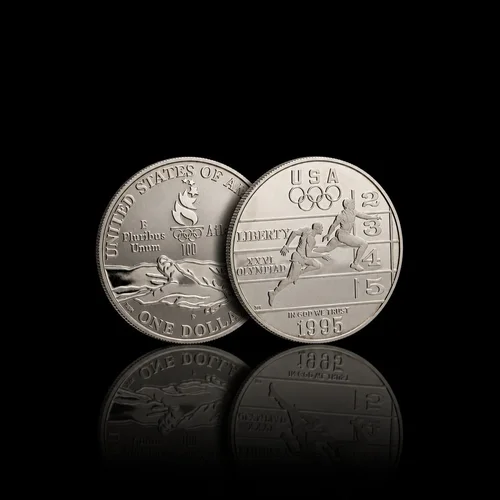
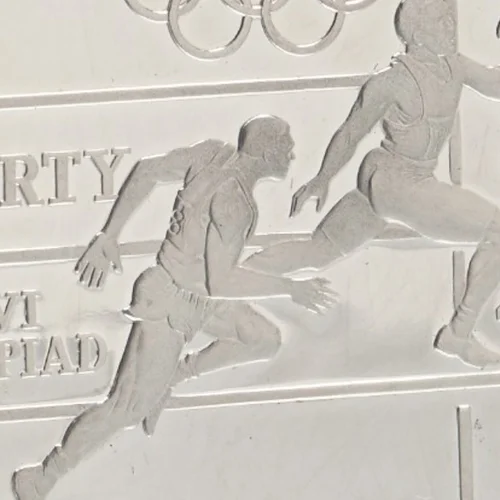 Atlanta 1996 Olympic Track and Field Silver Dollar 1995, US Commemorative Proof Coin£195
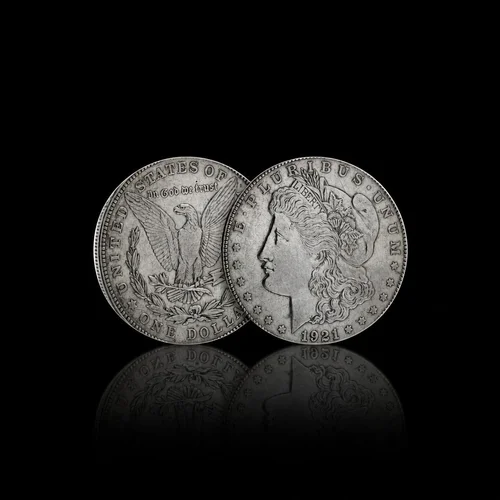
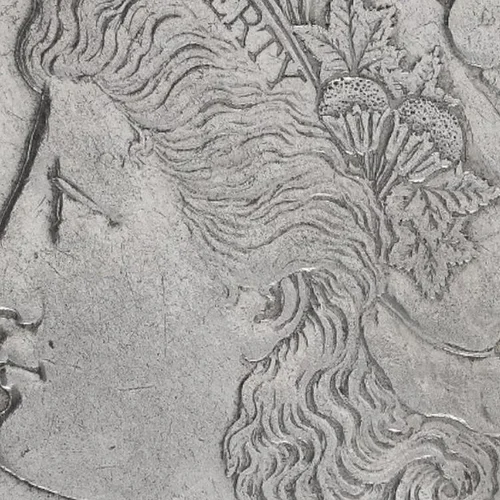 Morgan Silver Dollar 1921 D Denver, Only Denver Morgan Ever Struck£375
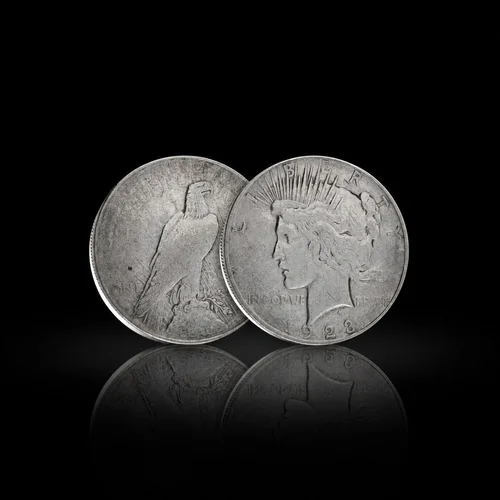
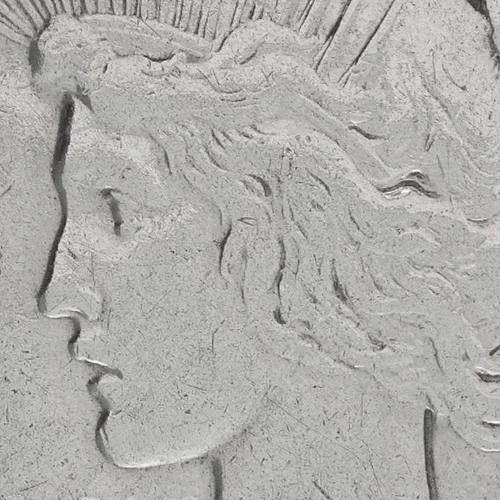 Peace Silver Dollar 1926 D Denver, Semi Key Date United States Silver Coin£550
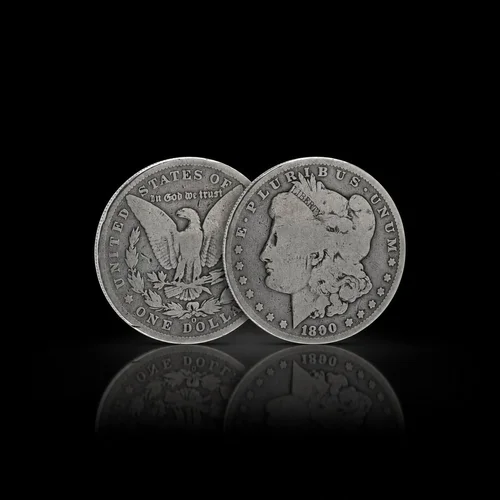
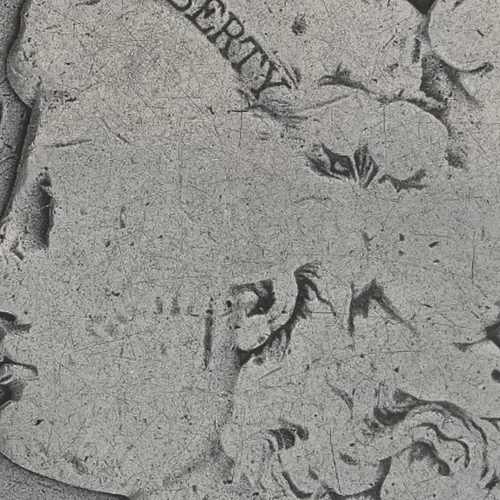 Morgan Silver Dollar 1900 O New Orleans, American 90 Percent Silver Coin£195
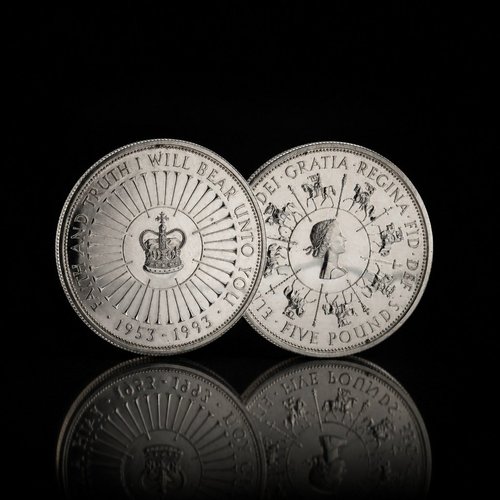
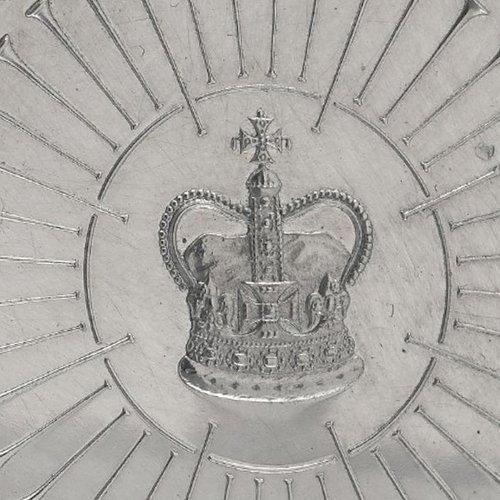 Coronation 40th Anniversary 1993 Five Pound Crown, Queen Elizabeth II£195
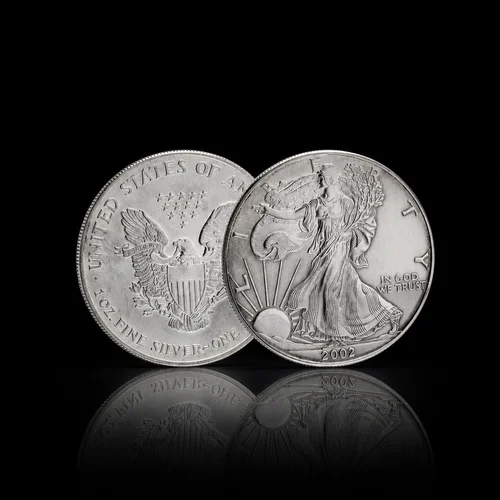
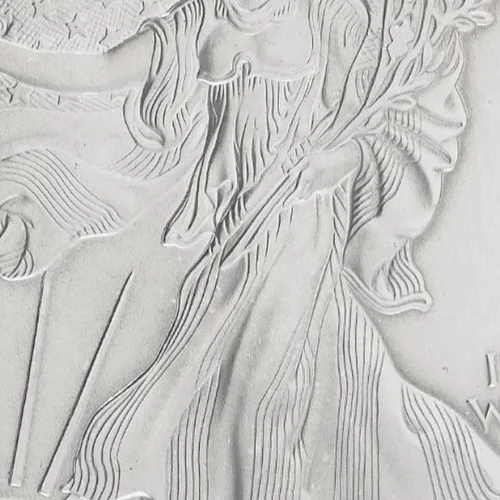 American Silver Eagle 2002 1oz Fine Silver Dollar, US Mint Bullion Coin£195
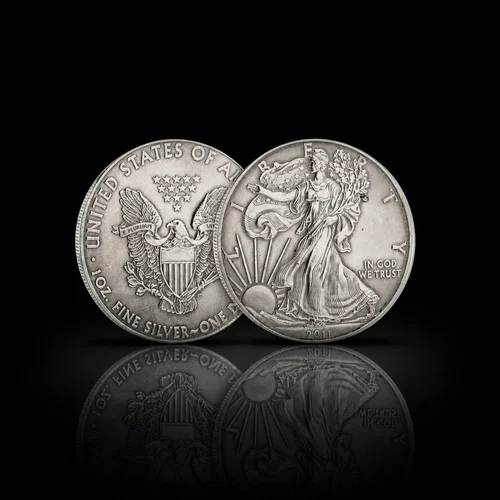
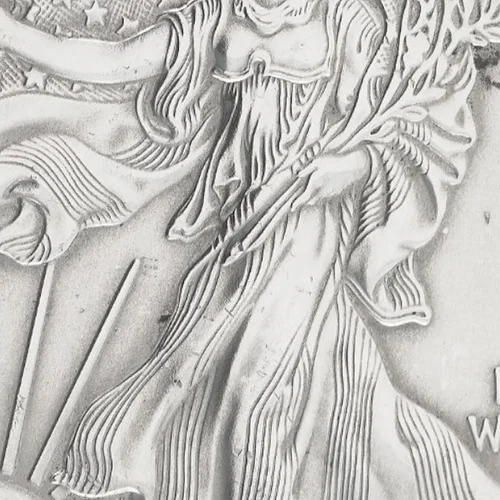 American Silver Eagle 2011 1oz Fine Silver Dollar, United States Mint Bullion Coin£195
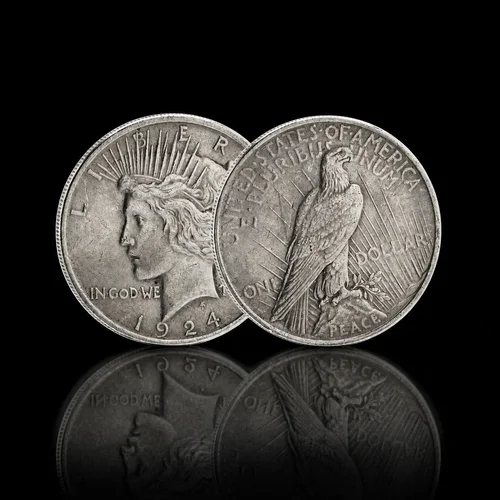
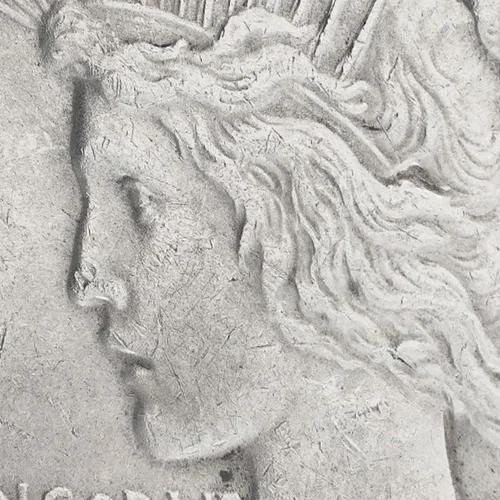 Peace Silver Dollar 1924, United States 90 Percent Silver Coin£195
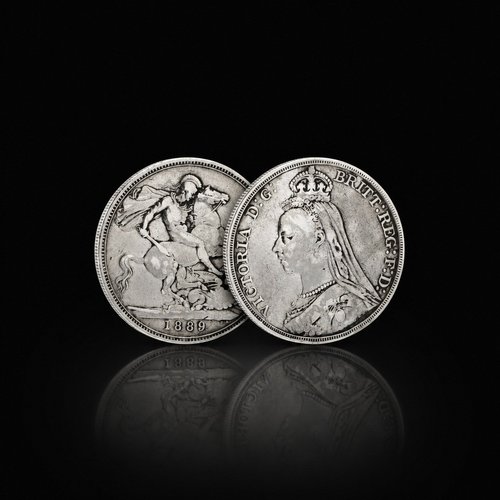
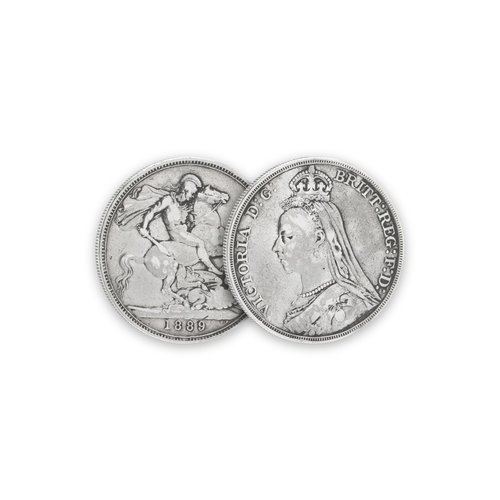 Queen Victoria Jubilee Head Silver Crown 1889, British Sterling Silver Coin£195
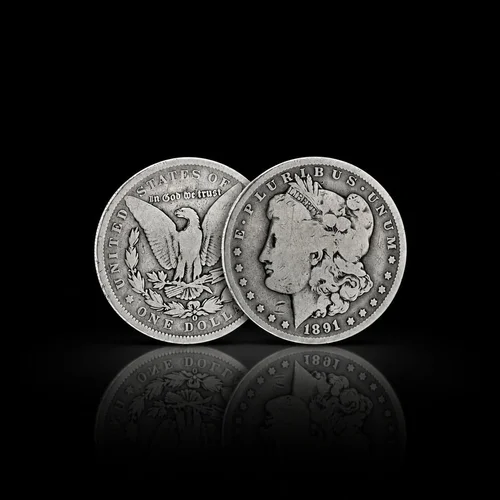
 Morgan Silver Dollar 1891 O New Orleans, United States Antique Silver Coin£245
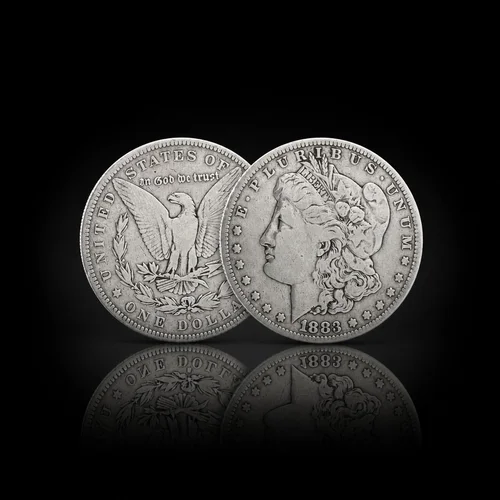
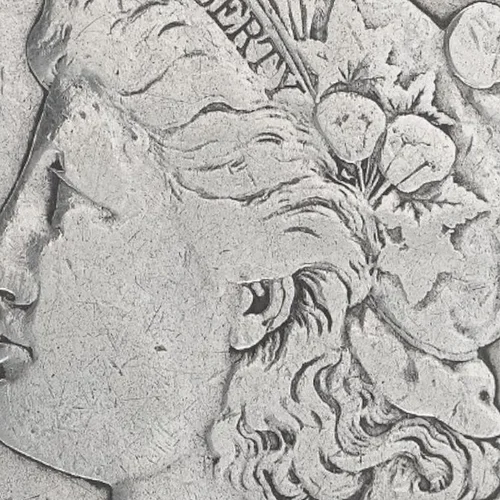 Morgan Silver Dollar 1883, United States 90 Percent Silver Coin£195
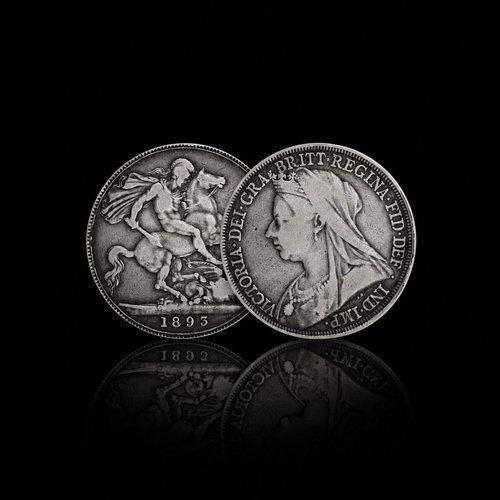
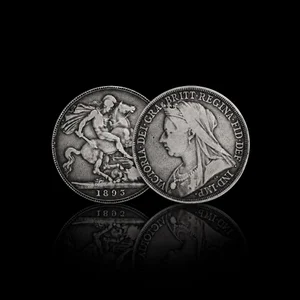
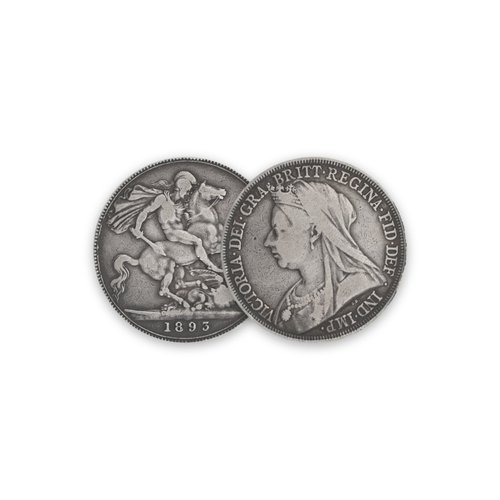 Queen Victoria Old Head Silver Crown 1893, First Year British Sterling Silver Coin£450
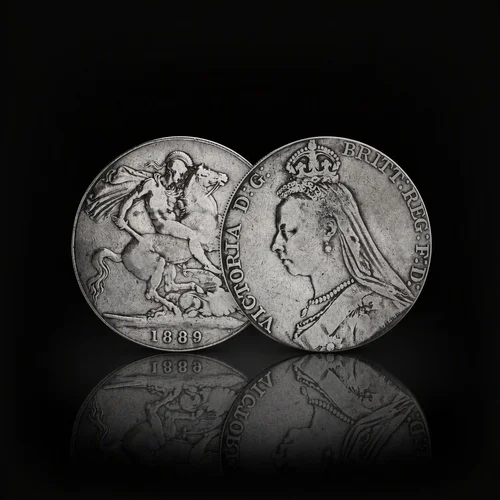
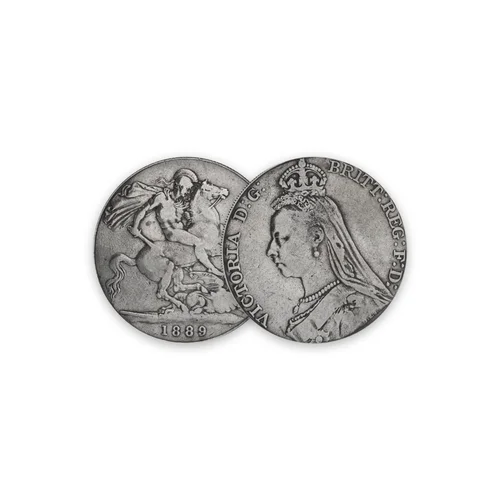 Queen Victoria Jubilee Head Silver Crown 1889, British Sterling Silver Coin£195
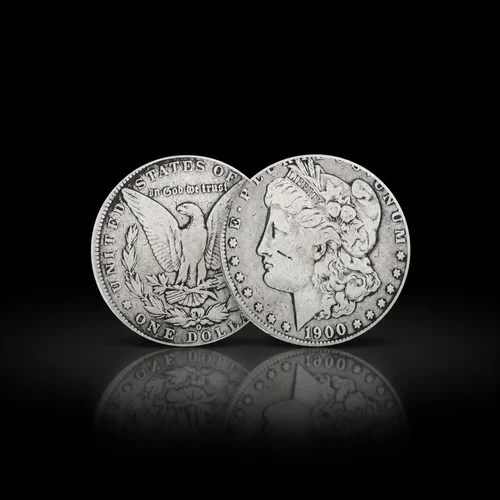
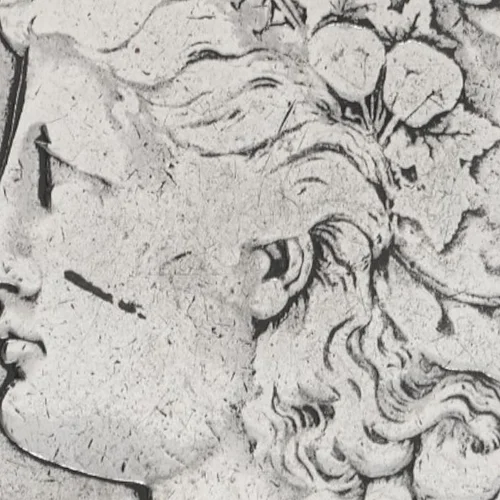 Morgan Silver Dollar 1900 O New Orleans, United States 90 Percent Silver Coin£195
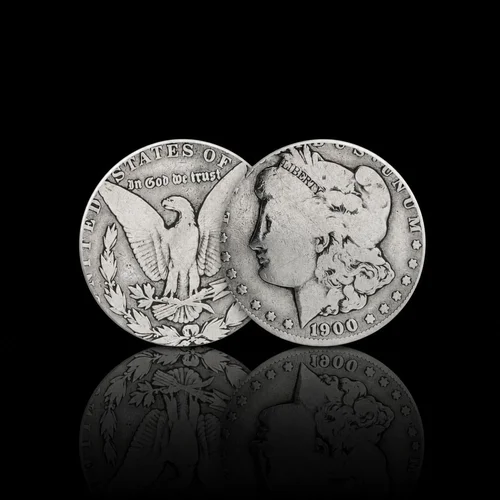
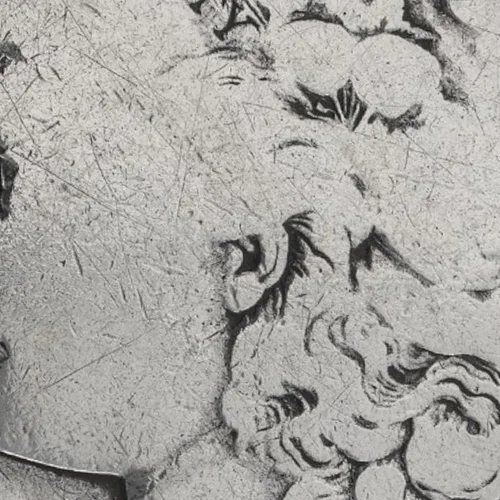 Morgan Silver Dollar 1900 O New Orleans Mint, American 90 Percent Silver Dollar£195
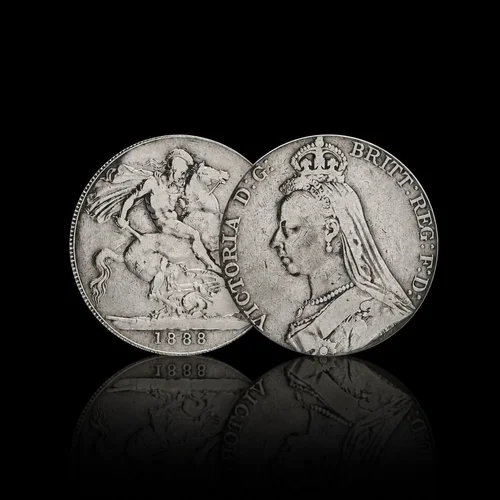
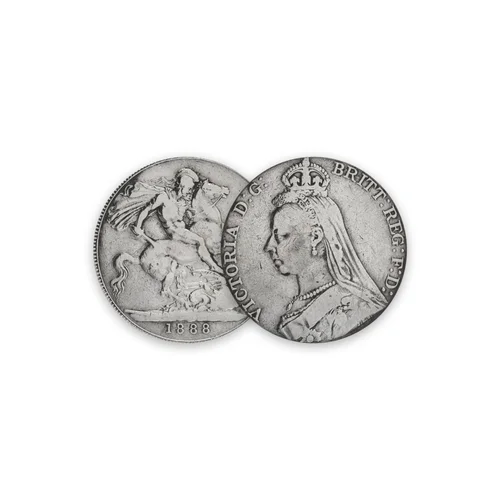 Queen Victoria Jubilee Head Silver Crown 1888, British Sterling Silver Coin£195
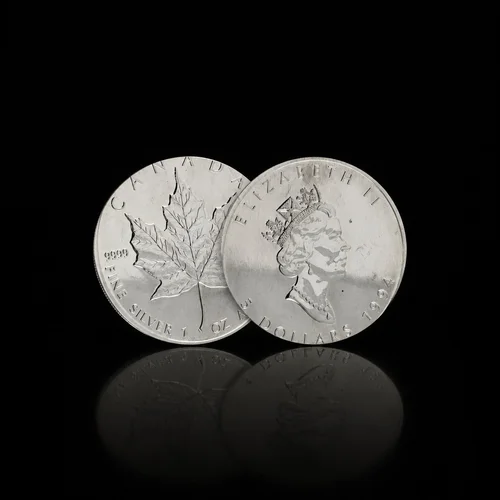
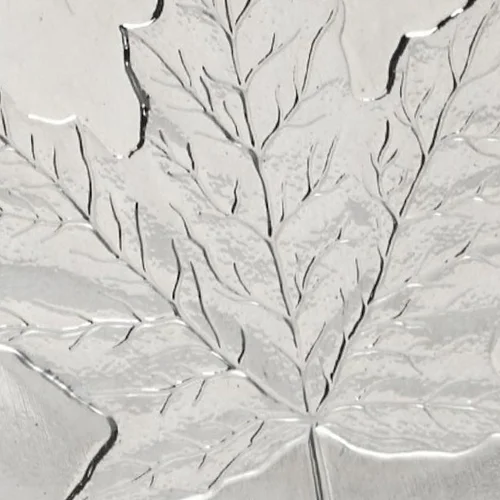 Canadian Silver Maple Leaf 1994 1oz Fine Silver Coin, Royal Canadian Mint Five Dollars£245
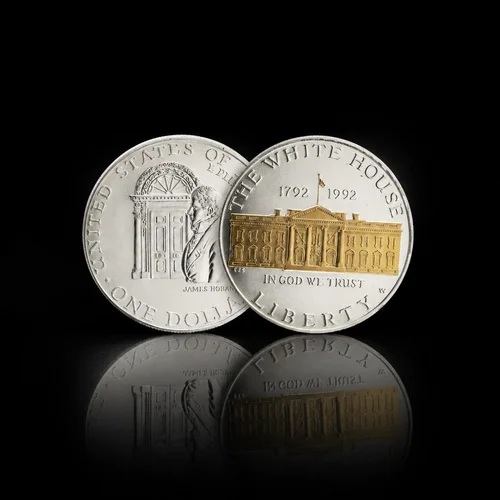
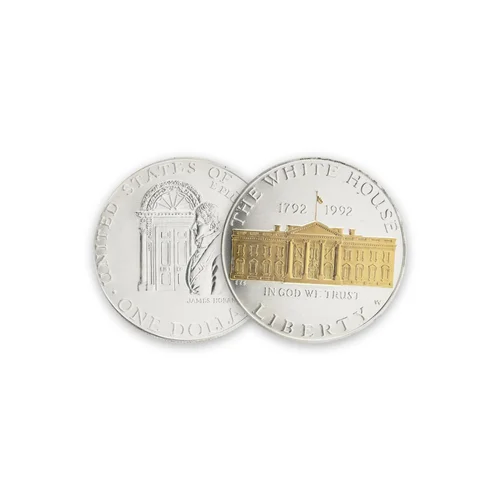 White House Bicentennial 1992 Gold Highlighted Silver Dollar, US Commemorative Coin£295
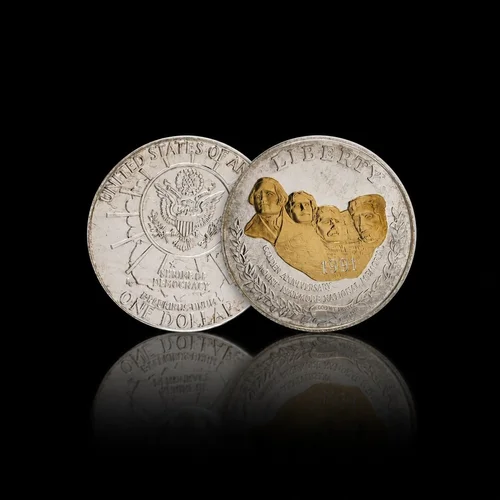
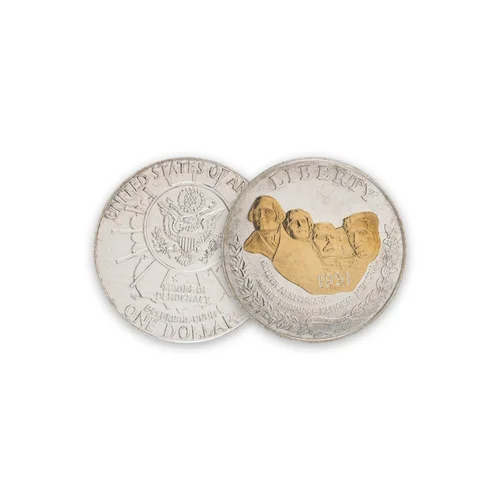 Mount Rushmore Golden Anniversary 1991 Gold Highlighted Silver Dollar, US Commemorative Coin£295
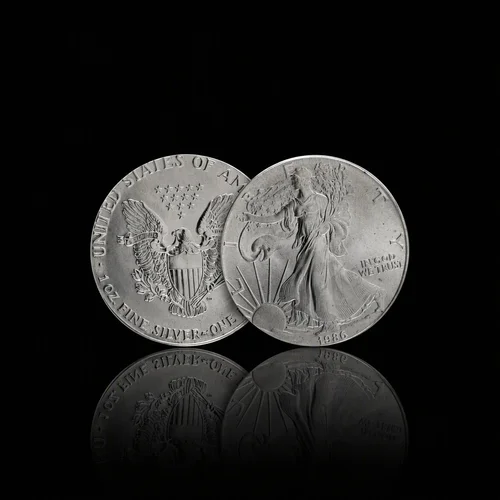
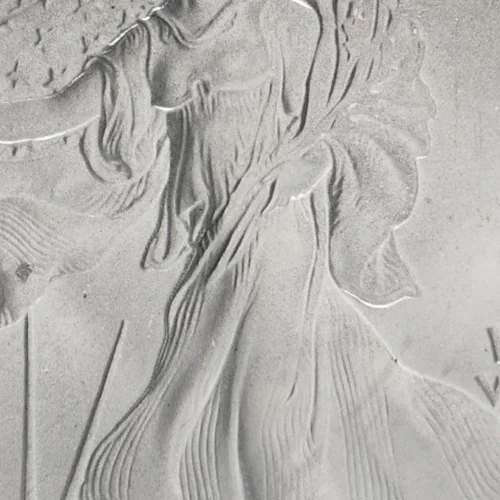 American Silver Eagle 1986 1oz Fine Silver Dollar, First Year of Issue£295
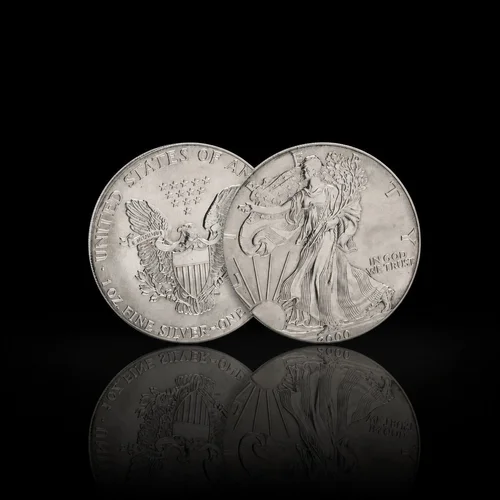
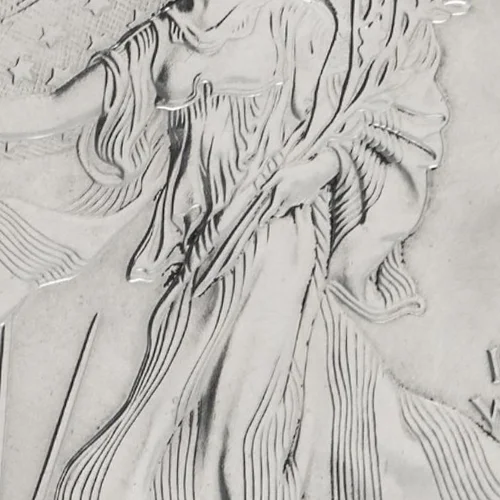 American Silver Eagle 2000 1oz Fine Silver Dollar, United States Mint Bullion Coin£195
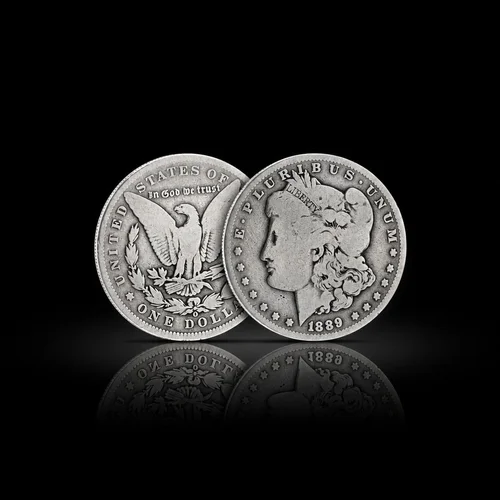
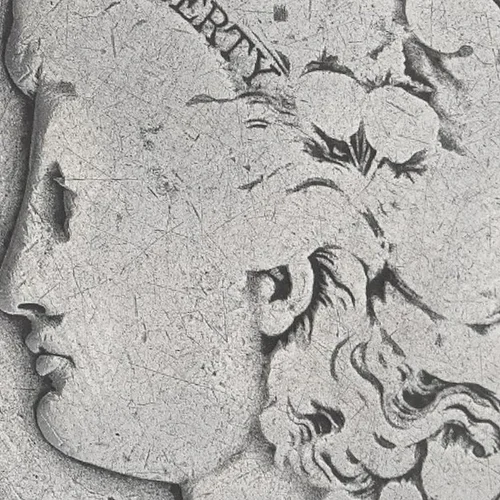 Morgan Silver Dollar 1889 O New Orleans, United States 90 Percent Silver Coin£245
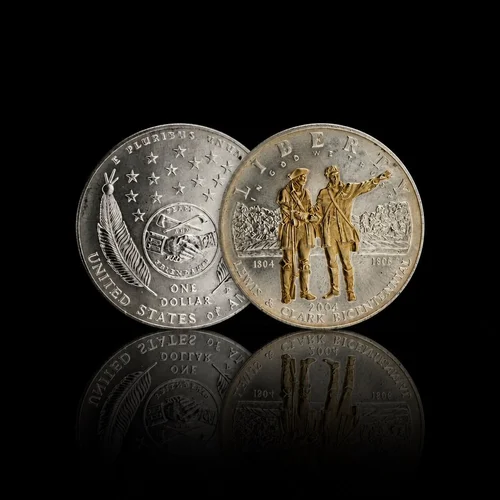
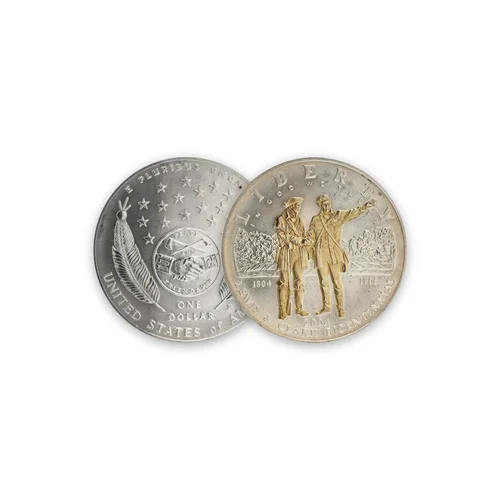 Lewis and Clark Bicentennial 2004 Gold Highlighted Silver Dollar, US Commemorative Coin£295
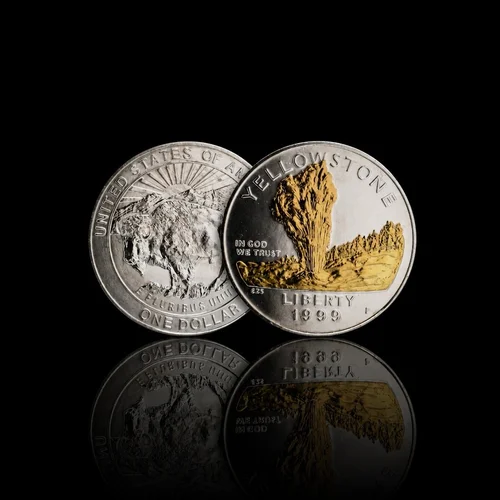
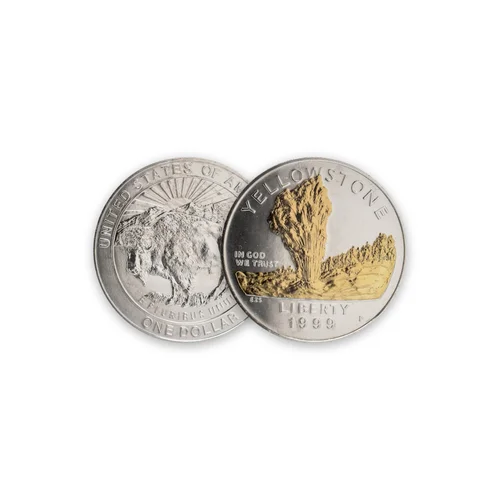 Yellowstone National Park 1999 Gold Highlighted Silver Dollar, US Commemorative Coin£295
Recently sold
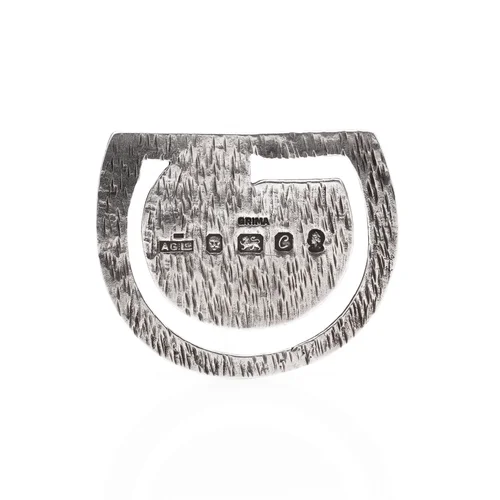 Andrew Grima vintage sterling silver money clip/book dividerSold
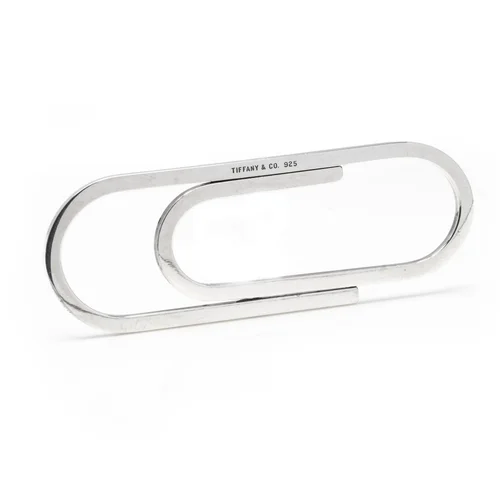 Tiffany & Co. 925 silver money clipSold
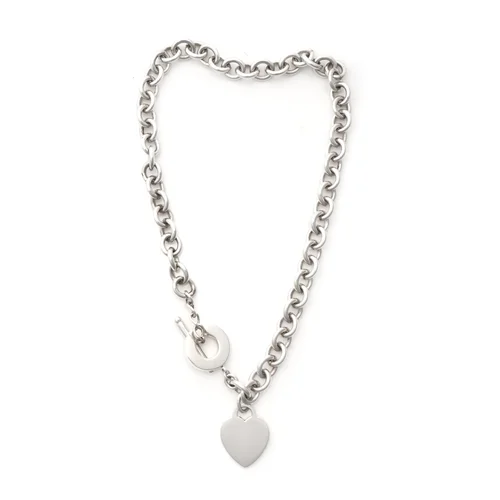 Tiffany & Co. sterling 925 silver chain necklaceSold
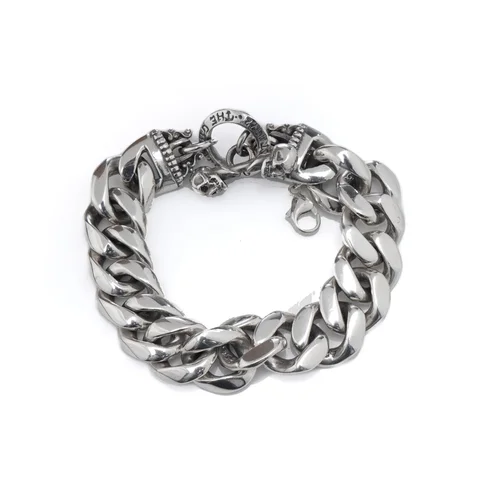 The Great Frog sterling silver 925 thick link braceletSold
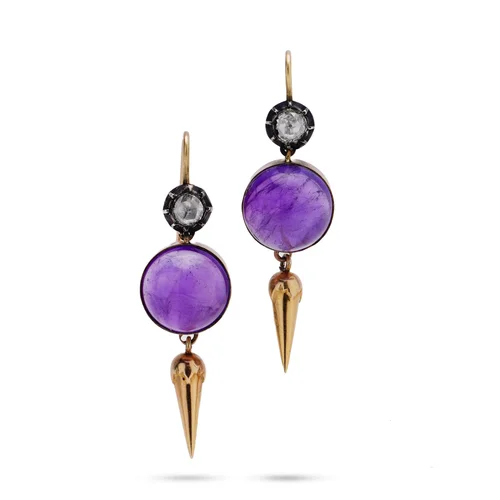 Antique Victorian 15KT gold and silver cabochon amethysts drop earringsSold
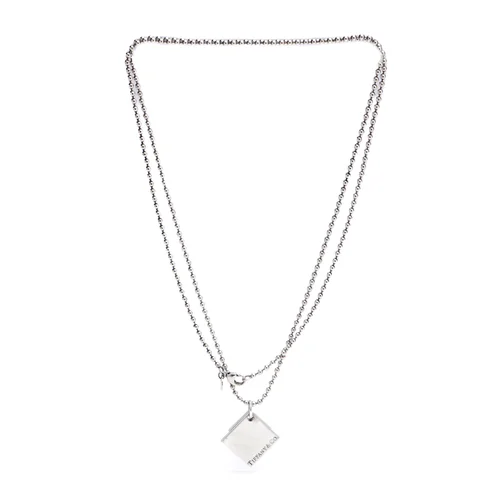 Tiffany & Co. 925 sterling silver chain necklace with two square pendantsSold
British silver coins and their standards
British coins were struck in sterling silver, 92.5% pure, until 1920. From 1920 to 1946 the standard was reduced to 50% silver, and from 1947 circulating coins were made in cupronickel with no silver at all. So a pre-1920 British crown, florin or shilling is sterling, a 1920 to 1946 coin is half silver, and later circulating coins contain none. Modern commemorative crowns were often issued in both cupronickel and sterling proof versions, so check the description.
Victorian crowns
The crown was a five shilling coin. Queen Victoria's reign produced three main portraits: the Young Head, the Jubilee Head introduced in 1887 for her Golden Jubilee, and the Old Head introduced in 1893. Many Victorian crowns show Benedetto Pistrucci's design of St George slaying the dragon on the reverse, a design still used on gold sovereigns.
American silver dollars
The Morgan dollar was struck from 1878 to 1904 and again in 1921, and the Peace dollar from 1921 to 1935, both in 90% silver. A small letter on the reverse shows the mint: O for New Orleans, D for Denver, S for San Francisco, CC for Carson City, and no letter for Philadelphia. From 1983 the US Mint has issued commemorative silver dollars, also 90% silver, many in proof finish.
Proof, uncirculated and circulated
A proof coin is struck with polished dies on a specially prepared blank, giving mirror fields and frosted designs; it was never meant for circulation. Uncirculated coins show no wear but have a normal finish. Circulated coins show wear on the highest points of the portrait and design.
Handling and storage
Hold coins by the edges, store them in their capsules or acid-free holders, and keep them away from damp and rubber, which tarnishes silver.
Commemorative crowns
From 1951 the Royal Mint issued crowns to mark national events, such as the 1953 coronation, the 1977 Silver Jubilee and the 1981 royal wedding. Circulating versions are cupronickel, while silver proof versions were sold to collectors in cases with certificates.
Questions
Can you clean silver coins?
It is best not to. Cleaning, polishing or dipping leaves fine scratches and removes the natural toning, which collectors notice at once and which permanently lowers a coin's grade. Leave toning alone and store the coin in a capsule.
Are old British coins silver?
British coins dated before 1920 are sterling silver (92.5%), and coins from 1920 to 1946 are 50% silver. Circulating coins from 1947 onwards contain no silver, although many later commemorative coins were also issued in silver proof versions.
Are silver coins pure silver?
Not always. Modern bullion coins such as the Canadian Maple Leaf are 99.99% fine. Older British coins are sterling (92.5%) or 50% silver, and American silver dollars are 90% silver. Each listing states the standard.
What is a proof coin?
A proof coin is struck with specially polished dies on a carefully prepared blank, often more than once, to give mirror-like fields and sharp, frosted details. Proofs are made for collectors and are usually sold in a capsule with a certificate.