Vintage Men's Watches
Vintage and pre-owned men's watches, from early 20th-century silver wristwatches to Omega Speedmaster chronographs, Tudor, Hamilton, Ulysse Nardin and Franck Muller. A small selection, each with the reference, movement, case size and metal, and a plain account of the dial, bracelet and service history.
5.0 by our buyers on Google · 4,000+ customers
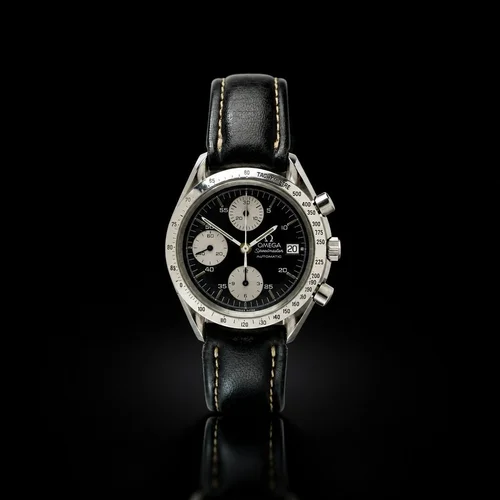
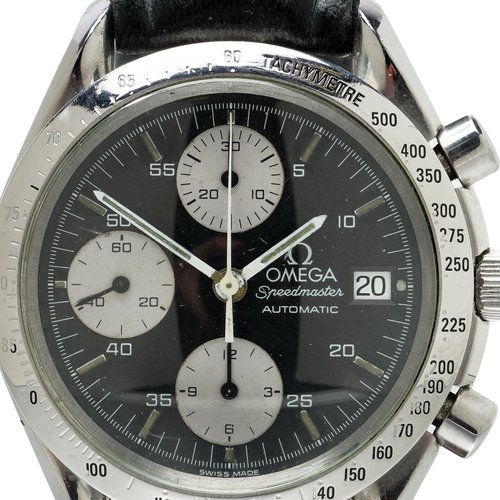 Omega Speedmaster Date Ref. 3511.50 Reverse Panda Chronograph 39mm Steel, Circa 1990s£1,950
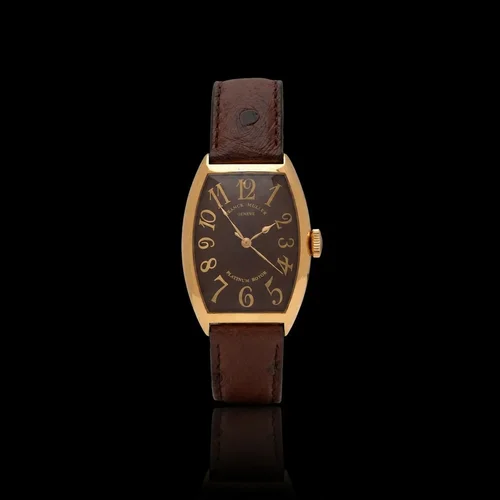
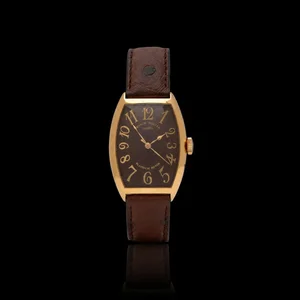
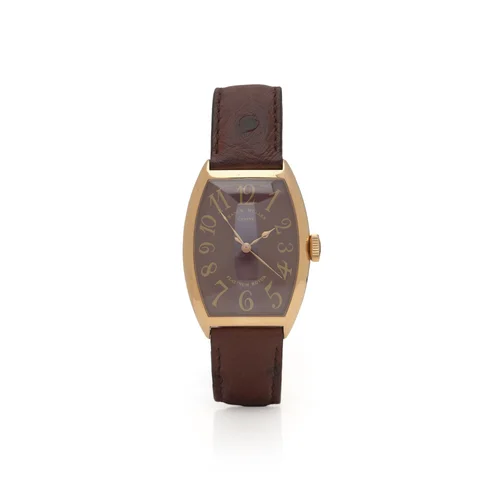 Franck Muller Cintrée Curvex Master of Complications 5850 SC 18KT Gold Automatic Watch, No. 38£9,850
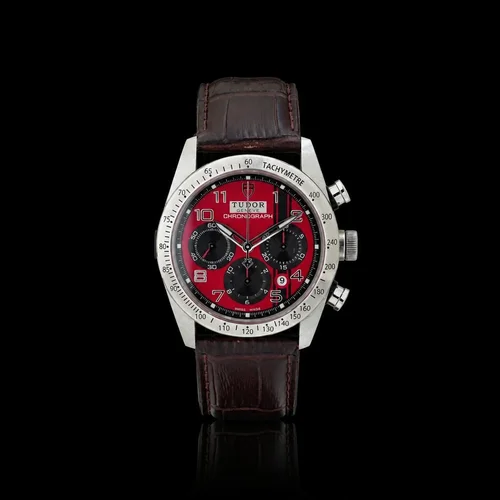
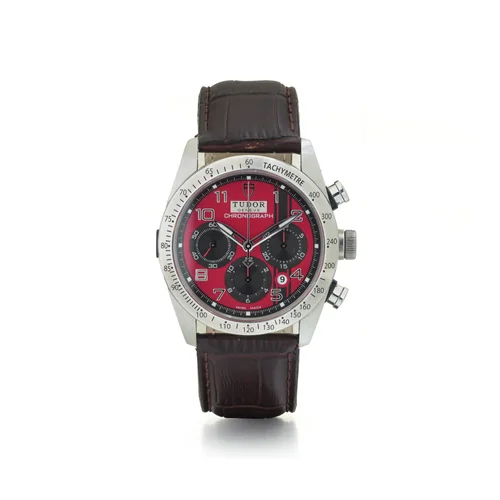 Tudor Fastrider Ducati Chronograph, Reference 42000£2,950
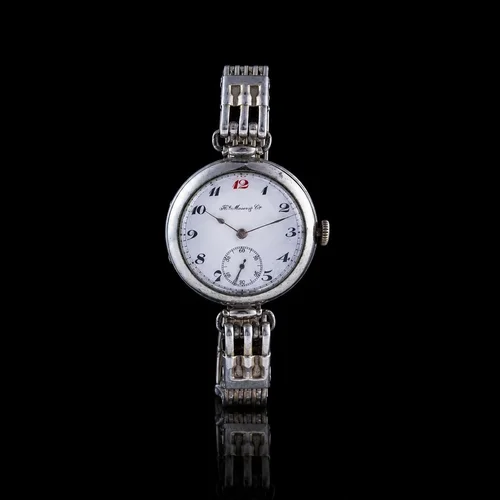
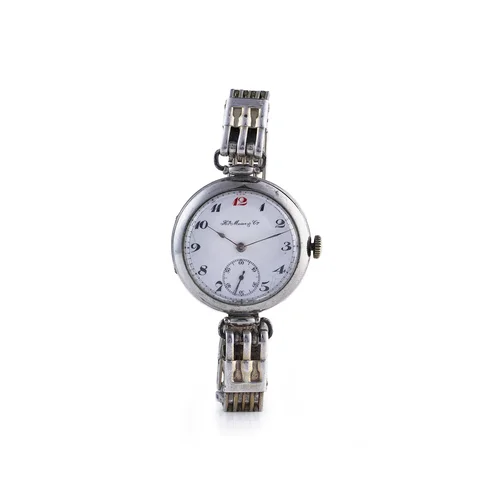 H. Moser & Cie x Alexander Fuld Russian Jubilee Silver Wristwatch (c. 1913)£1,450
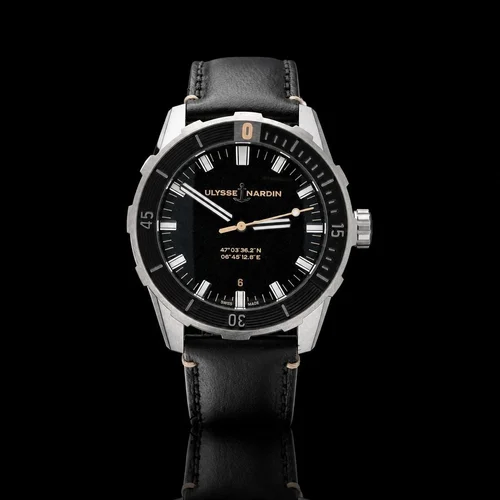
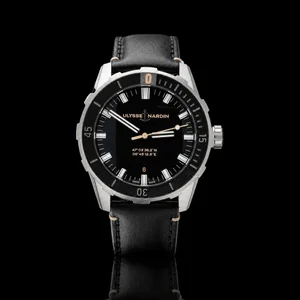
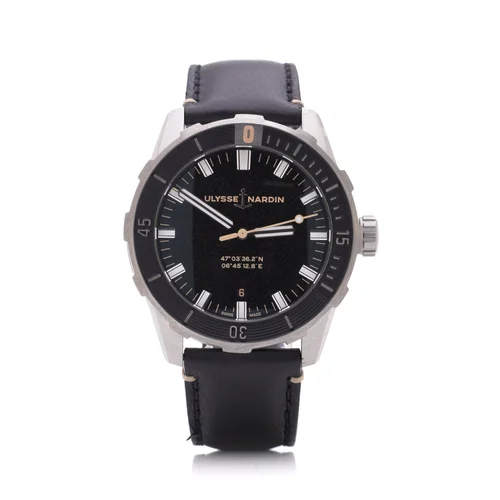 Ulysse Nardin Diver 42mm Stainless Steel Automatic Watch£3,950
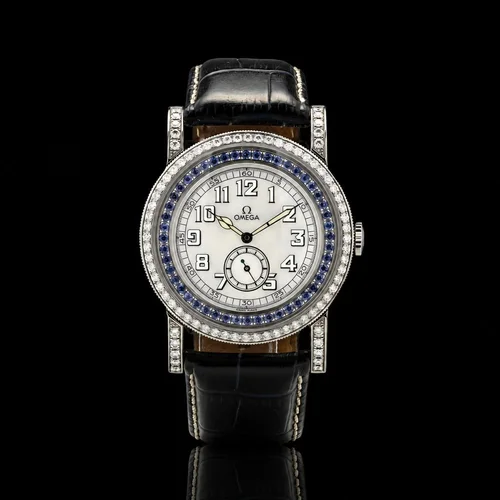
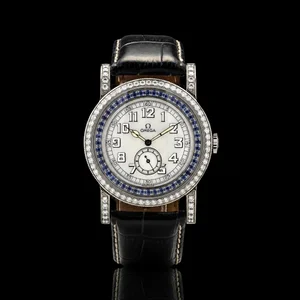
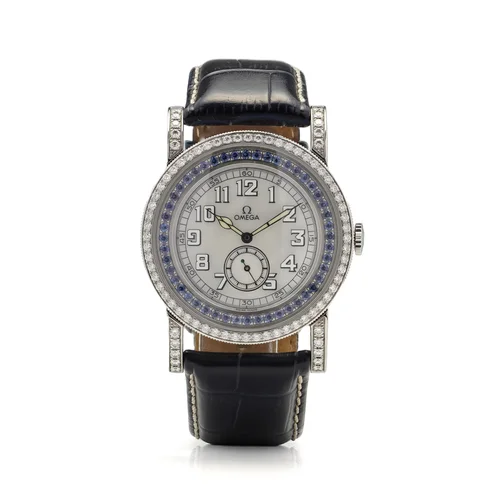 Omega Aquarella Men’s Wristwatch 5772.71.56 with Box and Papers£8,950
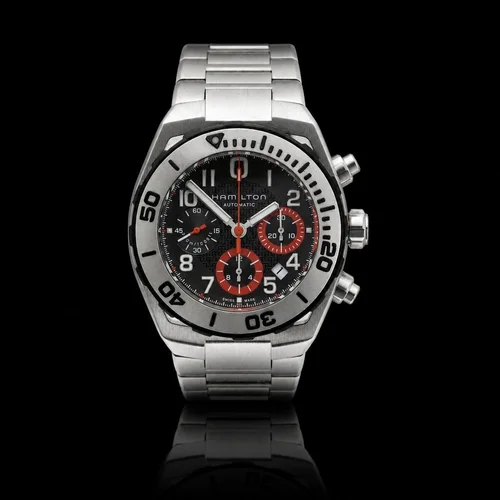
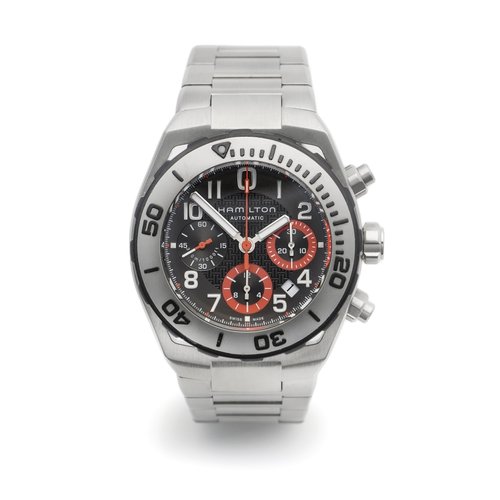 Hamilton Khaki Navy Sub Auto Chronograph Ref. Nr.H787160£1,550
Recently sold
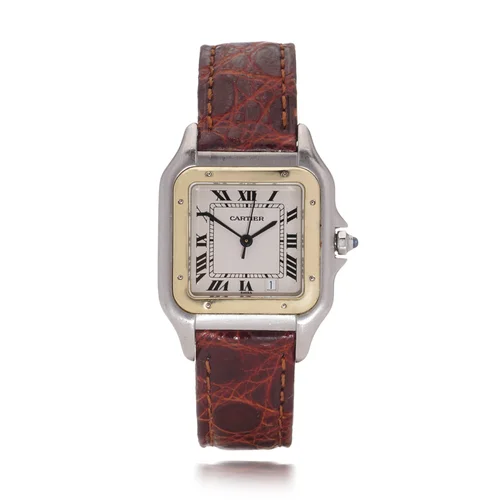 Cartier 18KT gold and steel Panthere 11002 unisex wristwatchSold
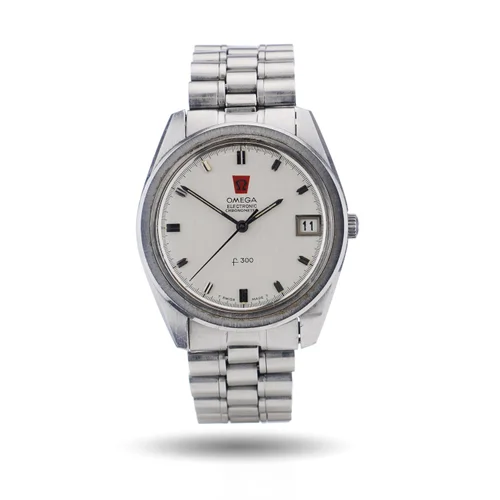 Omega Electronic Chronometer f300Sold
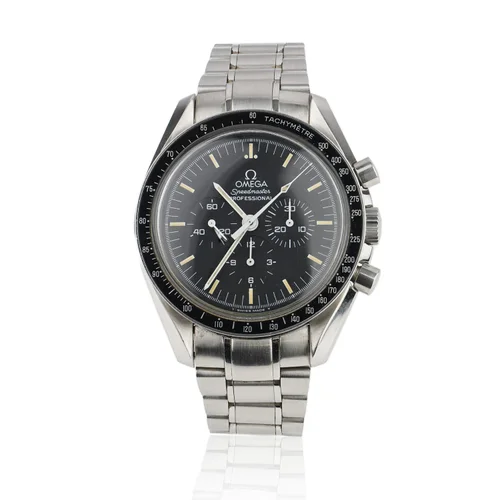 Omega Speedmaster Professional "Moonwatch" Skeleton MovementSold
Antique 14KT rose gold mini pocket watchSold
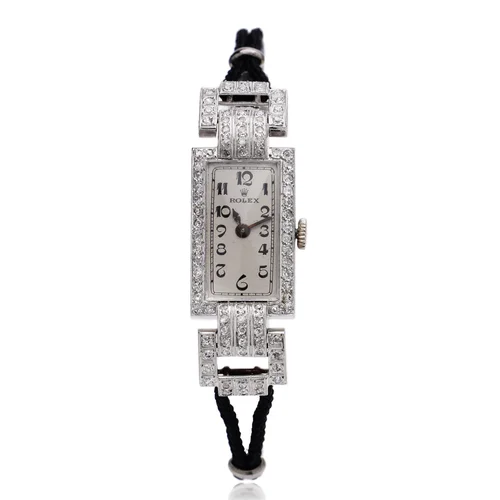 Rolex Art Deco 18KT white gold wristwatch with diamondsSold
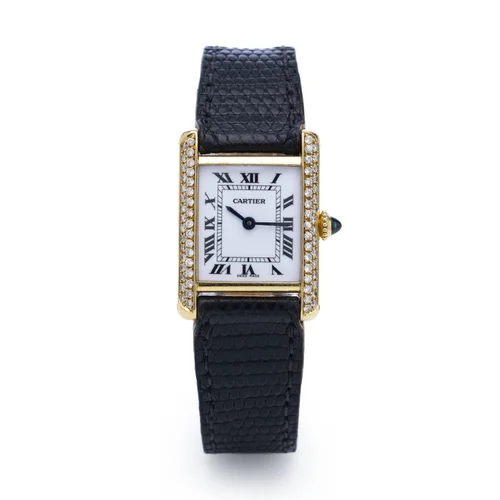 Cartier 18KT gold Tank watch, Ref. 60001Sold
From trench watch to wristwatch
Men wore pocket watches until the First World War made wristwatches practical. Early men's wristwatches, often silver with wire lugs soldered to a pocket-watch style case, are called trench watches. By the 1930s the wristwatch was standard, and the dress watch, the sports watch and the chronograph had taken shape.
Chronographs, divers and field watches
A chronograph has a stopwatch function, started and stopped by pushers beside the crown, with sub-dials to count minutes and hours. Diving watches have rotating bezels and screw-down crowns, and field watches such as Hamilton's Khaki line come from military designs. Each type has its own collector following.
Case size
Vintage men's watches are often smaller than modern ones. Dress watches of the 1950s and 1960s are commonly 33 to 36mm, while sports watches from the 1990s onwards range from 39 to 44mm. Measure a watch you already like before choosing.
Movements
Mechanical movements are either manual-winding or automatic. A manual watch needs winding each day; an automatic winds as you wear it but stops if left off the wrist for a day or two. Ask for the last service date, and expect to service a mechanical watch every few years.
What to check
Look for an original dial and hands, a crown and pushers that work smoothly, and a case that has not been over-polished. Check the bracelet for stretch between links. Box and papers add to a watch's story but the watch itself matters most.
Steel, gold and silver cases
Stainless steel became standard for sports watches and chronographs from the 1950s, and is the most practical for daily wear. Gold cases suit dress watches. Silver cases are typical of early wristwatches and trench watches of the 1910s and 1920s, and show soft wear with age.
Box and papers
An original box, guarantee and service papers add to a watch's history, but many vintage watches have lost theirs, and the watch itself is what counts.
Questions
How can you tell if a watch is vintage?
Look at the reference and serial numbers, which date the case and movement, and at the style: case size, dial printing, lume colour and crystal type. Acrylic crystals, tritium lume (marked T on the dial) and smaller cases point to watches made before the 1990s.
What is considered a vintage watch?
A watch is generally considered vintage at twenty to thirty years old, and antique at around a hundred. Collectors often treat watches made before the 1990s, when quartz and mechanical styles changed, as vintage.
How do you wear a vintage watch?
Wear it as you would any good watch, but take it off for swimming, sport and heavy work. Wind manual watches daily at the same time, and do not adjust the date on older calendar watches between about 9pm and 3am, when the date wheel is engaged.
Why buy a vintage watch?
A vintage watch offers period design, mechanical movements built by hand, and a history that a new watch cannot have. Many classic models from the 1950s to the 1990s are smaller and more understated than their modern versions.